The short answer
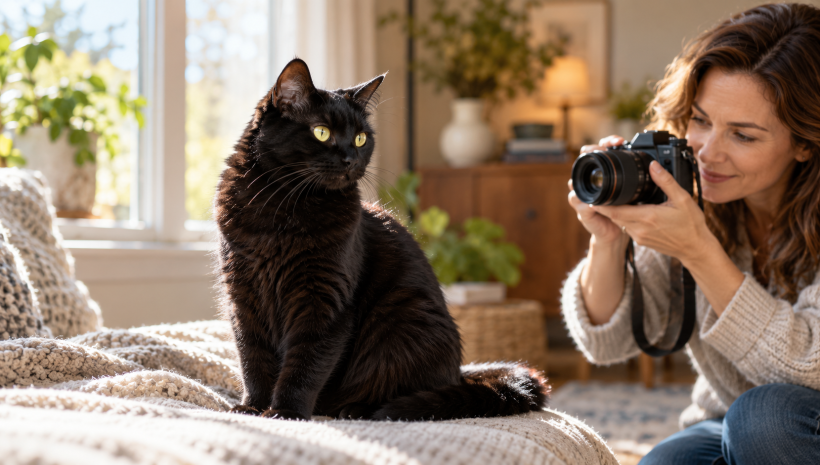
Taking photographs of a cat that genuinely reflect their appearance requires understanding both camera mechanics and feline behavior. Because domestic cats share the family Felidae and exhibit wide diversity in coat patterns, hair shape, and size Cats share family Felidae with diverse coat patterns and physical differences, a generic setting rarely captures individual nuance. The short answer is that you must prioritize natural lighting, match your camera focus to your cat’s unique markings, and shoot from eye level rather than standing above them.
However, a common caveat is that cats are independent subjects who rarely cooperate on command. Even with optimal equipment, rushing a session often results in blurred images or tense body language. Achieving an authentic portrait depends less on expensive gear and more on patience, timing, and respecting your cat’s comfort.
What is really happening
To understand why cat photography can be frustrating, it helps to examine the mechanics of both feline biology and digital cameras. Domestic cats possess highly reflective eyes containing a specialized layer called the tapetum lucidum, which enhances their night vision. When you use direct flash photography, this layer reflects light straight back into the lens, causing harsh glare or glowing eyes that obscure the natural color and depth of their gaze.
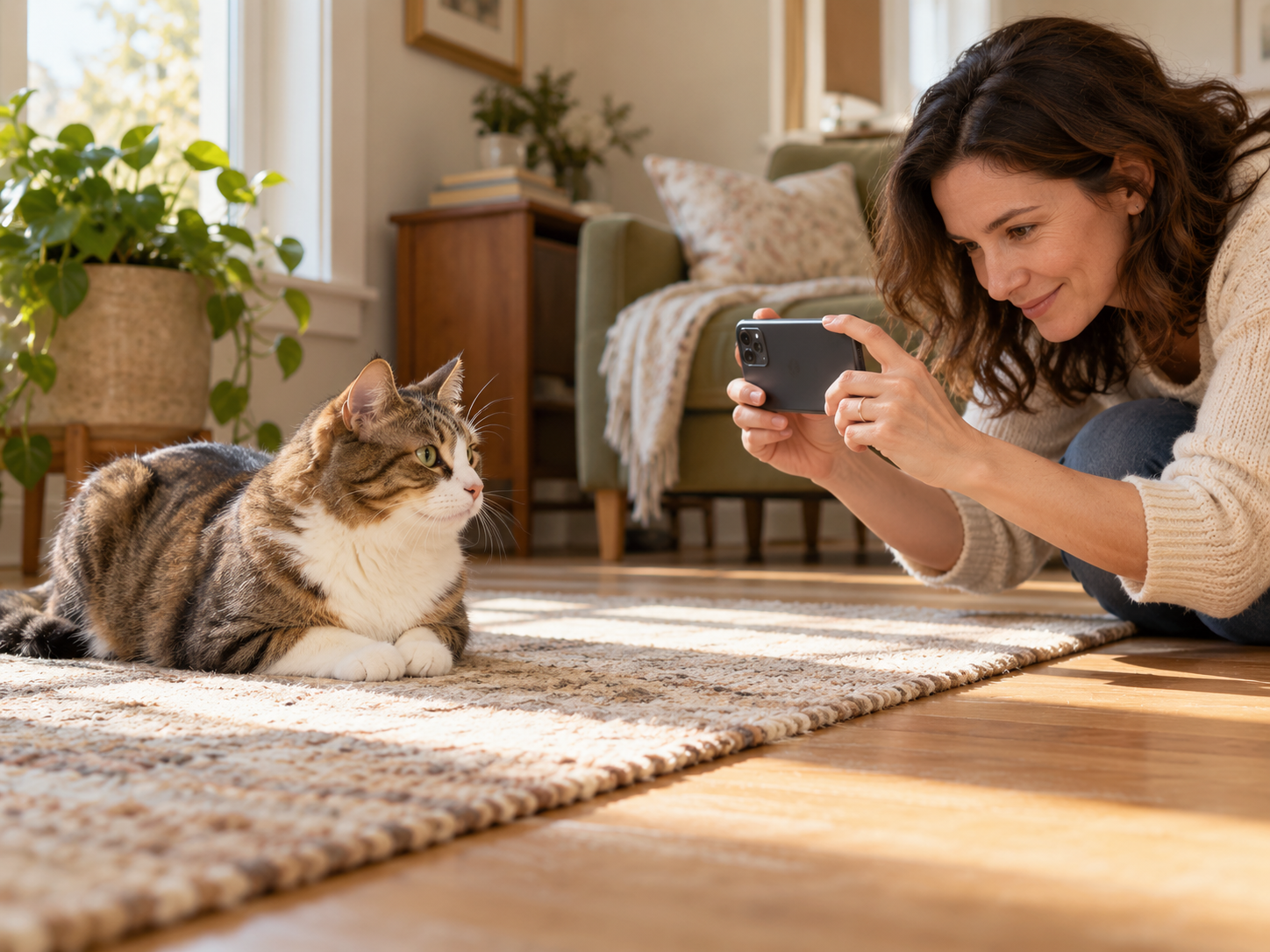
Furthermore, automated camera focus systems often lock onto the nearest high-contrast edge—frequently whiskers, ears, or nose—rather than the actual eye. Because domestic cats display distinctive coat patterns similar to big cats Domestic cats have distinctive coat patterns similar to big cats, autofocus can easily become confused by complex tabby stripes, tortoiseshell patches, or tuxedo markings, leading to soft or misfocused shots.
What changes the answer
Several specific conditions and scenarios alter how you should approach photographing your cat:
- Lighting Environment: Direct sunlight creates harsh shadows that conceal subtle fur textures, while dim indoor lighting forces high ISO settings, introducing digital noise. Overcast daylight or indirect window light provides accurate color rendering.
- Coat Color and Texture: Black, white, and multi-colored cats present completely different exposure challenges. White fur easily washes out under bright light, whereas dark fur loses definition without adequate side illumination.
- Feline Temperament: A relaxed cat allows for deliberate composition and manual focus adjustments, while an energetic or anxious cat requires fast shutter speeds and opportunistic shooting.
- Familiarity with Space: Cats photographed in preferred resting spots exhibit natural, relaxed postures compared to being placed in unfamiliar settings for a staged backdrop.
What to check before you decide
Before you begin a session with your cat, run through this practical checklist to ensure success:
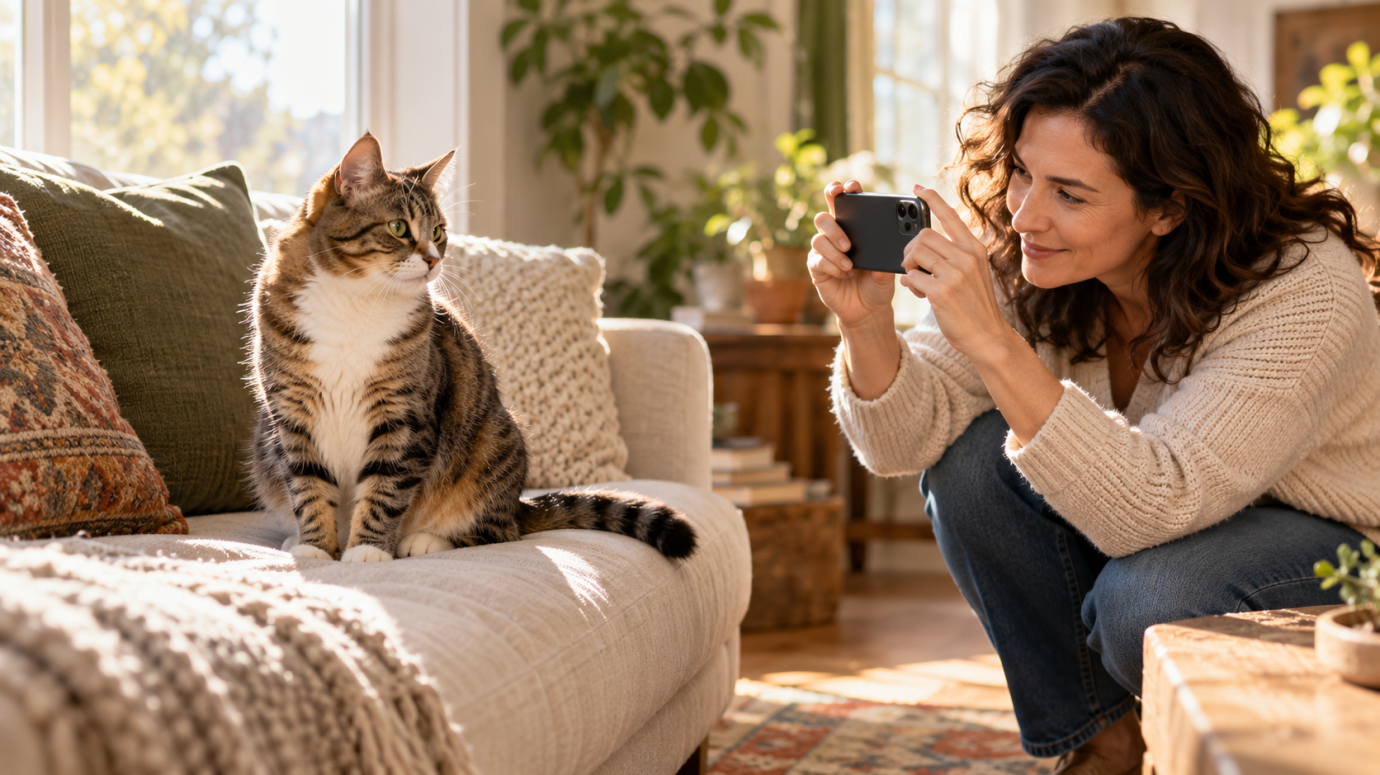
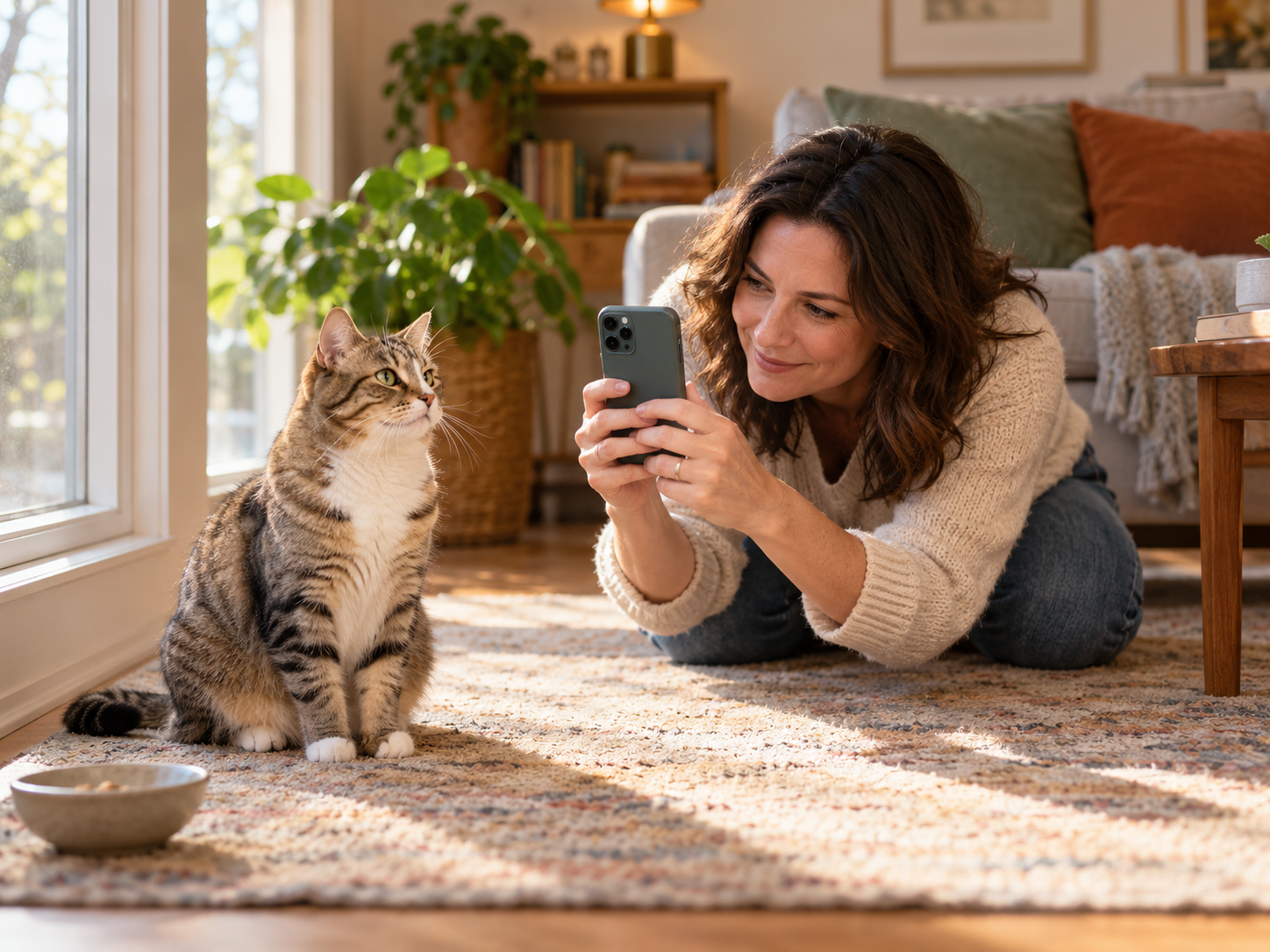
1. Turn off the flash: Eliminate all built-in or direct flashes to protect night vision and prevent unnatural eye glare. 2. Check your light source: Position your cat near a large window with indirect natural light rather than relying on overhead interior bulbs. 3. Lower your physical perspective: Kneel, sit, or lie down so your camera lens is exactly at eye level. 4. Inspect the autofocus point: Manually tap your screen or adjust your focus point to rest directly on the nearest eye. 5. Observe body language: Ensure ears face forward, whiskers are relaxed, and the tail is calm before attempting to photograph.
Common mistakes or myths
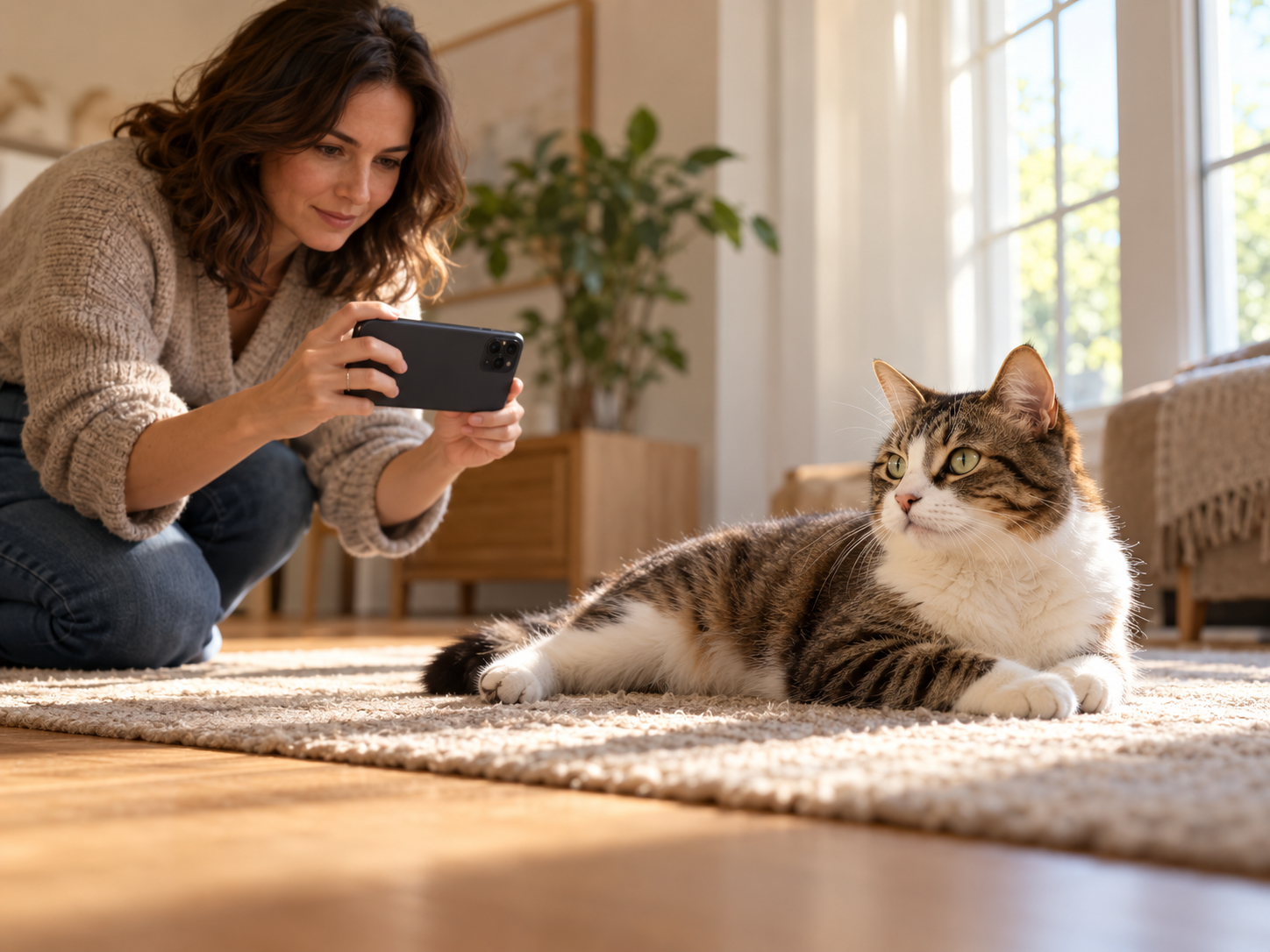
Many assume that achieving professional-looking photos requires an expensive DSLR camera and studio lighting. In reality, modern smartphone cameras equipped with portrait mode and manual exposure sliders are often superior because they operate silently and do not intimidate the animal with bulky equipment.
Another frequent myth is that you should make loud noises or use squeakers to grab attention. While this may cause the cat to look toward the camera momentarily, it frequently triggers a startled or defensive expression—dilated pupils, flattened ears, and tense muscles—that contradicts how your cat actually looks in everyday life. Patience and quiet observation yield much more authentic results than sudden interruptions.
Understanding feline physical diversity
To capture an authentic likeness, you must first recognize that domestic cats vary dramatically in physical structure. Because Cats share family Felidae with diverse coat patterns and physical differences, your approach cannot rely on a single set of camera parameters. A fluffy Maine Coon requires a different focus strategy than a sleek Siamese. When photographing long-haired breeds, individual guard hairs can catch light independently, scattering autofocus algorithms. By understanding these structural nuances, you can adjust your shooting angle to highlight coat texture rather than flattening it with harsh overhead lighting.
Navigating lighting transitions throughout the day
Light changes constantly in a domestic environment, directly impacting color temperature and shadow density. Direct midday sun creates stark, high-contrast lines that exaggerate every flaw and conceal gentle fur gradients. Conversely, indoor incandescent bulbs cast a warm, yellowish hue that distorts true coat colors, making a silver tabby look bronze or a warm ginger cat look muddy. Moving your subject to a shaded porch or an unobstructed, north-facing window introduces soft, directional illumination that preserves true color rendering and soft shadow transitions.
Managing camera settings for erratic movement
Because cats transition from deep sleep to explosive movement in fractions of a second, relying on default camera settings often leads to motion blur. When shooting indoors or in indirect light, ensure your shutter speed is elevated—typically 1/250th of a second or faster—even if it requires bumping up your ISO slightly on a smartphone or digital camera. Modern sensors handle minor noise far better than they recover from a blurred whisker or an out-of-focus eye. Keeping your aperture wide enough to separate the cat from a cluttered background also ensures that attention remains fixed on their unique facial features.
Working with natural behavior and environment
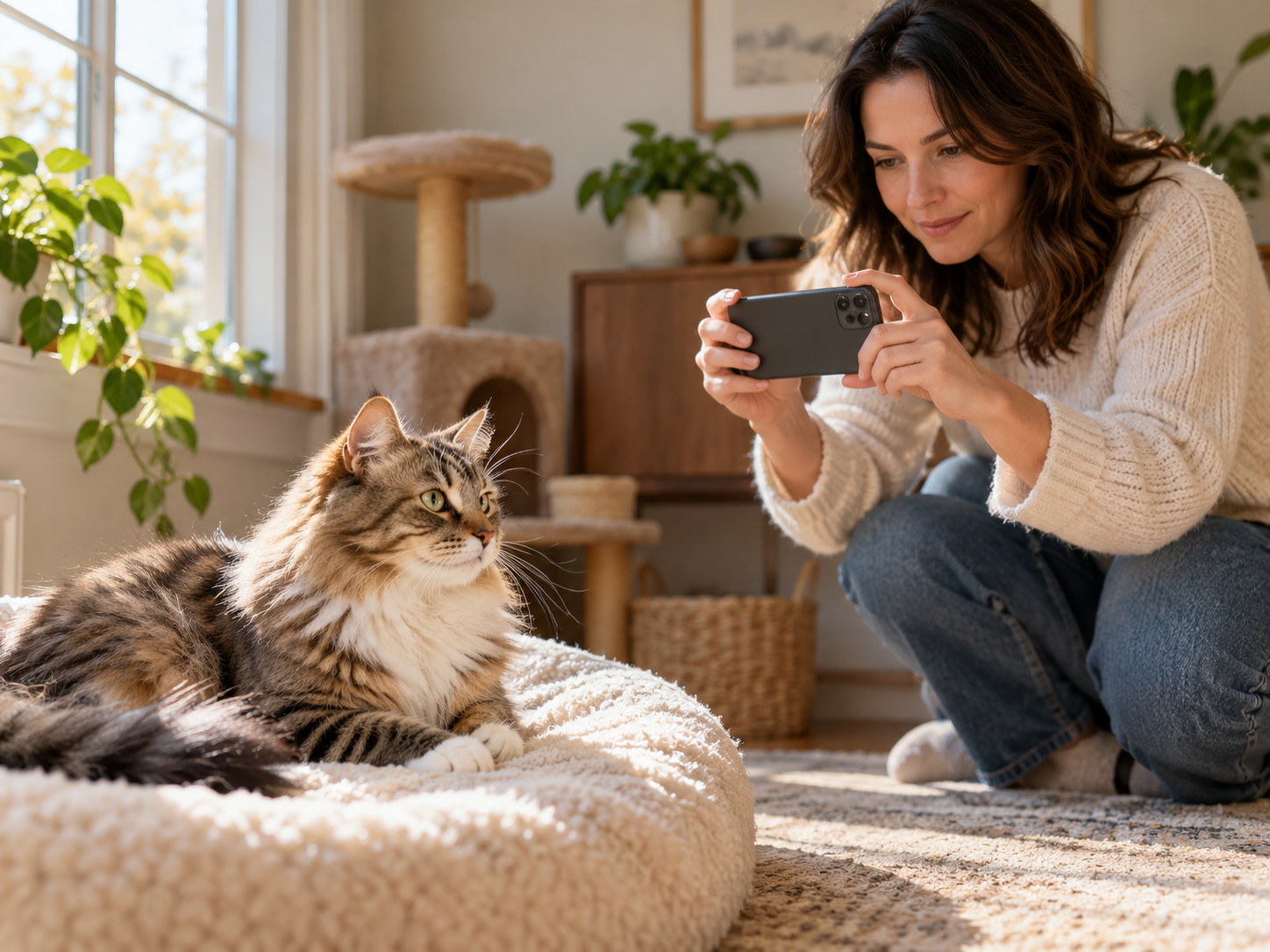
Forcing a cat into a staged studio setup or dressing them in props invariably triggers defensive posture, resulting in pinned ears, hunched shoulders, and dilated pupils that look nothing like your pet’s everyday demeanor. True likeness is rooted in comfort. Observe your cat’s natural daily routines—where they sunbathe in the morning, how they curl up on a favorite armchair, or how they stretch after a nap. Capturing them in these familiar zones eliminates tension and allows their genuine personality to emerge naturally through the lens.
The role of silent observation
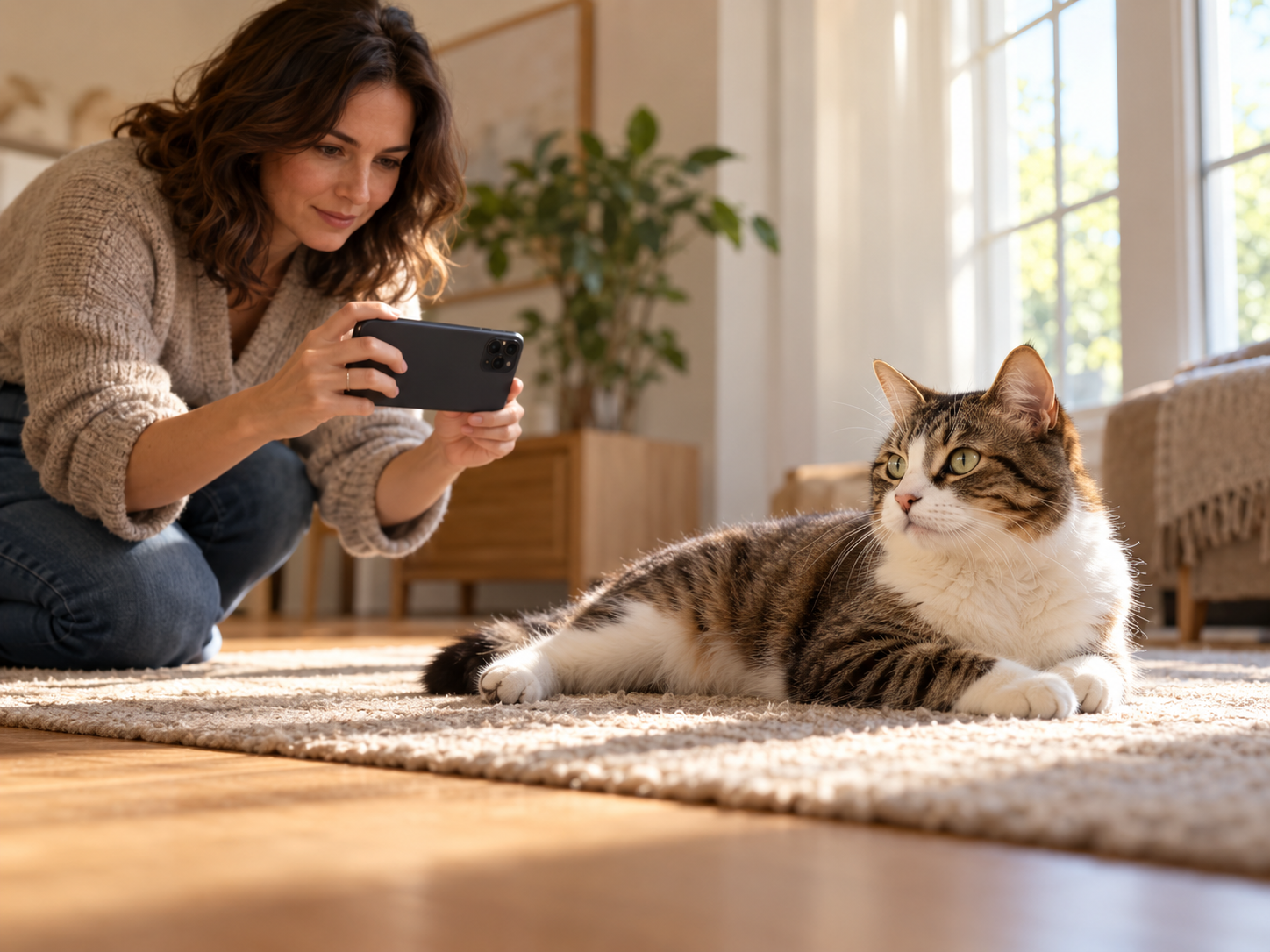
The most successful cat photographers operate with minimal intrusion. Loud vocalizations, sudden movements, and intrusive flash units signal danger rather than play to a feline. By sitting quietly on the floor at their eye level and allowing the cat to come to you or remain undisturbed in their environment, you eliminate the startled expressions common in amateur snapshots. Patience, combined with a silent shutter mechanism, transforms a stressful photo session into a calm, natural documentation of your cat’s true appearance and spirit.