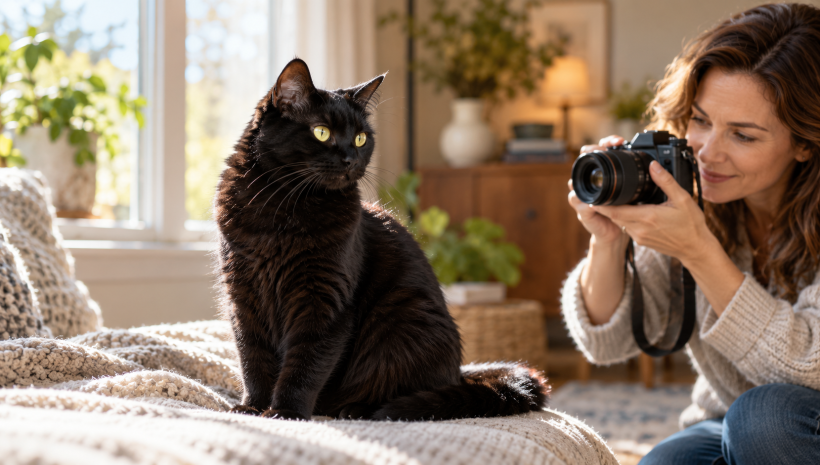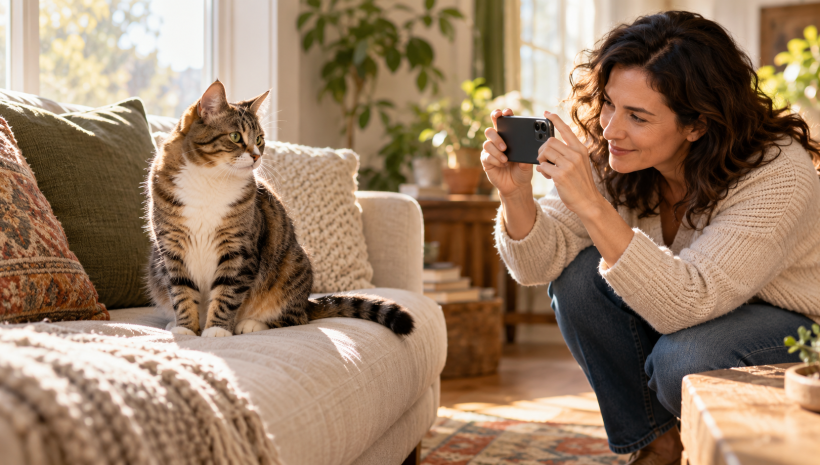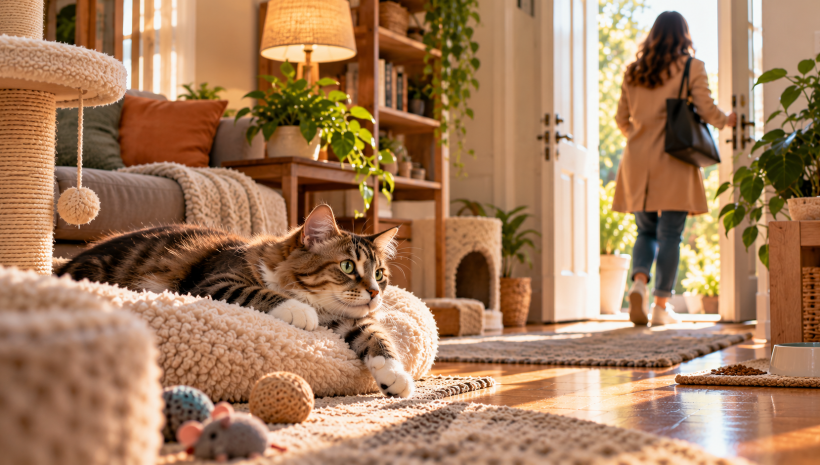
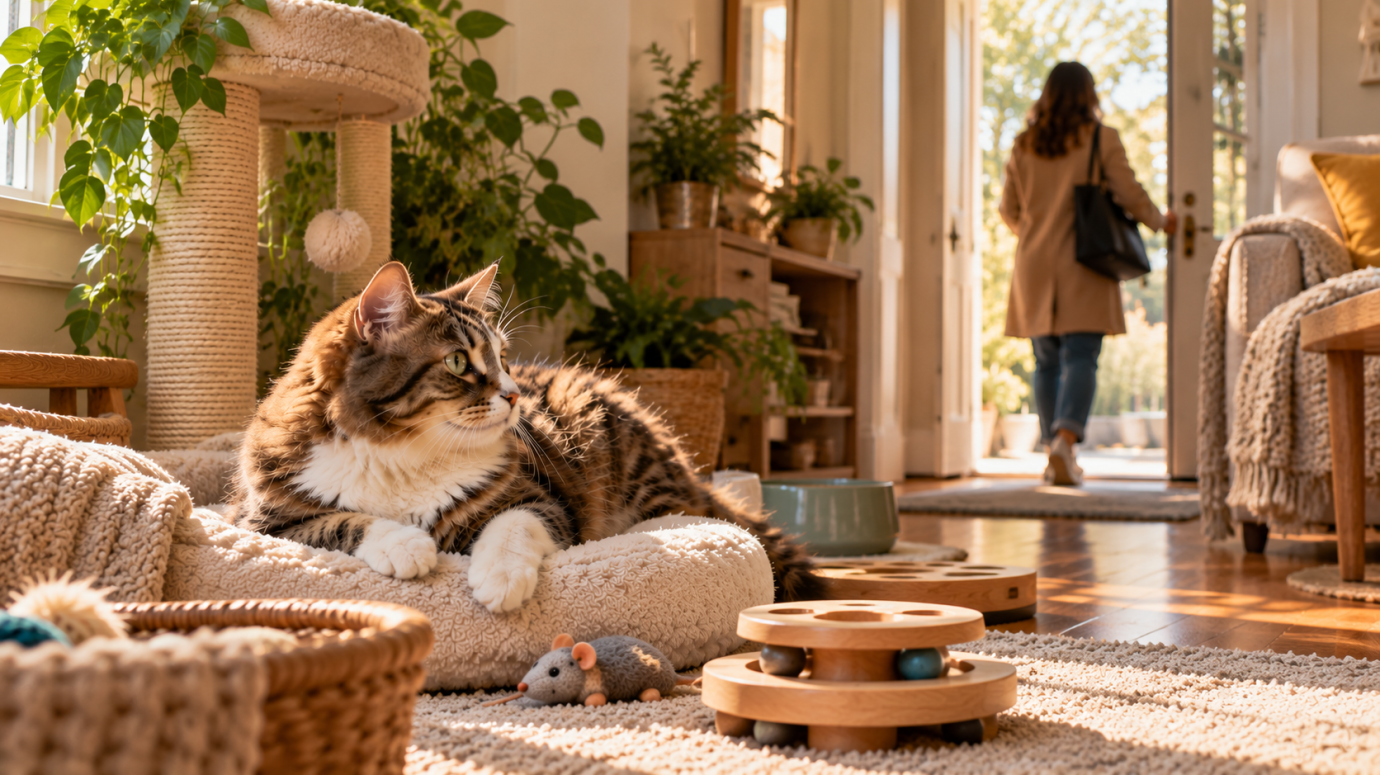
Cats are creatures of habit who can experience stress and behavioral changes during moves, seasonal shifts, and schedule disruptions Source Source. When life shifts around them—whether through relocating to a new house, adapting to the darker winter months, or navigating a sudden change in work hours—feline companions often show subtle or overt signs of distress. Understanding how cats process these transitions allows you to provide grounded, meaningful support that respects your cat’s individual personality, ensuring they feel secure amidst changing environments.
Understanding Feline Sensitivity to Routine Changes
Felines rely heavily on environmental predictability. Their sense of territory and routine provides a baseline of emotional security, and when that predictability breaks down, cats may feel vulnerable. Moving can be a life-altering change causing stress for cats Source. Similarly, schedule disruptions and owner absences cause stress and behavioral changes in cats Source. Because cats view their territory as an extension of themselves, altering their physical surroundings or the timing of daily interactions disrupts their fundamental sense of safety. Their territorial map is deeply tied to familiar scents, spatial layouts, and established human rhythms, making any deviation an event requiring careful emotional navigation.
Every cat responds differently based on temperament, past experiences, and age. While one cat might shrug off minor furniture rearrangement or a brief adjustment in lighting, another may react intensely to a shifted feeding schedule or a new room layout. Recognizing that cats are individual animals helps you avoid misplaced assumptions about how fast an animal should adapt. Respecting their unique pacing prevents compounding transitional anxiety with misplaced pressure or rushed introductions to unfamiliar spaces.
Recognizing Stress Signals During Transitions
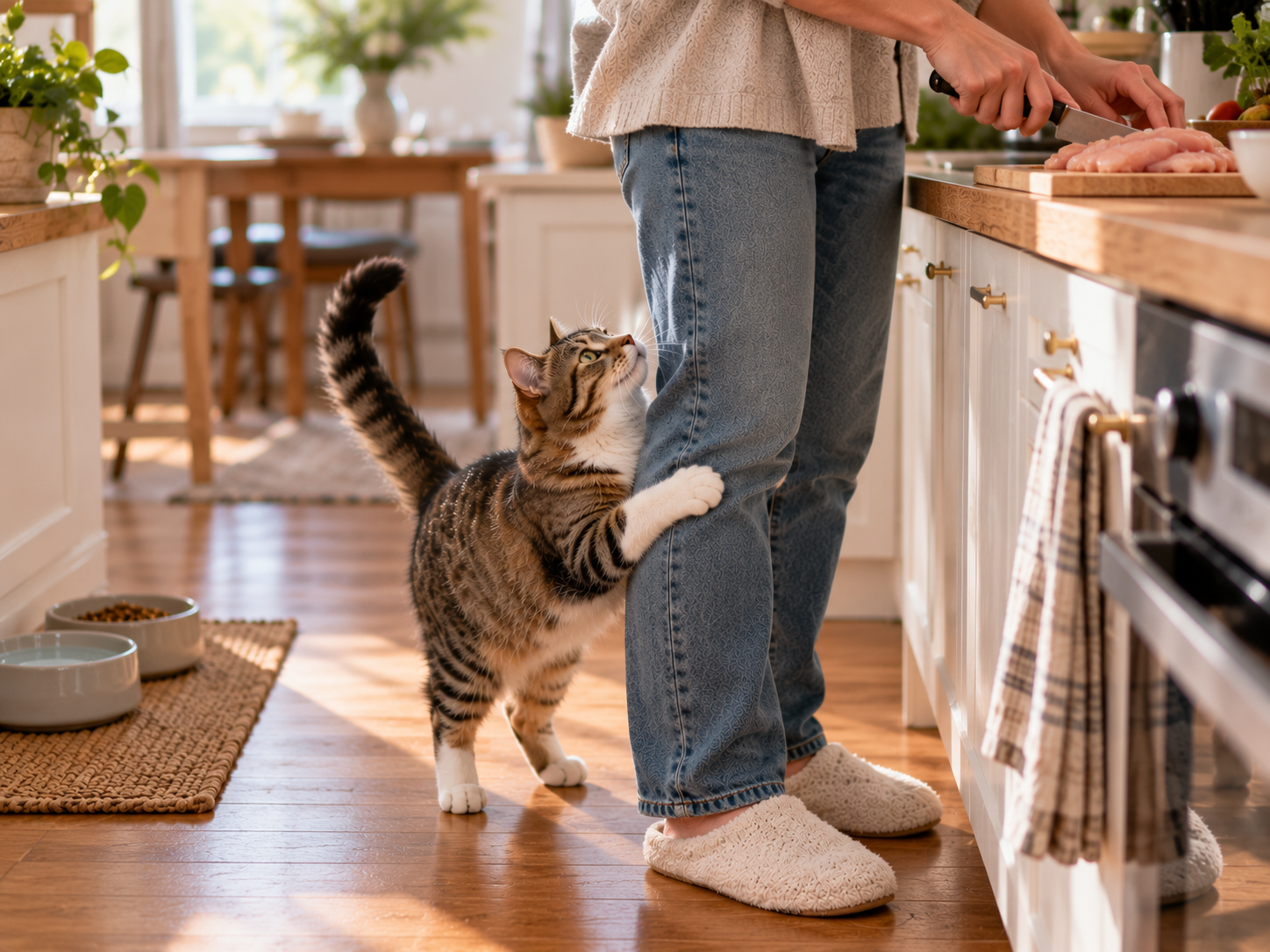
Cats can exhibit stress in many ways during transitions Source. Because felines tend to mask vulnerability as a survival mechanism, stress does not always look like overt panic or vocal distress. Instead, it often manifests as subtle shifts in daily habits that require close observation from attentive owners.
Common behavioral indicators include:
- Vocalization: Excessive meowling, yowling, or unusual nighttime vocalizations that communicate unease or disorientation.
- Hiding: Spending extended periods under beds, inside closets, or retreating to unfamiliar, isolated corners where they feel hidden from perceived threats.
- Pacing and Restlessness: Moving repetitively through rooms, scratching at doors, or displaying hyper-vigilance toward ordinary household noises.
- Litter Box Changes: Eliminating outside the box or displaying sudden hesitation, avoidance, or stress around bathroom routines.
- Appetite Shifts: Eating less food, refusing meals altogether, or, conversely, guarding food bowls anxiously out of resource insecurity.
If these behaviors persist or if physical health seems compromised, consulting a veterinarian is essential to rule out underlying medical issues before attributing all changes solely to environmental stress. Physical examinations help ensure that what appears to be behavioral anxiety is not actually an undiagnosed medical condition requiring direct clinical treatment.

Practical Strategies for Moving and New Environments
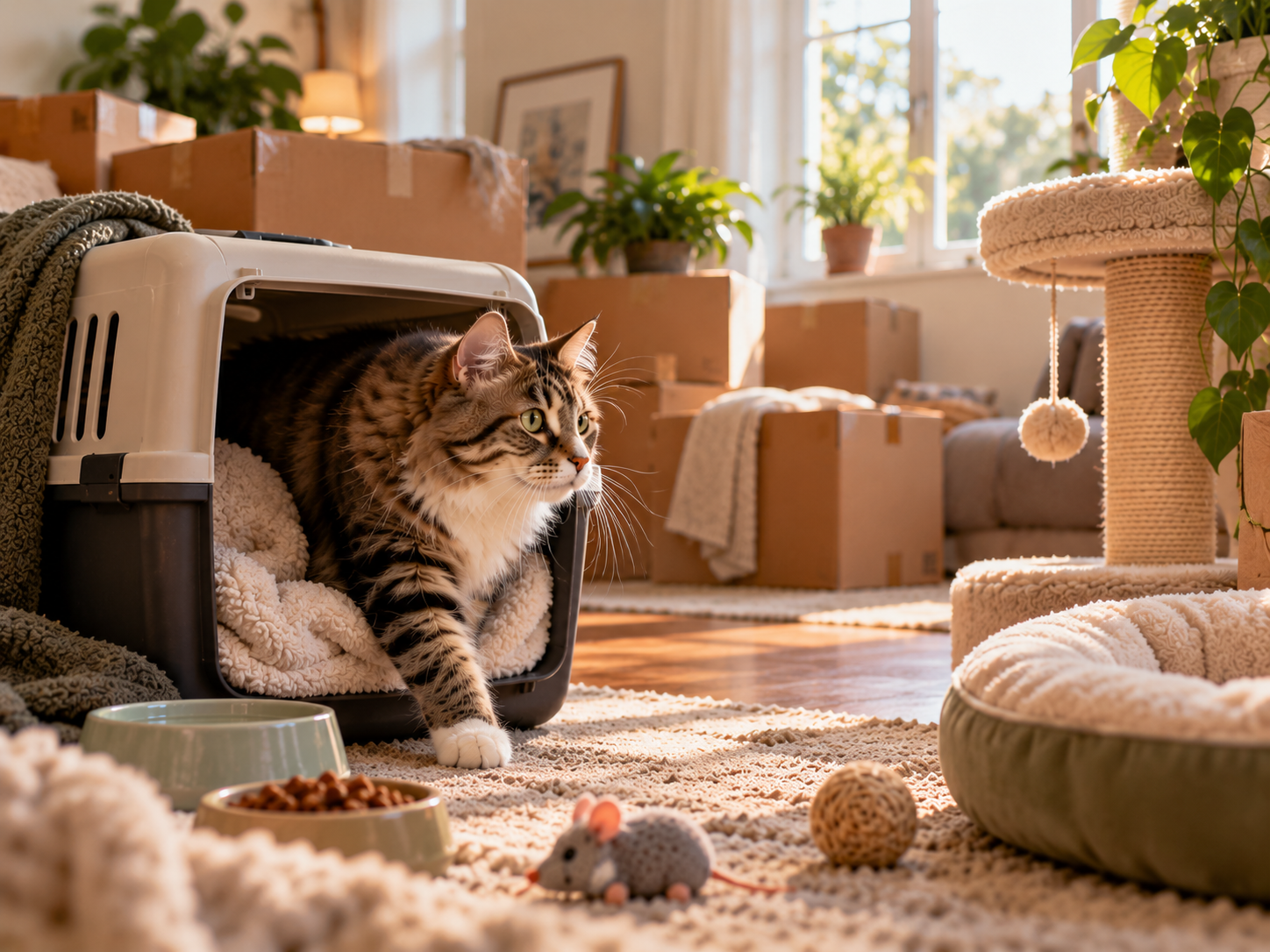
Relocating requires deliberate pacing to prevent sensory overload. When introducing a cat to a new home, establish a dedicated safe room before unpacking the rest of the house. Place their familiar bedding, food bowls, water stations, and litter boxes inside this enclosed space to create an immediate anchor of familiarity.
Scent enrichment plays a vital role in helping felines claim a new space. Cats deposit facial pheromones by rubbing their cheeks against surfaces, marking their territory with chemical signals of safety. Allowing them time to explore the safe room undisturbed lets them build a familiar scent profile without overwhelming sensory inputs from the broader house. Once they show confidence within that single room—exhibiting relaxed body posture, normal eating habits, and exploratory interest—gradually open access to adjacent areas of the home over several days or weeks.
Keep moving boxes and major furniture arrangements stable where possible within the safe room during the initial days. Maintaining consistent feeding times and interactive play sessions anchors their daily routine amidst the chaos of boxes and unpacking, reassuring them that their core caregiver and predictable resources remain dependable.
Managing Seasonal Shifts and Schedule Disruptions
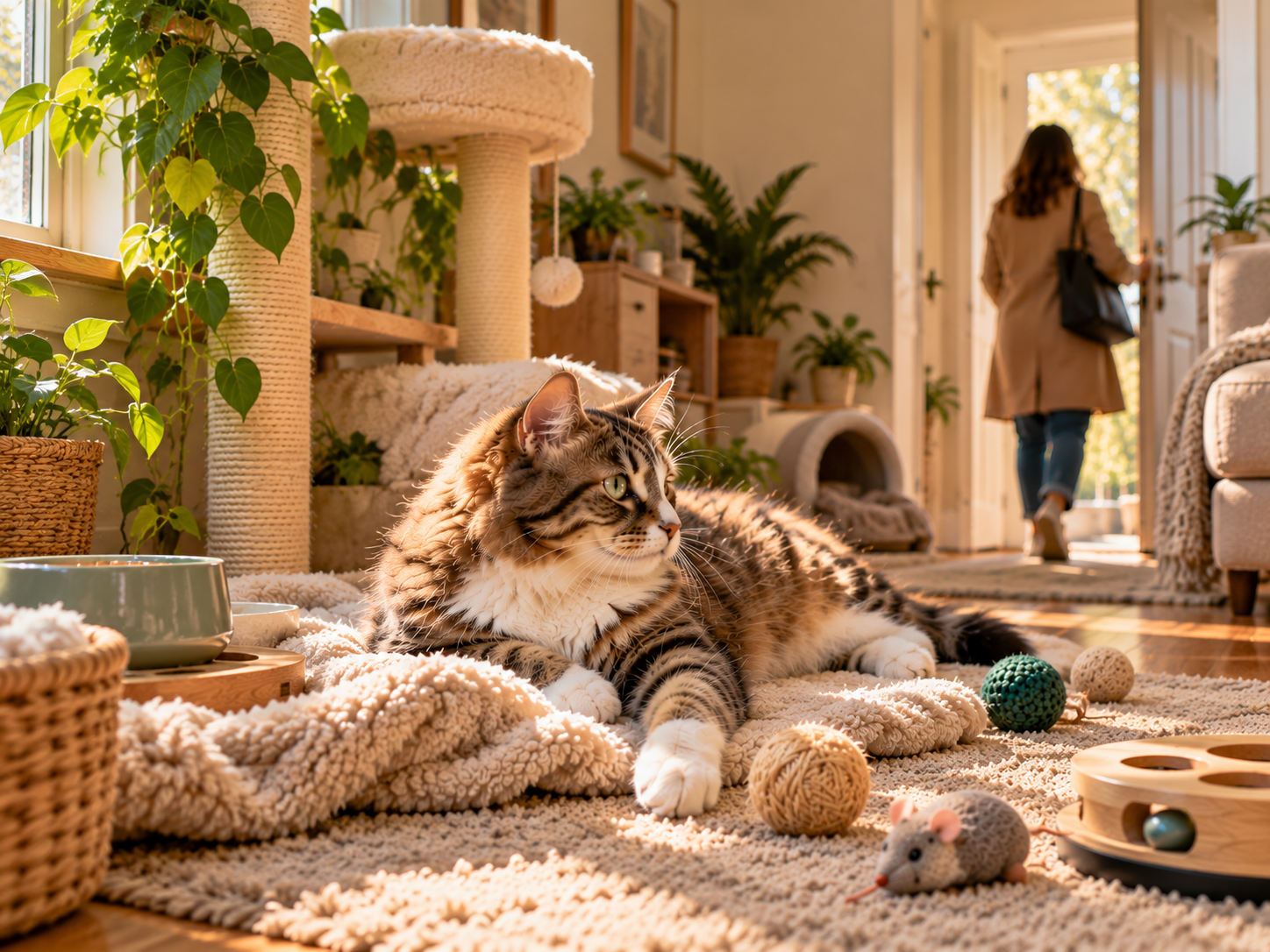
Schedule disruptions and owner absences require proactive management. When human routines shift due to new work hours, travel, or seasonal time changes, cats notice the altered rhythm of light, sound, and activity. Even subtle environmental changes, such as earlier sunsets or altered heating schedules, can influence their daily energy cycles and resting patterns.
To mitigate the impact of changing schedules:
- Anchor Feeding Times: Feed your cat at the exact same times daily, even if your own waking or sleeping schedule fluctuates due to work or seasonal shifts.
- Maintain Play Rituals: Dedicate consistent blocks of time for interactive play, such as feather wand sessions, to burn off nervous energy and maintain normal predatory routines.
- Create Vertical Spaces: Ensure shelves, window perches, or cat trees are available so cats can observe their environment from a secure vantage point, expanding their perceived territory vertically when horizontal floor space is disrupted.
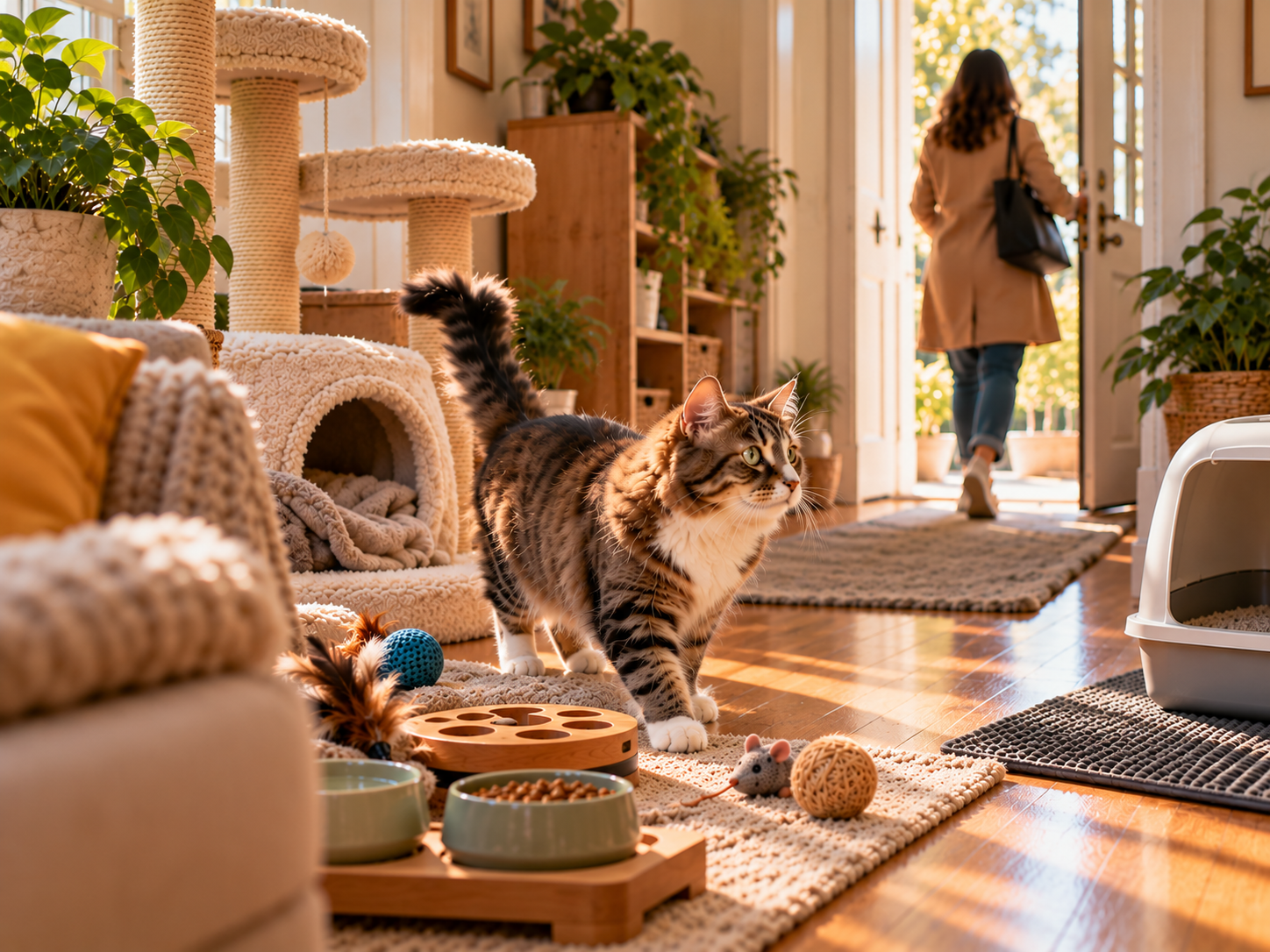
If you must travel or experience prolonged absences, provide familiar scents by leaving a recently worn piece of clothing nearby, and consider engaging a trusted pet sitter who can maintain consistent daily interaction, feeding schedules, and play routines in your absence.
Frequently Asked Questions
What are common signs that my cat is stressed by a move or schedule change?
Cats often show stress through excessive vocalization, prolonged hiding, pacing, changes in litter box habits, and shifts in appetite or grooming routines. Because felines mask vulnerability, these subtle indicators are crucial for detecting underlying anxiety during environmental transitions.
How can I create a safe retreat for my cat in a new home?
Set up a quiet, single room with familiar bedding, food, water, and litter boxes. Keep the door closed initially so the cat can acclimate to one room before exploring the entire house, allowing them to establish a scent-secure basecamp.
Why do seasonal shifts and owner absences affect feline behavior?
Cats rely heavily on predictable daily routines and environmental cues. Changes in daylight hours, temperature, and when humans are present disrupt their sense of territory and timing, triggering anxiety when their established rhythms are altered.