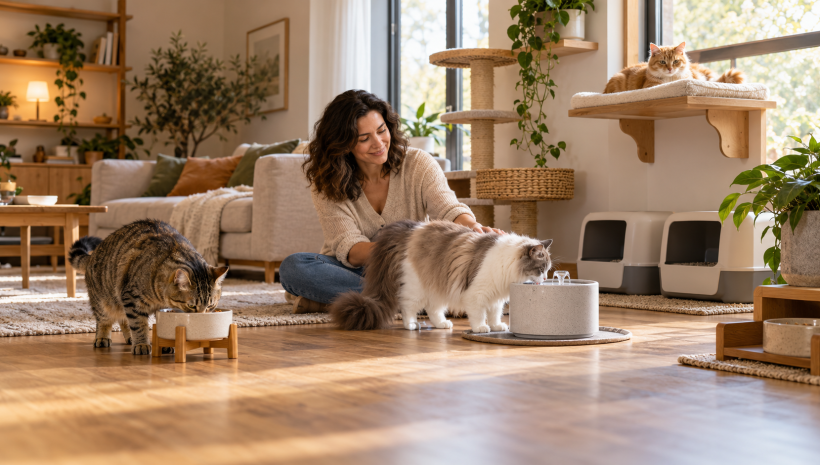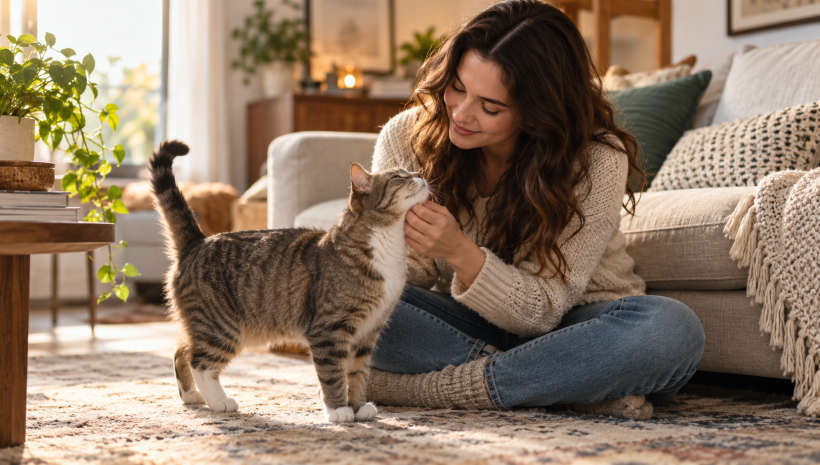
Felines have complex social systems that are often a mystery to humans Introducing Cats to Each Other. When two or more cats share a living space, owners frequently wonder whether their pets genuinely enjoy each other’s company, merely tolerate one another out of convenience, or harbor chronic stress. Understanding this feline social spectrum is essential for creating a home where every animal feels secure, relaxed, and confident in their environment.
Understanding the Feline Social Spectrum: Friends, Toleration, or Stress
Unlike dogs, which evolved as pack animals with explicit hierarchical structures, domestic cats descend from solitary hunters. While domestication has encouraged them to form social groups, their relationships do not fall into a simple binary of friendly versus hostile. Instead, cat relationships exist on a broad spectrum ranging from close, affectionate bonds and neutral spatial sharing to tense coexistence and outright distress.
Bringing a new cat into a home with an existing cat requires patience and proper introduction to ensure acceptance Introducing Cats to Each Other. Without a gradual process, cats may skip neutral toleration entirely and move straight into defensive behaviors. Observing how cats navigate shared spaces provides the clearest window into where their relationship sits on this spectrum. Recognizing these foundational categories helps owners interpret daily interactions accurately without projecting human social expectations onto their pets.
Recognizing Affectionate Bonds and Mutual Tolerance
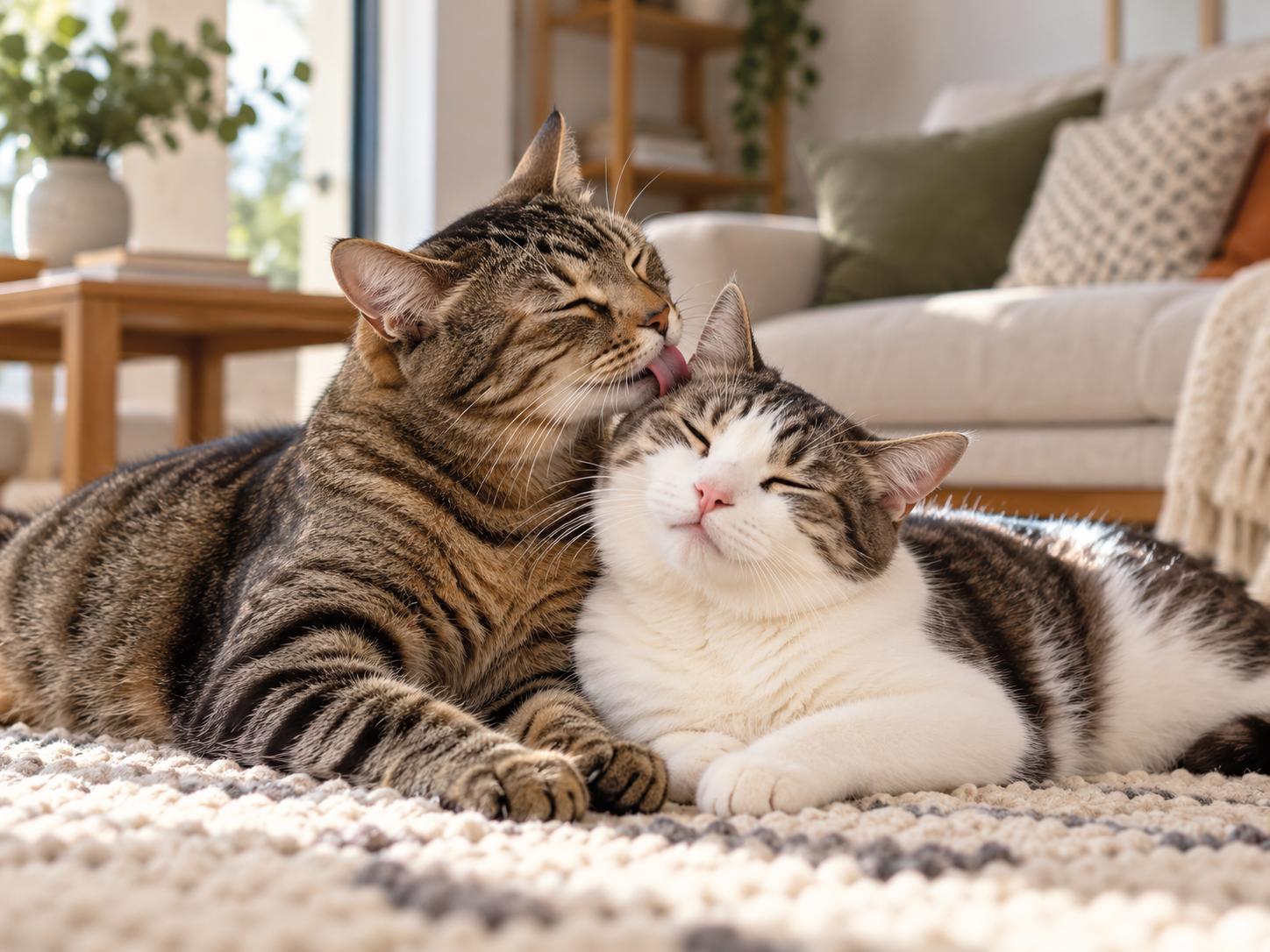
True feline friends demonstrate clear signs of mutual affection and trust. You may notice them sleeping in direct physical contact, engaging in mutual grooming around the head and neck, or rubbing against each other when passing in a hallway. These behaviors release comforting pheromones and reinforce their social bond. They also share resources readily, eating near each other or resting on the same elevated perch without hesitation.
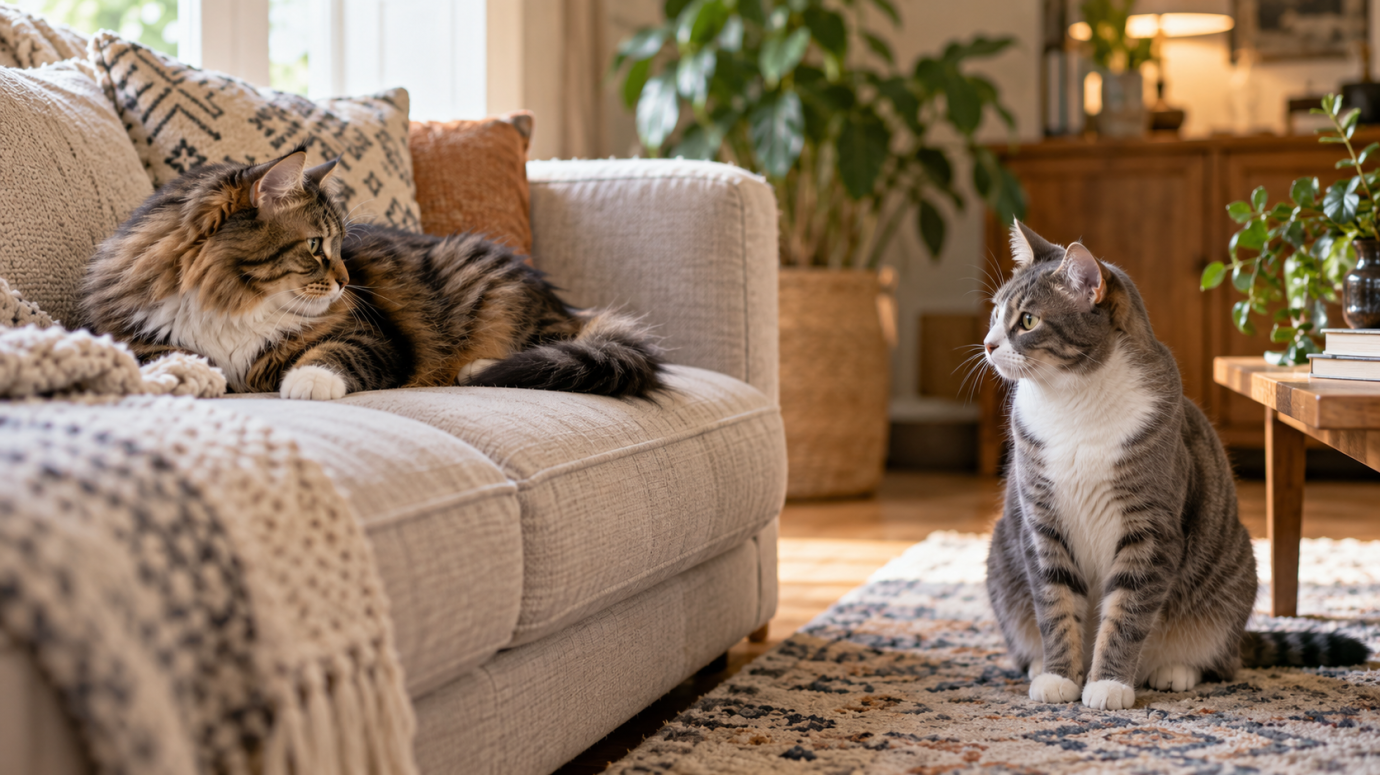
On the other hand, many multi-cat households settle into peaceful coexistence rather than deep friendship. These cats may not groom one another or sleep intertwined, but they respect each other’s personal space. They can walk past one another in a narrow corridor without freezing, staring, or hissing. Neutral spatial sharing means they tolerate each other’s presence in the same room, accepting that the territory is large enough for both. This low-key tolerance is a successful, highly functional outcome for many domestic cats.
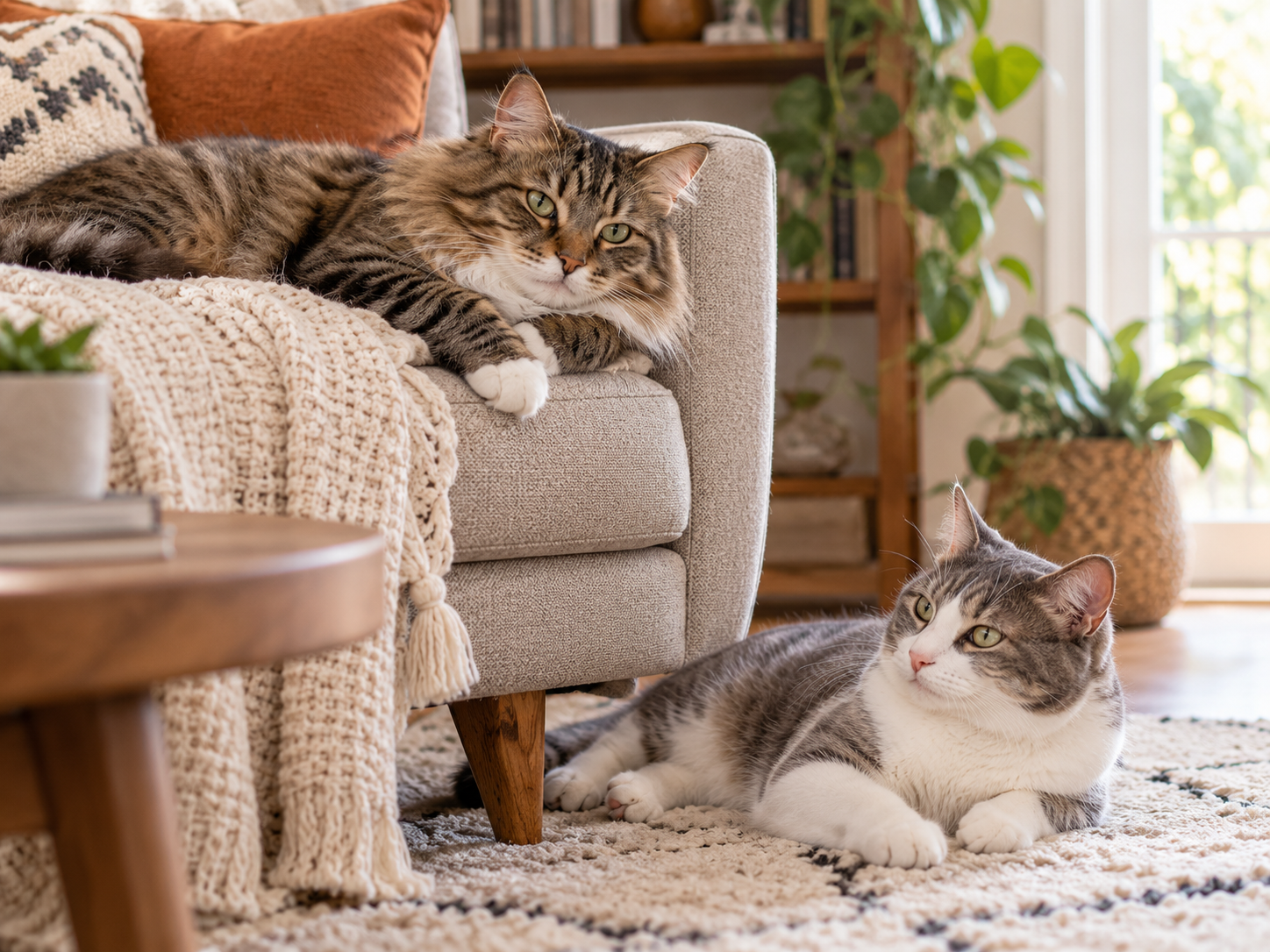
When evaluating whether this neutral state is sufficient, owners should observe whether both cats have equal access to vital areas like litter boxes, food stations, and resting spots. If cats can share the home without overt conflict or avoidance, their relationship is stable, even if they never become sleeping companions. Maintaining this baseline requires consistent resource distribution so that neither cat feels compelled to compete or establish dominance.
Decoding Subtle Warning Signs and Stress Behaviors
When relationships lean away from harmony and toward tension, cats rarely start with all-out brawls. Instead, they rely on subtle body language signals and micro-communications that can easily escape human notice Introducing Cats to Each Other. Cats use body language to give off warning signs during introductions, and these same signals appear in established households experiencing friction.
Owners frequently observe cats staring at one another, making soft chirping sounds, or engaging in subtle body blocking Do cats talk to each other, and how can we tell?. Staring is often an intimidation tactic designed to control access to prime territory, such as a sunny windowsill or a doorway. Body blocking occurs when one cat physically prevents another from moving freely down a hallway or approaching a food bowl.
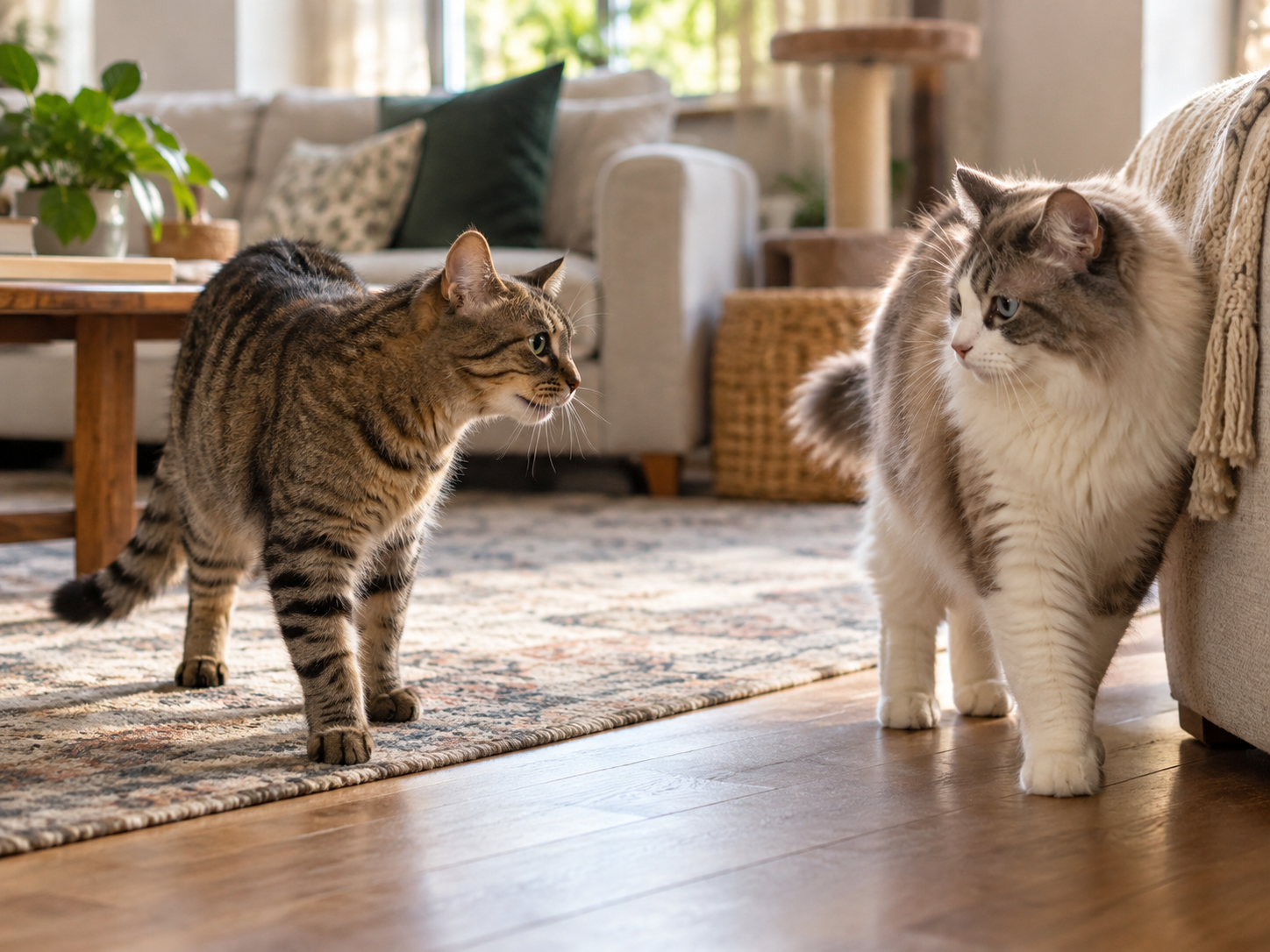
Other subtle stress indicators include stiffened postures, slow tail swishing at the tip, flattened whiskers, or sudden freezing when the other cat enters the room. A cat experiencing chronic stress may also alter its elimination habits, over-groom specific patches of fur, or display redirected aggression toward household members. Identifying these micro-signals early allows owners to intervene before minor friction escalates into persistent behavioral problems or chronic anxiety.
Sudden Aggression and Non-Recognition Aggression
One of the most distressing experiences for a cat owner is witnessing a sudden, violent fallout between cats that were previously bonded. Previously bonded cats can experience sudden aggression or hissing matches due to scent changes following medical procedures like spaying (non-recognition aggression) Cats Suddenly Hissing At Each Other??? Help !!.
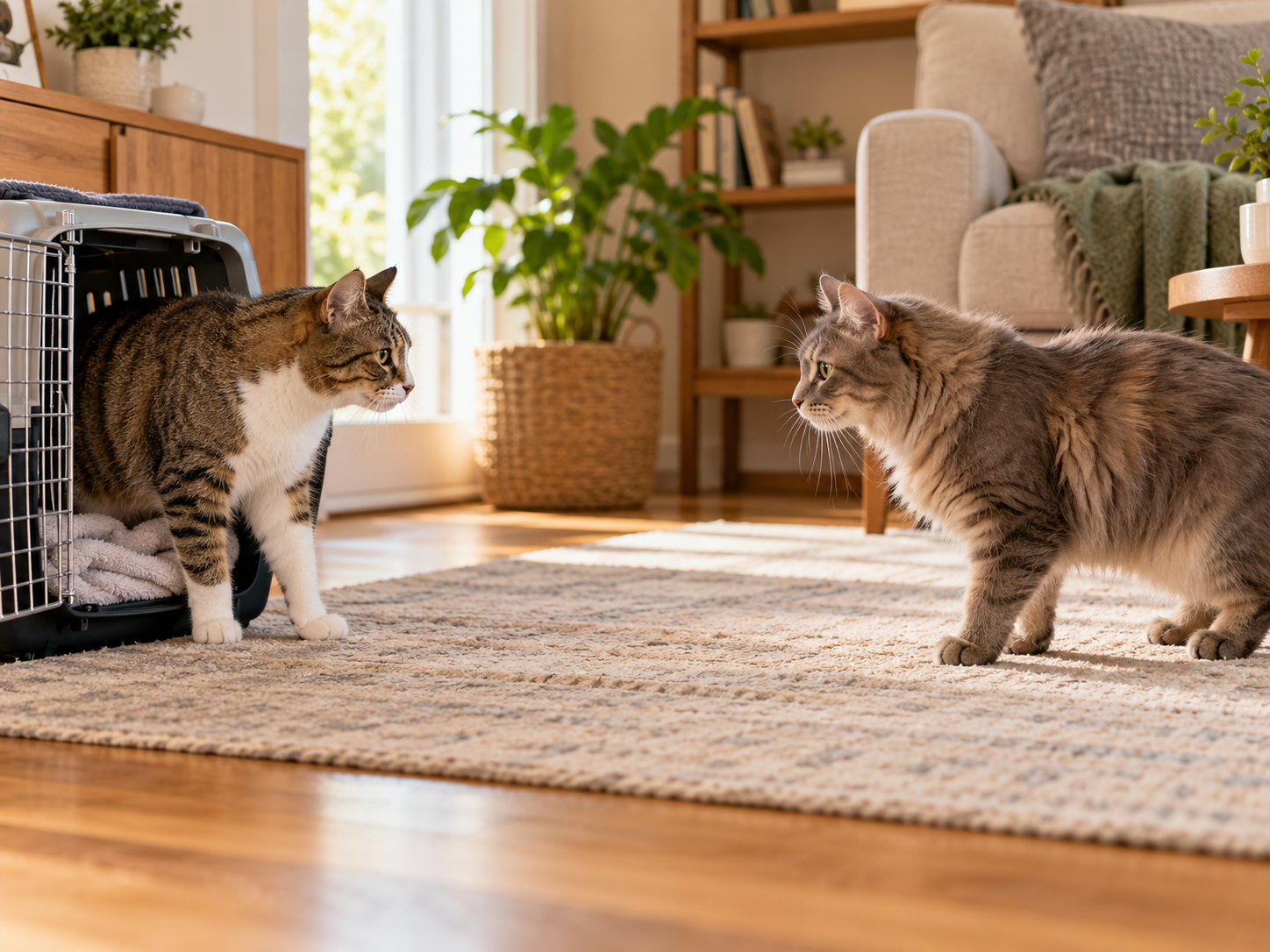
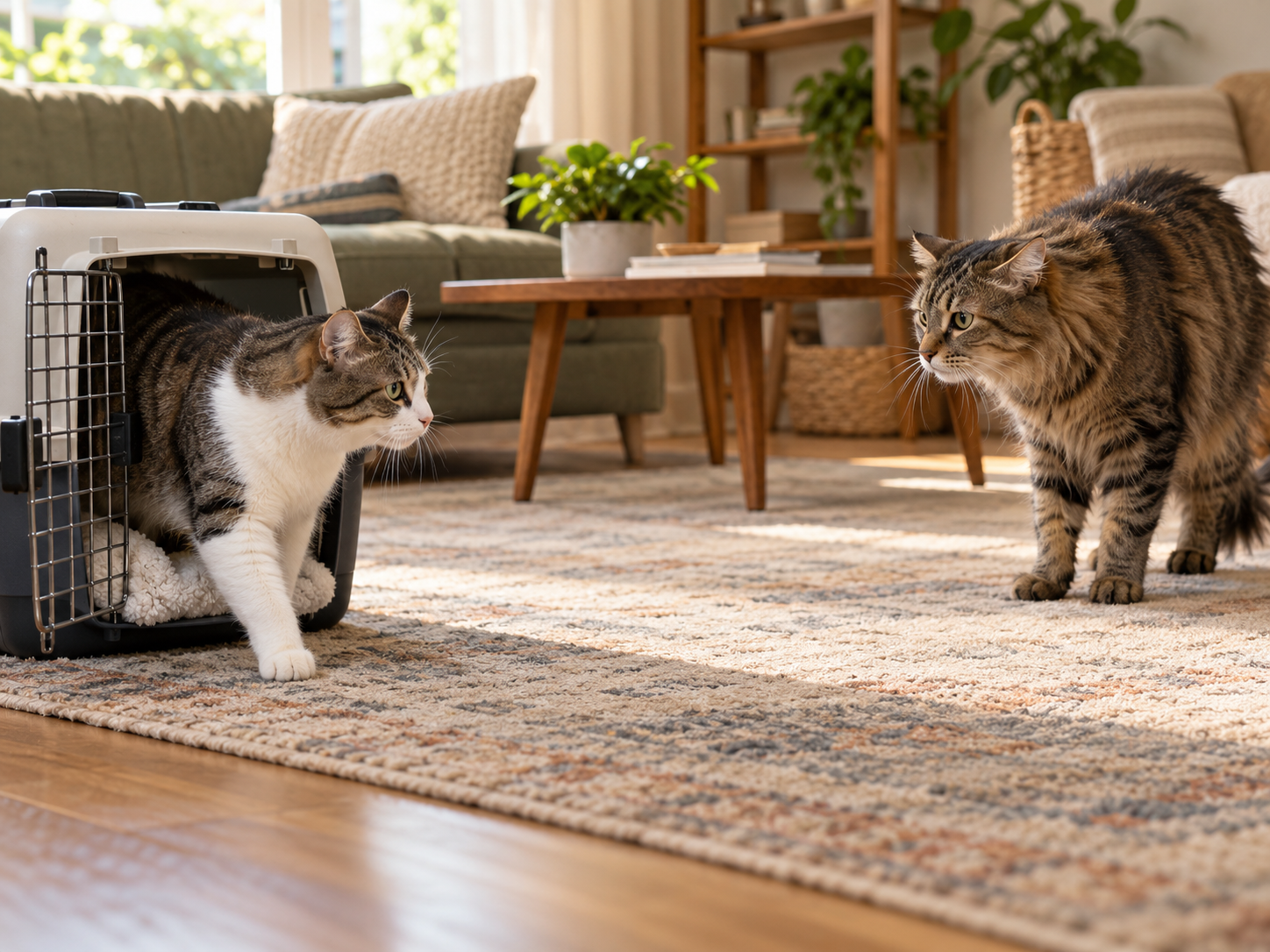
When a cat returns from the veterinary clinic, it carries unfamiliar chemical scents, antiseptic odors, and clinical stress hormones. To a resident cat, this returning companion smells like a stranger or an intruder. This triggers an instinctive defensive reaction characterized by hissing, growling, swatting, or active chasing. Recognizing non-recognition aggression helps owners avoid panicking; separating the cats temporarily and reintroducing their scents via a gradual exchange can restore peace once the clinical odors dissipate.
Managing this situation successfully requires patience and a systematic reintroduction protocol. Rather than forcing the cats to interact immediately, owners should confine the returning cat to a separate, quiet room with its own food, water, and litter box. Rubbing both cats with a shared towel or exchanging bedding can help commingle their scents before allowing face-to-face contact again. This careful approach prevents the temporary scent-based confusion from turning into a long-term grudge or permanent relationship breakdown.
Practical Steps for Managing Multi-Cat Households
Maintaining peace in a multi-cat home requires thoughtful environmental management. Choosing the right cat and careful introduction reduces the likelihood of fighting How to Introduce Cats to Each Other, but ongoing management is just as vital. Providing abundant resources prevents resource guarding and territorial disputes. Ensure there are multiple litter boxes distributed across different rooms—ideally one per cat plus an extra—along with separate feeding stations and multiple resting heights.
If tension arises, step back to basics by increasing vertical space so cats can navigate rooms without crossing paths on the floor. Interactive play sessions can also help burn off nervous energy, allowing cats to channel their predatory drive into toys rather than each other. By respecting individual boundaries and observing subtle behavioral shifts, owners can foster a stable, low-stress environment for every feline in the home.
Implementing these structural changes ensures that even cats who practice neutral toleration feel secure in their territory. When every cat has access to multiple escape routes, high perches, and independent feeding areas, the daily pressure of sharing a home diminishes significantly. Monitoring these environmental setups over time guarantees that changing household dynamics or aging cats continue to find comfort and security in their shared space.