
Building a meaningful bond with a cat who shies away from physical contact requires patience, observation, and deep respect for feline autonomy. For cat owners who treat their relationships with their feline companions as personally significant, navigating touch aversion can feel heartbreaking. You want to show affection, but every attempt to stroke your cat results in a retreat, a warning swipe, or tense body language. Understanding the root of this behavior and adopting a patient, consent-driven approach transforms how you interact with your cat, paving the way for genuine, relaxed connection.
Understanding Why Cats Refuse Touch
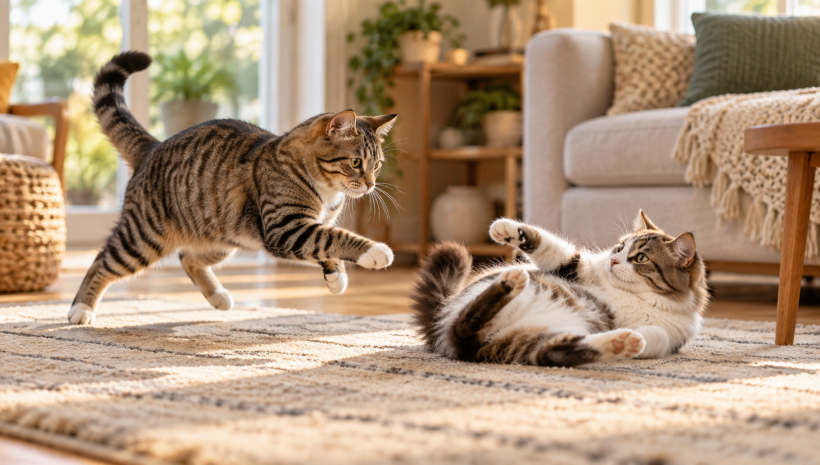
When a cat consistently refuses touch, it is rarely personal. Cats may refuse touch due to fear, anxiety, past trauma, or overstimulation when boundaries are ignored Cats may refuse touch due to fear, anxiety, past trauma, or overstimulation when boundaries are ignored. In many cases, early socialization gaps or unsettling experiences in previous environments leave cats hyper-vigilant. To an anxious cat, a human hand looming overhead can resemble a predatory threat rather than a gesture of affection.
Overstimulation is another frequent culprit. Many cats have low tolerance thresholds for petting, particularly along sensitive areas like the base of the tail, belly, or flanks. When human caregivers ignore subtle warning signs—such as a twitching tail, flattened ears, or rippling skin—and continue petting, the cat learns that defensive behaviors like hissing or swatting are the only reliable ways to stop unwanted contact. Recognizing these triggers allows you to reset your approach and prevent reinforcing fear.
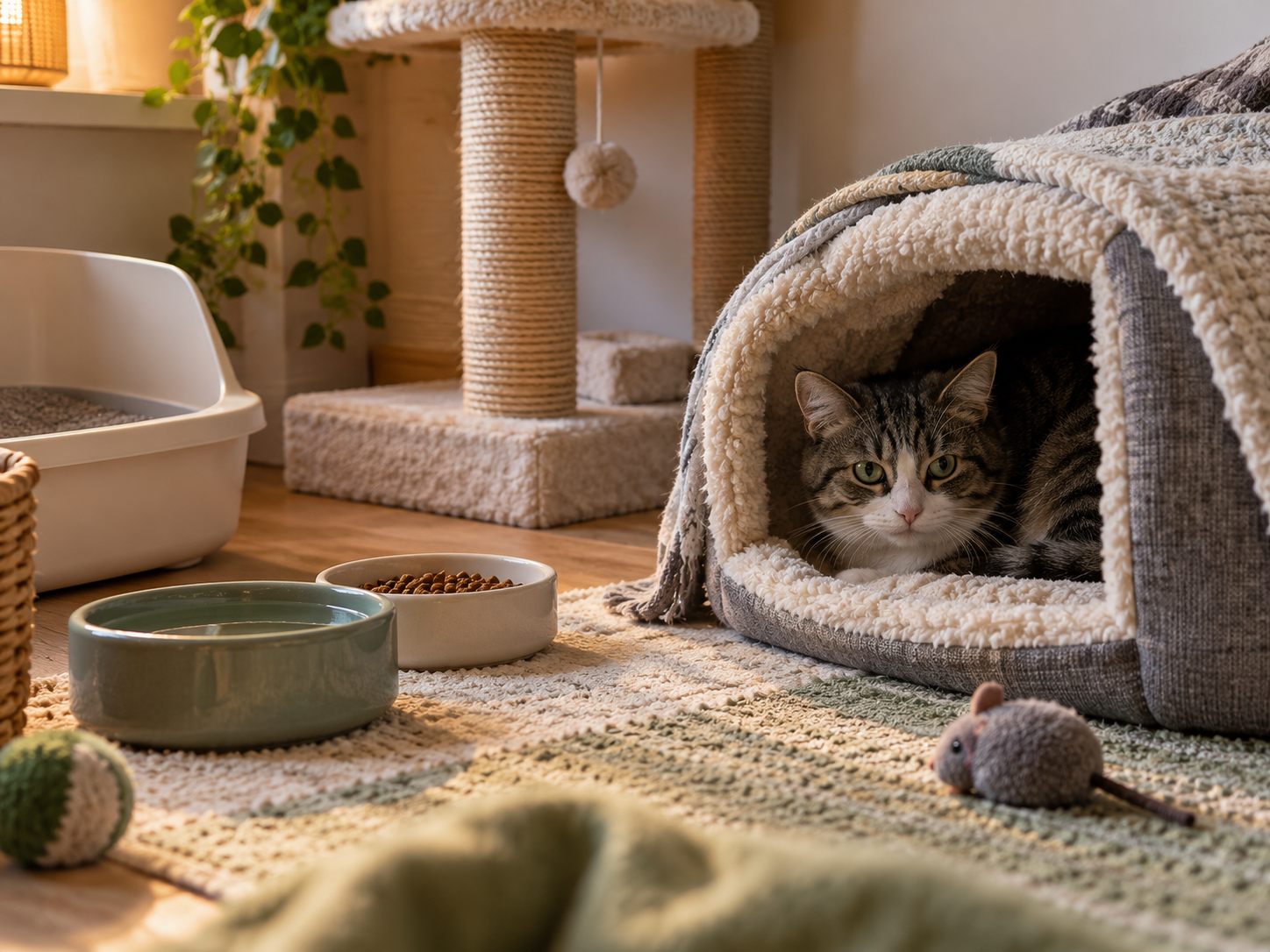
Furthermore, physiological sensitivities can underpin sudden changes in touch tolerance. A cat experiencing underlying discomfort may react defensively to physical contact that was once tolerated. Observing these subtle shifts helps maintain a clear boundary between deliberate behavioral training and medical observation, ensuring that every touch remains comfortable and stress-free.
The Power of Feline Agency and Consent
Allowing cats to initiate interaction and honoring consent cues helps reduce defensive behaviors and rebuilds trust Allowing cats to initiate interaction and honoring consent cues helps reduce defensive behaviors and rebuilds trust. Agency is essential for feline emotional well-being. When a cat feels in control of their environment and interactions, their baseline anxiety drops significantly.
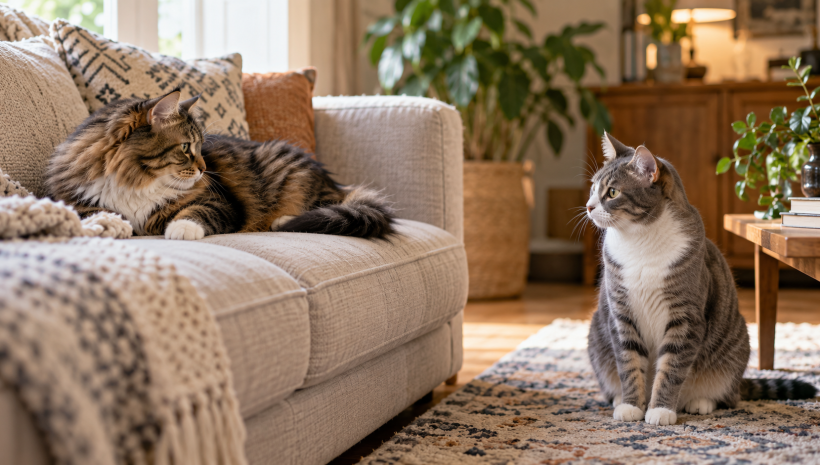
Implement the “consent test” or nose-to-finger invitation. Instead of approaching your cat with an outstretched hand ready to stroke, gently extend a single finger a few inches away from your cat’s nose at eye level—and wait. Allow the cat to investigate at their own pace. If they lean in and press their cheek or nose against your finger, they are granting permission for brief interaction, typically around the scent glands on their cheeks and chin. If they pull back, look away, or remain stationary, respect their decision immediately by withdrawing your hand.
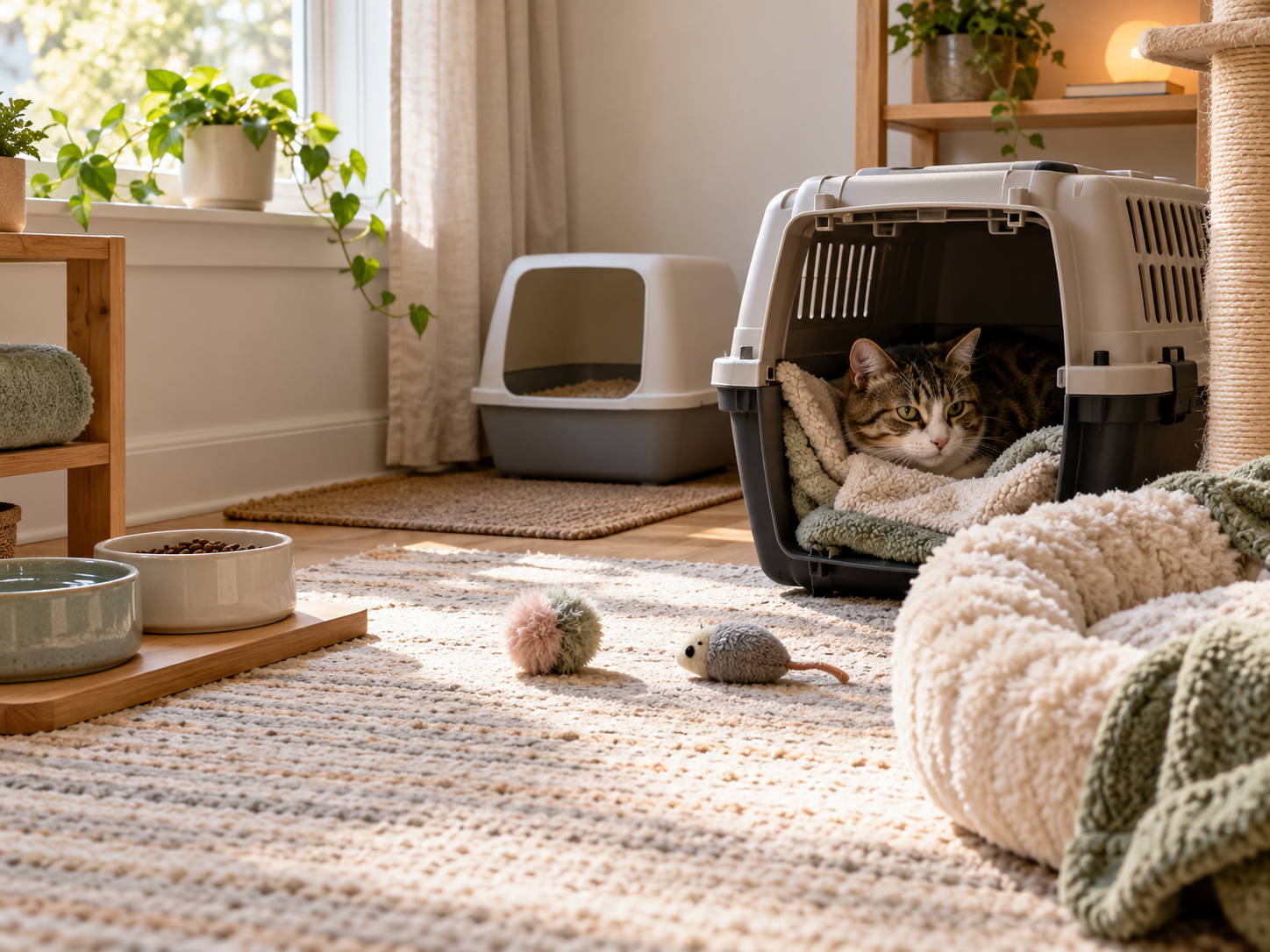
This practice teaches your cat that human hands predict safety and choice rather than pressure and intrusion. Over time, predictable respect for their boundaries decreases defensive reactivity. When cats realize that a withdrawn hand is respected instantly, their confidence grows, making them more likely to approach voluntarily in future sessions.
Gradual Desensitization and Positive Association
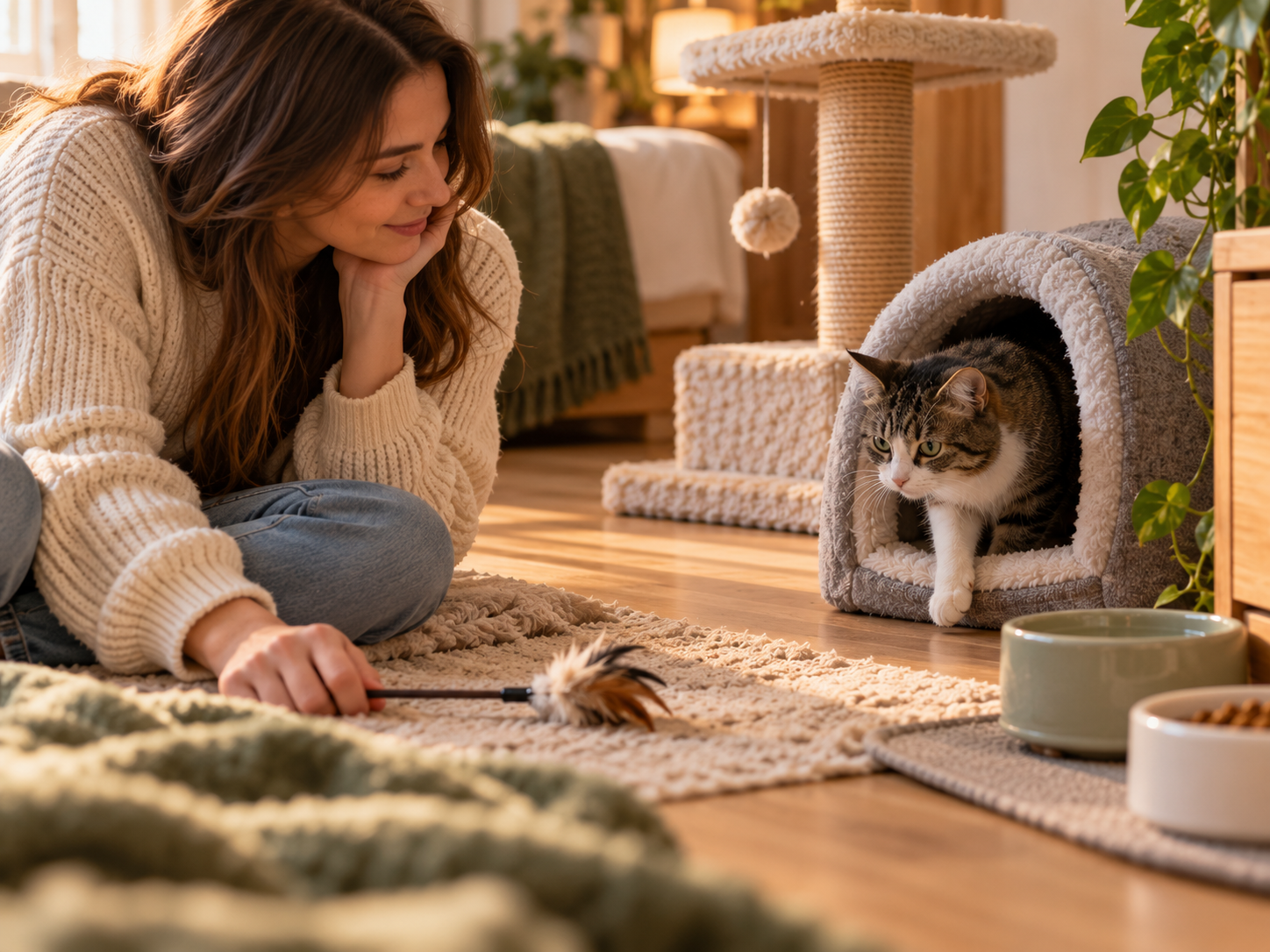
Building trust with nervous or touch-averse cats requires patience, understanding, and consistency rather than forced interaction Building trust with nervous or touch-averse cats requires patience, understanding, and consistency rather than forced interaction. Rushing the process often resets progress. Instead, pair your presence and gradual proximity with high-value rewards, such as exceptionally tasty treats or gentle play with a wand toy at a comfortable distance.
Start by simply existing peacefully in the same room without demanding attention. Read a book or talk softly so your cat becomes accustomed to your calm rhythm. Once your cat is relaxed in your presence, you can introduce desensitization steps:
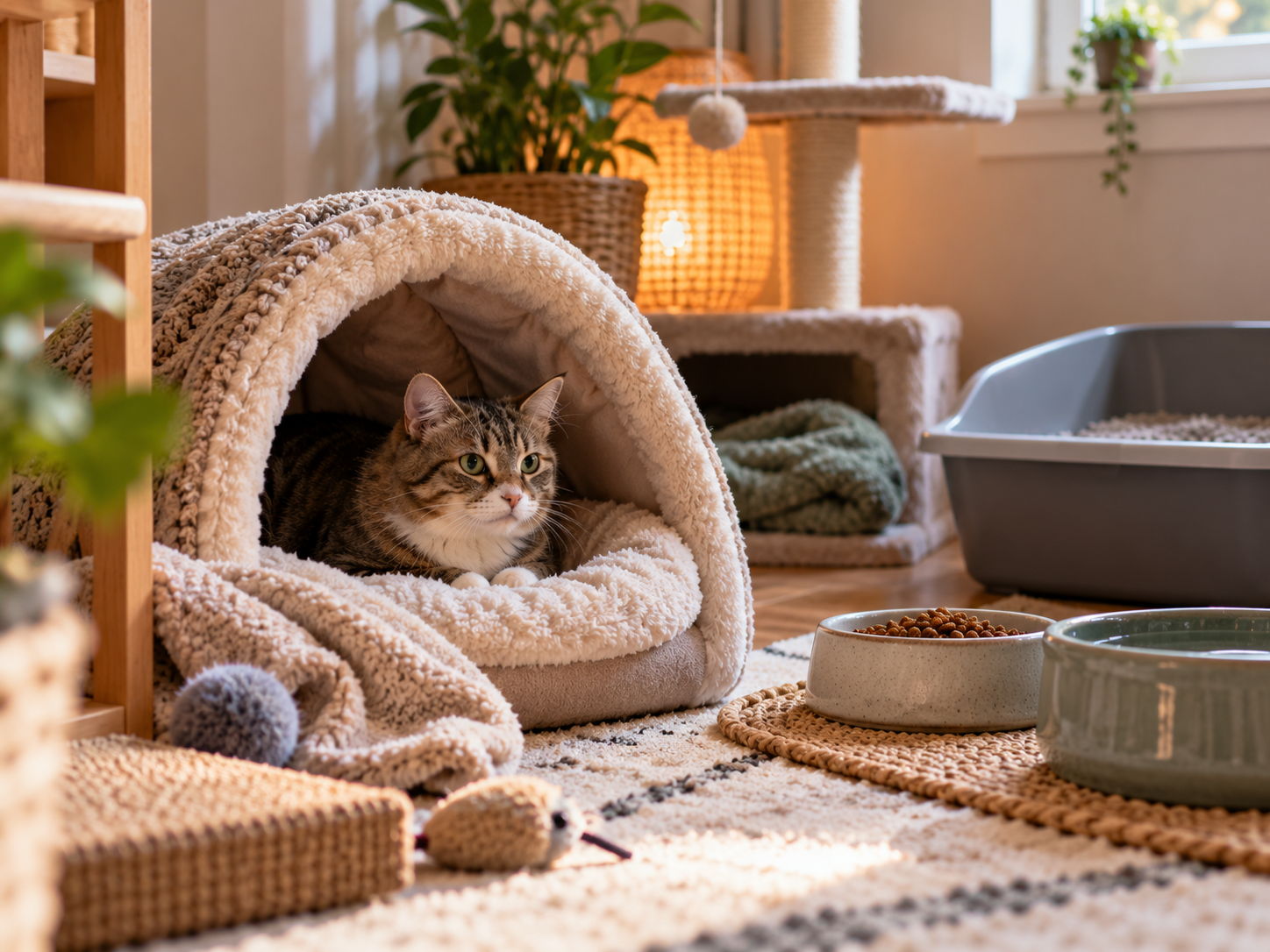
1. Proximity without pressure: Sit near your cat while offering delicious treats from a spoon or tossed gently toward them, reinforcing that your approach brings good things. 2. Stationary finger tests: Use the nose-to-finger test without following up with a full-body stroke. Let the reward be the successful, pressure-free interaction itself. 3. Micro-petting: If your cat consistently greets your finger with a cheek rub, offer one single, gentle stroke under the chin, then immediately remove your hand before they show any sign of overstimulation. 4. Monitor and adjust: Pay close attention to body posture. If muscles tense or pupils dilate, pause and give them space.
Consistency and predictability are your strongest tools. By letting your cat set the pace, you honor their emotional needs and build a foundation of trust that can last a lifetime. Maintaining a predictable daily routine further reinforces this security, allowing your cat to anticipate interactions without feeling cornered or overwhelmed.
Frequently Asked Questions
Why does my cat pull away or swipe when I try to pet them?
When a cat pulls away or swipes, they are communicating discomfort, fear, or sensory overstimulation. Often, previous touches exceeded their comfort threshold, or the approach felt threatening. Honoring their body language and stopping before they feel forced to defend themselves helps prevent these reactions.
How can I tell if my cat actually wants to be touched?
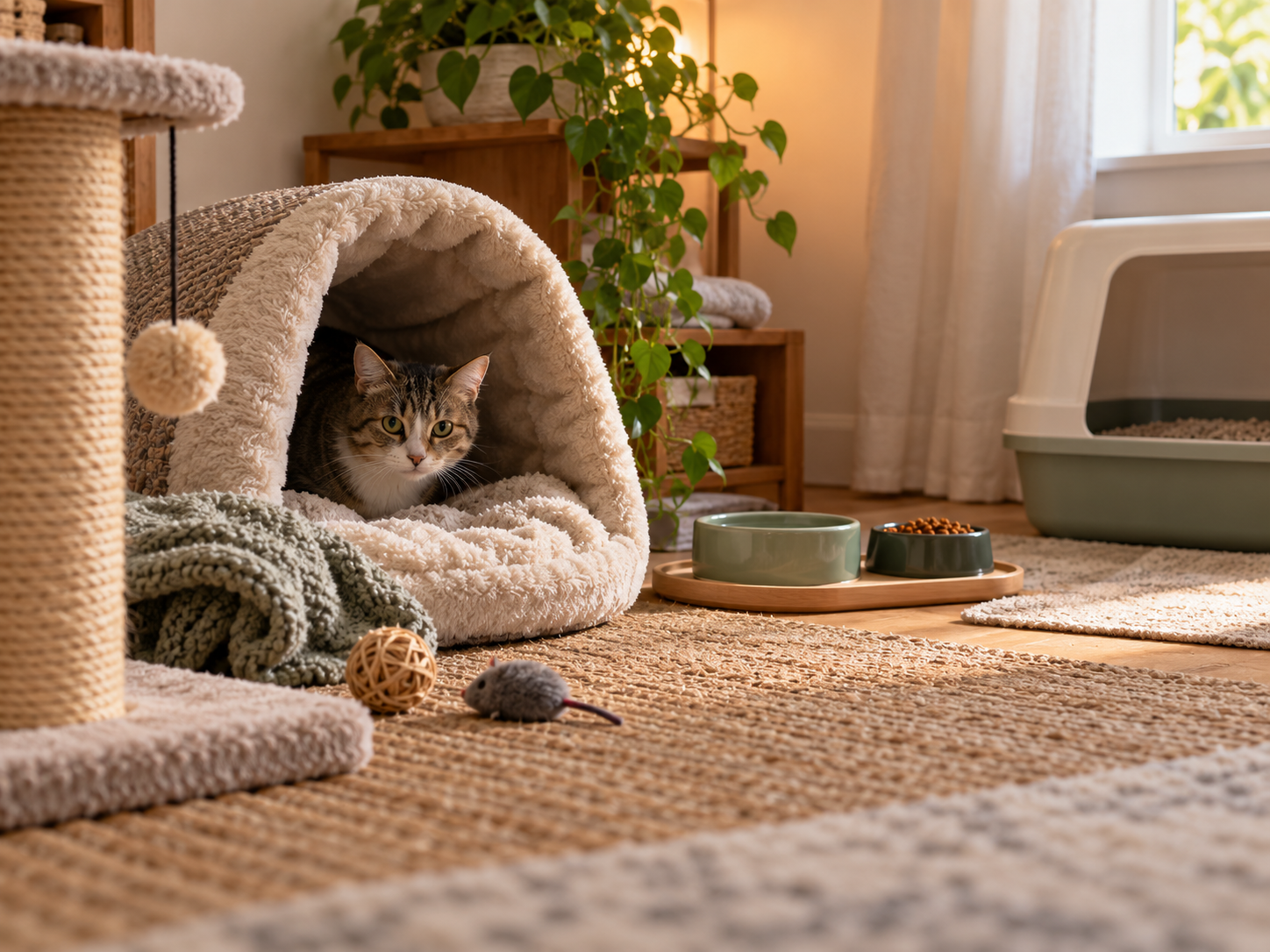
A cat that wants touch will actively initiate contact, such as bunting their head against your hand, leaning into your space, or accepting the nose-to-finger invitation by rubbing their cheeks against you. Relaxed posture, soft eyes, and an upright tail with a slightly curved tip are also positive indicators.
What are the best ways to bond with a shy or anxious cat without forcing physical contact?
You can bond deeply through shared quiet space, interactive play with long-wand toys that keep a safe distance, predictable feeding routines, and speaking to them in a soft, gentle voice. Allowing them to observe you from a secure perch lets them build confidence safely.
What progress can look like
Progress does not have to mean going from no touch to full cuddling. A useful way to judge change is whether your cat is choosing to stay nearby, approaching more often, recovering more quickly after a cautious moment, or accepting a little more contact without immediately leaving. Keep sessions short enough that your cat can finish while still comfortable. If a step makes your cat retreat, return to the last level that felt easy and repeat it. The goal is not to win permission for touch; it is to make your presence and hands increasingly predictable, optional, and safe.