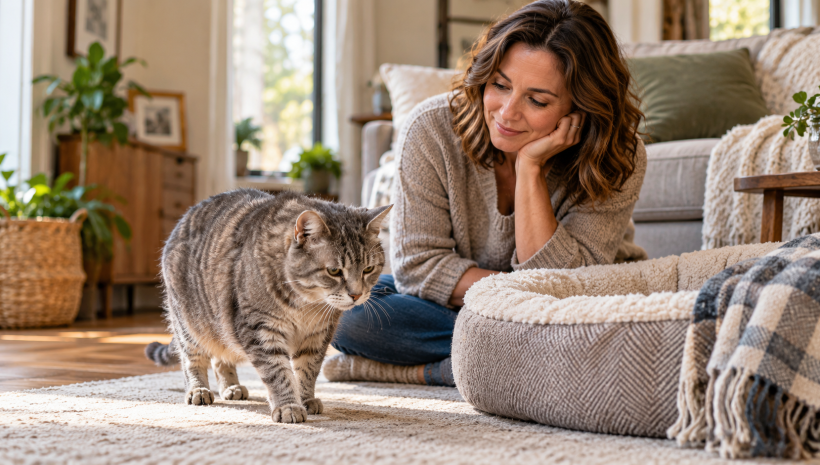
The first few months of a kitten’s life are critical for shaping their health, personality, and lifelong bond with their owner Science of Cats. During this formative window, young felines undergo rapid physical and behavioral changes that lay the groundwork for adulthood. Understanding these milestones helps owners navigate everything from initial household introduction to preventive healthcare and boundary testing.
The Crucial First Months of Kittenhood
Kittens experience the most drastic developmental changes in their first 8 weeks of life The Vet Desk. During this period, sensory systems open up, motor skills rapidly improve, and social behaviors begin to emerge through interactions with littermates and mother cats. When a kitten transitions to a human household, usually around 8 to 12 weeks of age, their capacity for learning and environmental adaptation is at its peak. Recognizing these early developmental shifts allows caregivers to provide appropriate enrichment, nutrition, and socialization that foster long-term confidence and stability. Understanding the science-based stages of early development ensures that you meet your kitten’s physical and emotional needs right from the start.
Veterinary and behavioral observations indicate that young felines process environmental stimuli intensely during their first two months. As their eyes and ears fully open, they absorb sights, sounds, and textures that shape their future reactions to the world. Mother cats and littermates play an indispensable role during these weeks by teaching feline communication, bite inhibition, and social hierarchy. When humans adopt a kitten after this initial window, the responsibility shifts to the owner to continue positive socialization. Introducing various gentle handling techniques, household sounds, and new human faces gradually prevents fear-based behaviors later in life.
Bringing Your Kitten Home: The Initial Decompression Period
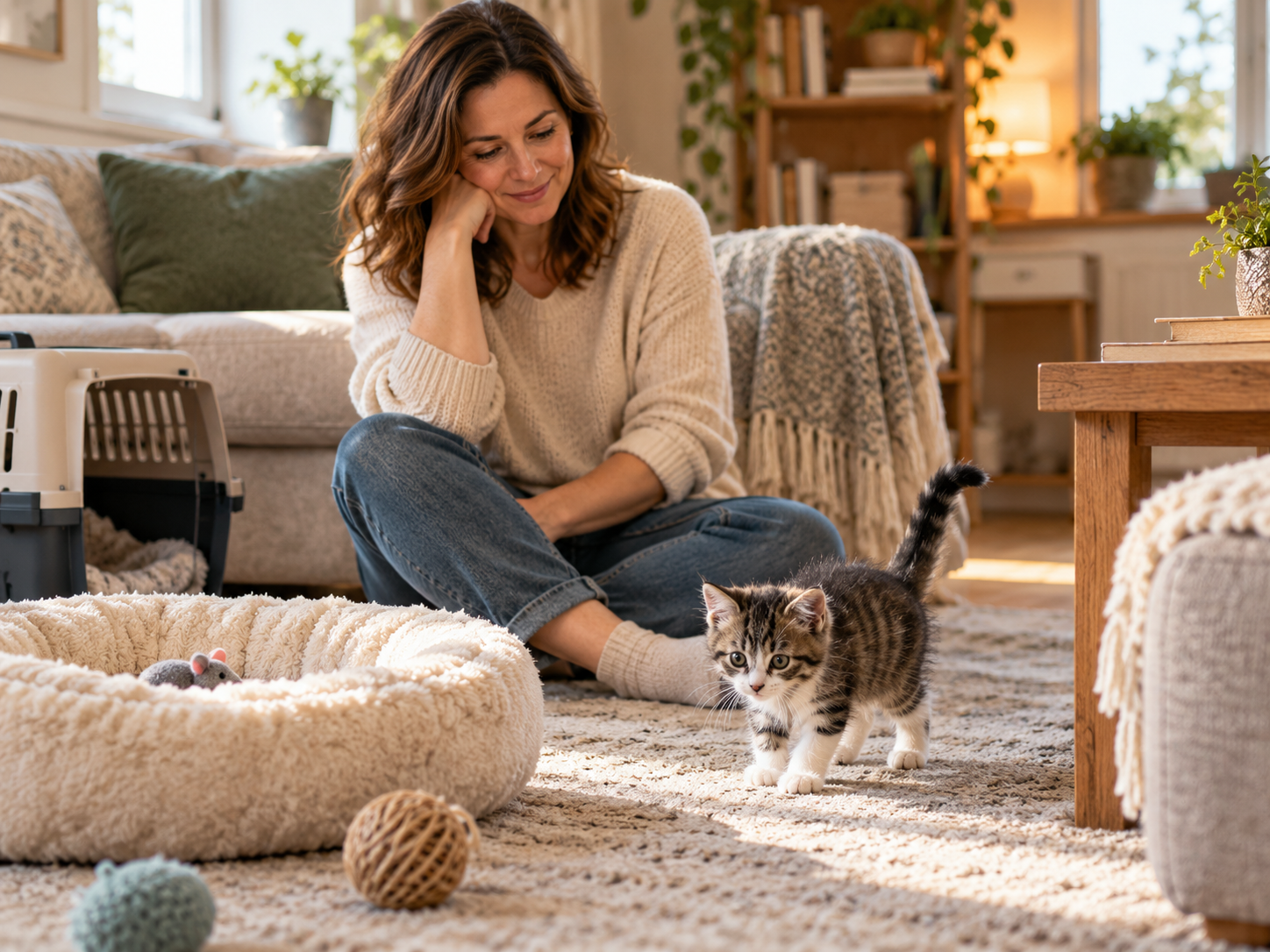
The initial adjustment period at home often prioritizes gentle decompression and letting the kitten approach at their own pace Petful. Moving to a new home introduces unfamiliar sights, sounds, and smells that can overwhelm a young feline. Rather than forcing intensive handling or immediate exploration of the entire house, owners should confine the kitten to a single, quiet room equipped with food, water, a litter box, and cozy hiding spots. Allowing the kitten to investigate their immediate surroundings independently helps reduce stress and builds a secure foundation for future bonding.
When you first bring your kitten home, patience is your best tool. The transition from a familiar shelter, breeder, or rescue environment to a novel house filled with strange noises triggers a natural defensive response. By restricting access to one secure room initially, you prevent sensory overload. Place the litter box away from feeding stations, and provide covered beds or cardboard boxes where the kitten can retreat when tired or startled. Let your kitten initiate contact; sit quietly in the room, read aloud, or offer treats from an open palm without demanding immediate affection. This measured approach builds trust and reassures the young cat that their new territory is safe.
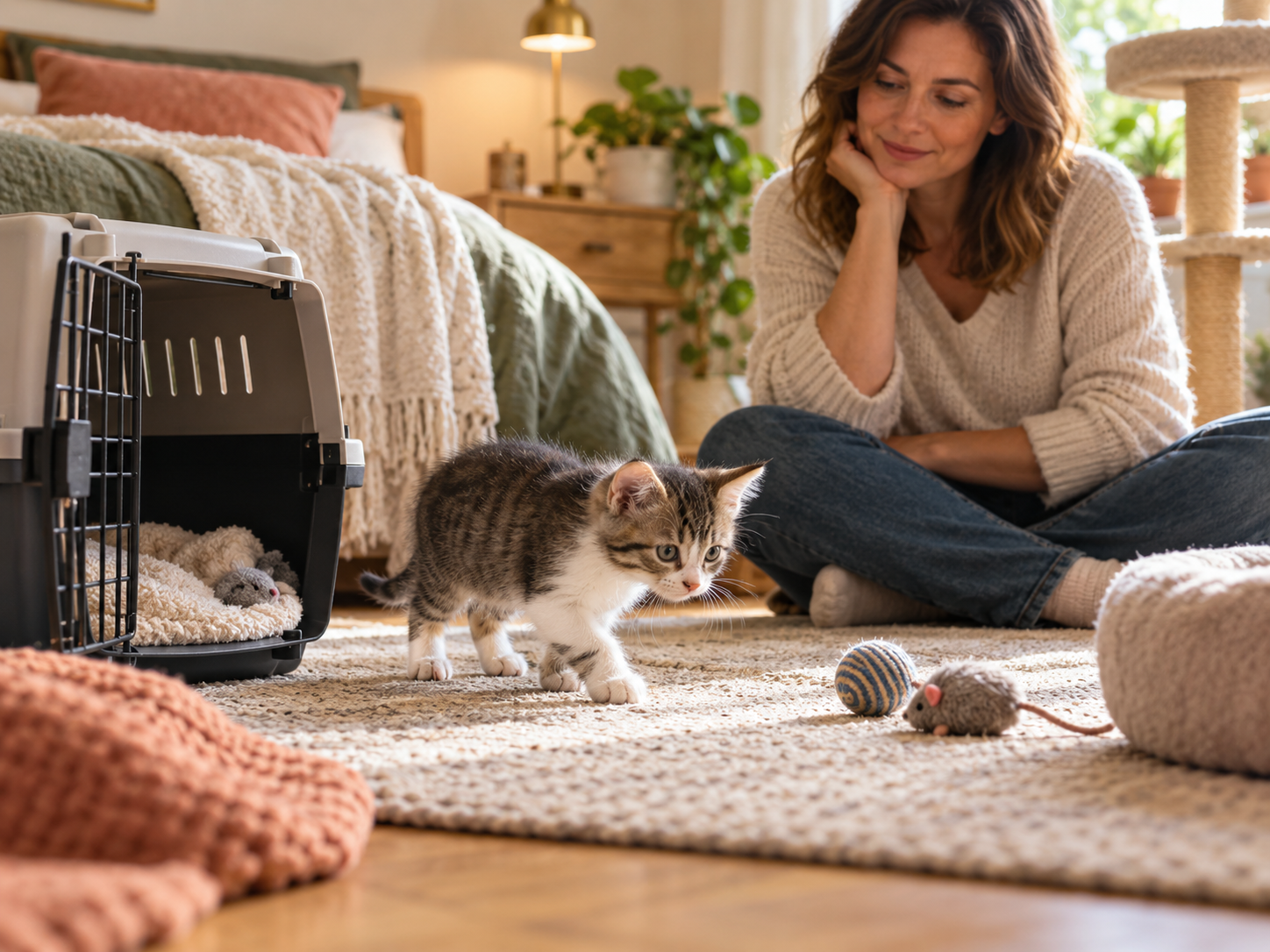
As days pass and confidence grows, you can gradually expand the kitten’s boundaries to adjacent rooms. Keep interactive sessions brief and positive, always allowing the kitten to retreat to their safe room if they show signs of hesitation or fear. Monitoring how they navigate doorways, stairs, and larger open spaces helps you spot potential hazards before giving them free run of the house.
Managing Boundless Energy: Play and Comprehensive Kitten-Proofing
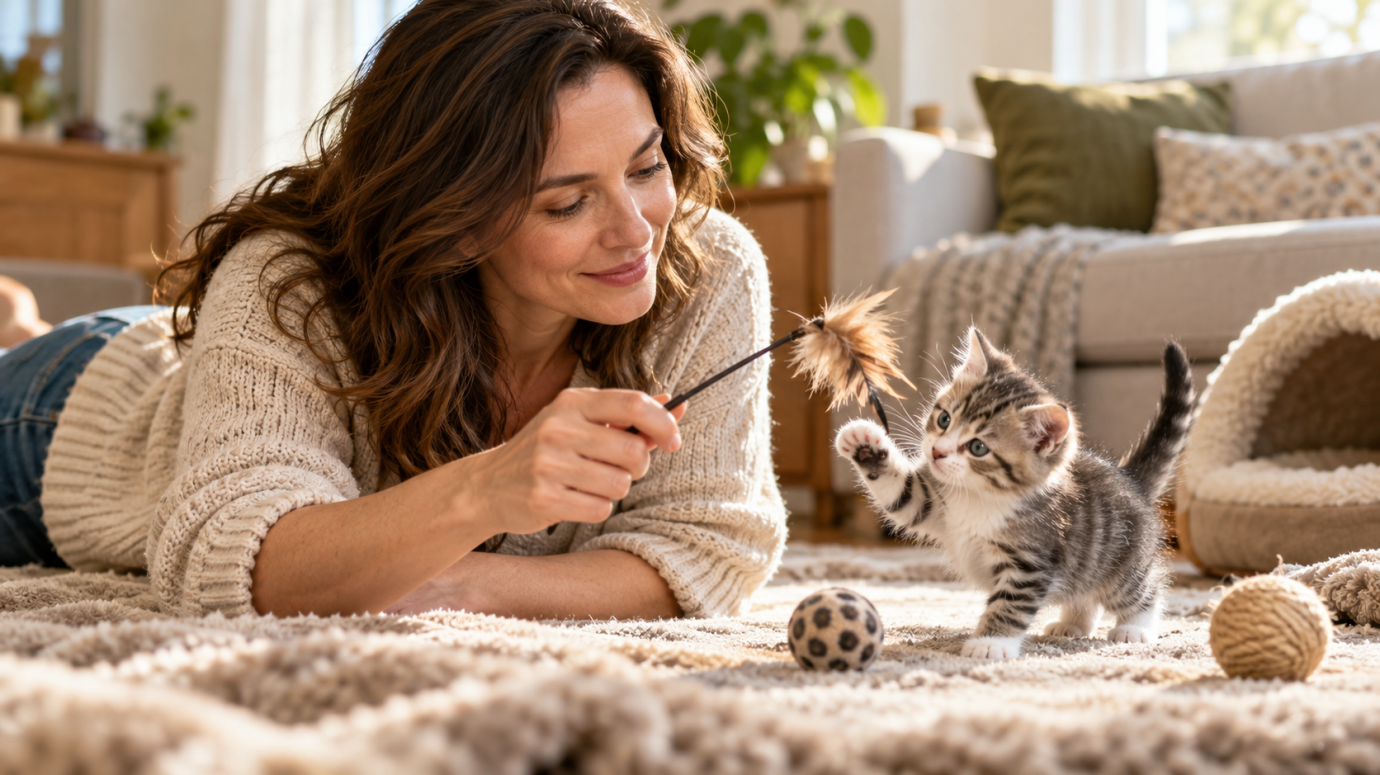
As kittens settle into their new environment, their activity levels surge. Interactive play sessions and comprehensive kitten-proofing (cabinets, doors, secure spaces) are essential Petful. Young cats possess a strong predatory drive that requires safe outlets through wand toys, small balls, and simulated hunting games. Concurrently, environmental safety is paramount. Securing household chemicals, closing off small gaps behind appliances, and covering electrical cords prevent accidental injuries while the curious kitten explores their expanding world.
Play is not merely a fun pastime for a growing kitten; it is a critical developmental activity that mimics hunting, refines motor coordination, and burns off immense bursts of energy. Provide a variety of toys that encourage stalking, chasing, and pouncing, but always supervise play involving strings, ribbons, or small detachable parts that could be swallowed. Interactive wand toys allow you to control the speed and movement of the “prey,” giving your kitten a satisfying catch at the end of the session. This prevents inappropriate pouncing on human ankles or hands.
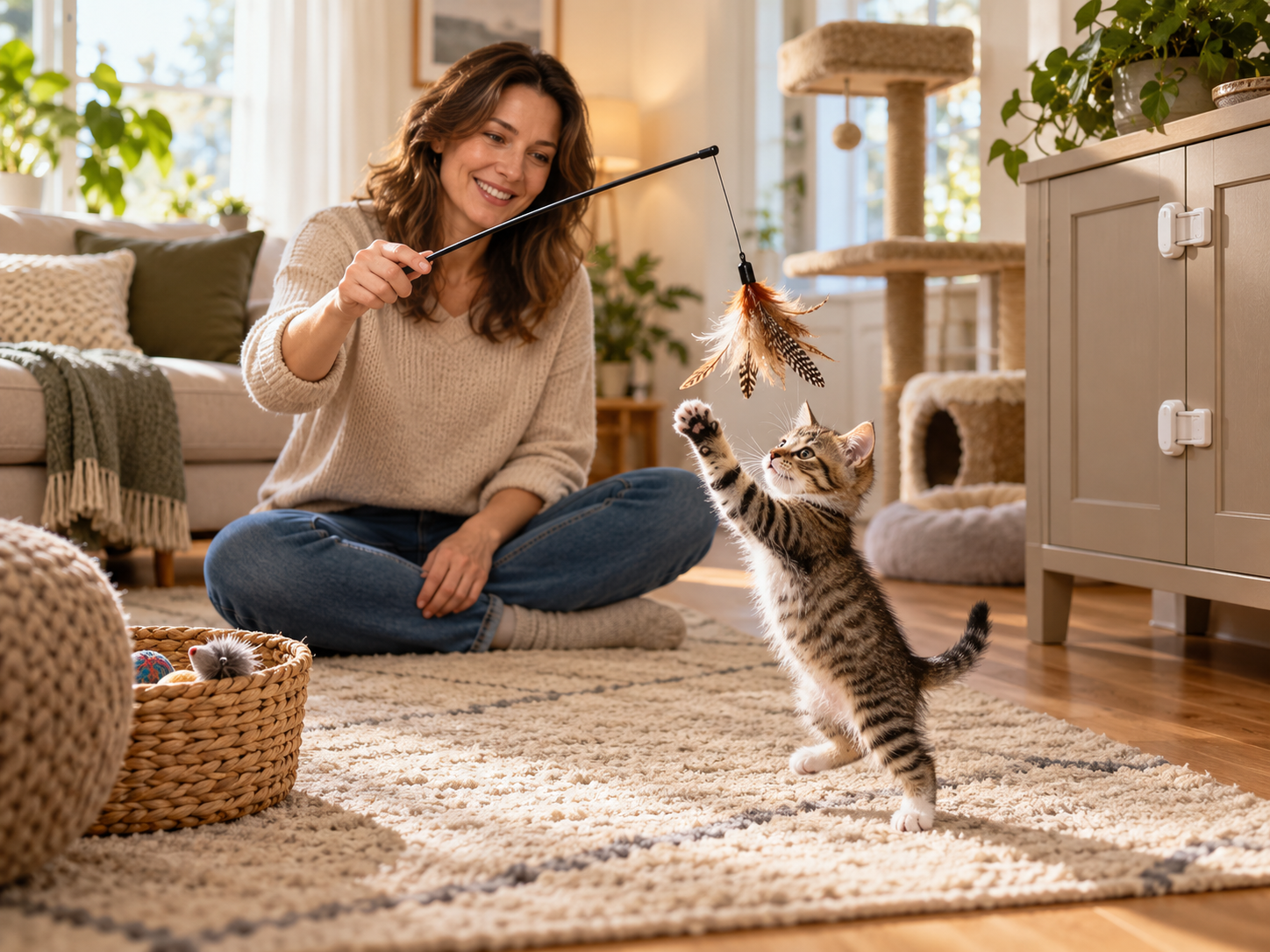
Simultaneously, comprehensive kitten-proofing requires looking at your home from a tiny, agile perspective. Young felines can squeeze into shockingly small spaces, climb curtains, and bat at dangling cords. Move all cleaning supplies, medications, and toxic houseplants into locked cabinets or upper shelves. Check behind refrigerators and laundry units for exposed wiring or gaps leading into wall cavities. Securing trash cans with tight lids and keeping toilet lids closed further protect your curious companion from accidental ingestions or falls.
Veterinary Timeline, Health Protection, and Preventive Care
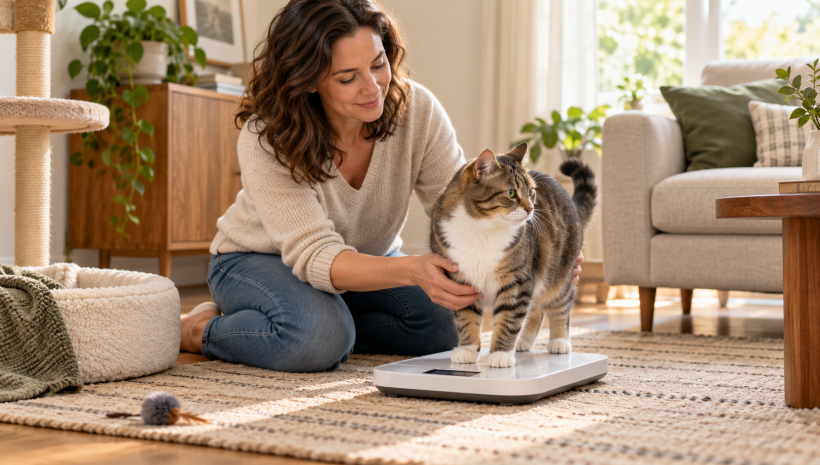
Routine veterinary oversight is a cornerstone of responsible kitten ownership. Vaccination and spay/neuter timing should be individualized with your veterinarian based on age, health, lifestyle, local disease risks, and applicable guidance; the important point is to establish a preventive-care plan early rather than rely on a one-size-fits-all calendar. Vulnerability to threats and infectious diseases requires protective care and vet oversight The Vet Desk. Regular veterinary check-ups allow professionals to monitor weight gain, screen for parasites, and provide timely immunizations that safeguard the kitten’s developing immune system against common feline pathogens.
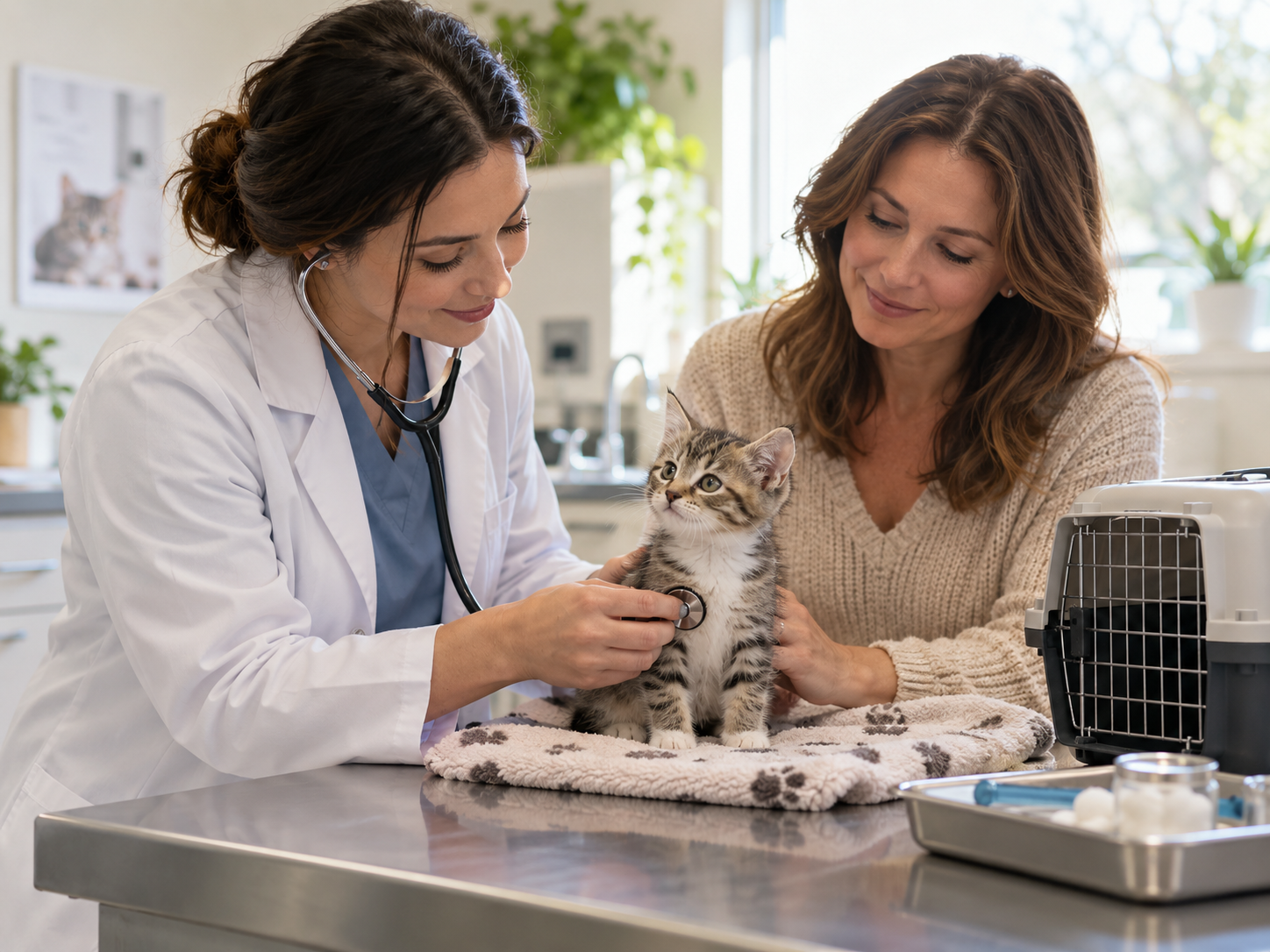
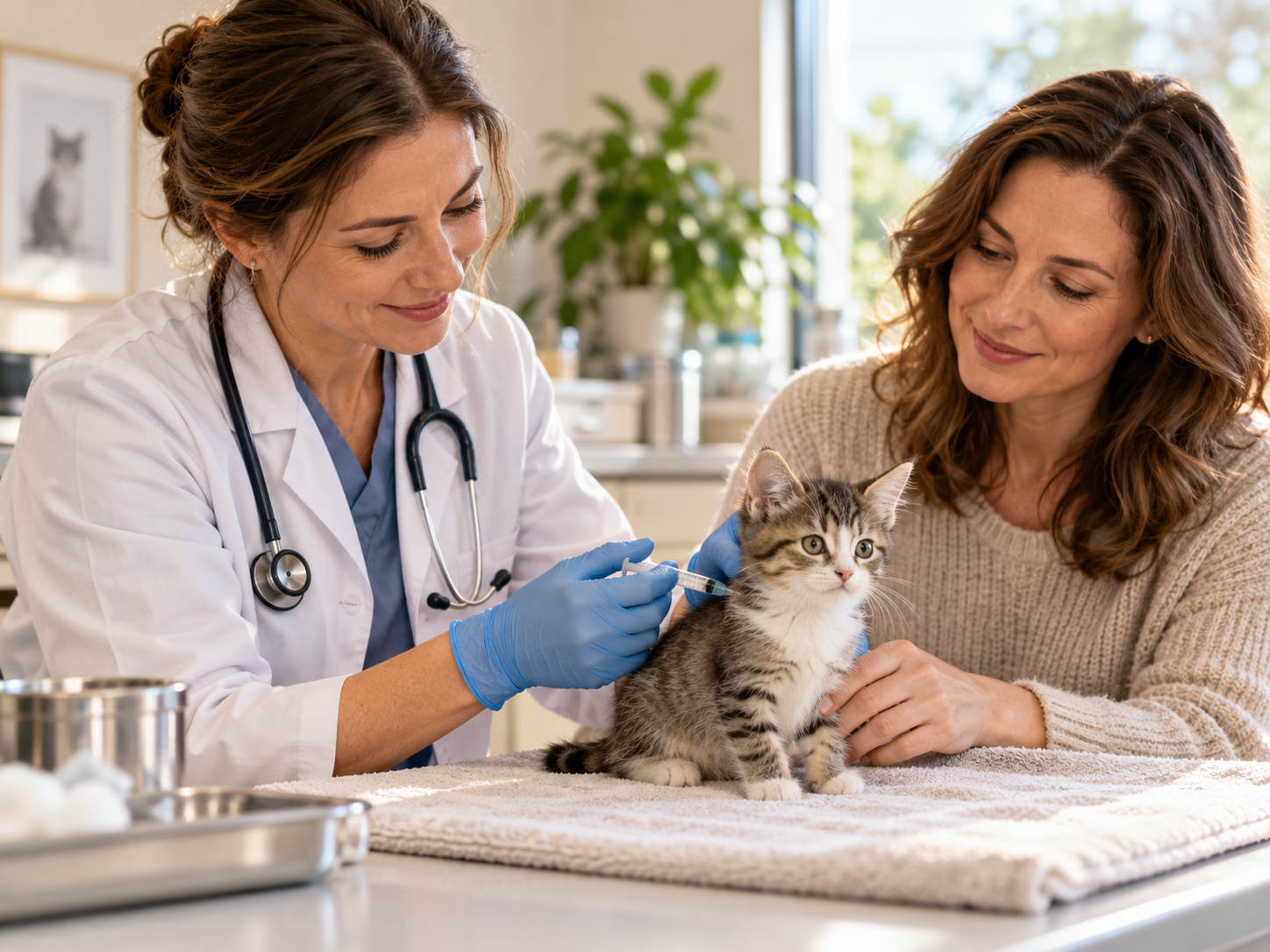
Your kitten’s first veterinary visit establishes a baseline for lifelong wellness. During these early appointments, the veterinarian performs a thorough physical examination, checks for fleas, ear mites, and intestinal parasites, and administers the initial rounds of core vaccinations. These vaccines typically protect against feline panleukopenia, viral rhinotracheitis, and calicivirus, with rabies vaccines administered according to local regulations and age milestones. Keeping a strict vaccination calendar is vital because immature immune systems leave young cats highly susceptible to contagious illnesses.
Beyond immunizations, discussing parasite prevention protocols with your veterinarian ensures your kitten stays protected against fleas, ticks, and heartworms. As your kitten approaches the 4-to-6-month mark, consult your veterinarian regarding elective procedures such as spaying or neutering. Early sterilization offers significant health and behavioral benefits, including reduced roaming urges, prevention of unwanted litters, and a lower incidence of certain reproductive cancers.
Navigating Boundary Testing and Lifelong Growth
As kittens mature past their initial months, they enter adolescence, bringing new behavioral dynamics. The first year involves boundary testing, exploration, and mutual learning between owner and kitten PetSure. Young cats may test household limits, climb curtains, or engage in rough play as they establish their place in the family hierarchy. Consistent, positive guidance, patience, and clear boundaries help shape a well-adjusted adult cat. Through mutual adaptation and attentive care, the relationship deepens, resulting in a resilient and trusting lifelong companionship.
Adolescence in felines brings an energetic surge combined with an inquisitive desire to test rules. You may notice your teenage kitten jumping onto forbidden countertops, exploring high bookshelves, or testing your reactions when scratching furniture. Instead of reacting with anger or harsh reprimands—which only creates fear and damages trust—focus on redirection and positive reinforcement. Provide appropriate vertical territory like tall cat trees and sturdy scratching posts, rewarding your kitten whenever they use them correctly.
Consistent household rules shared by all family members prevent confusion during this developmental stage. If jumping on the dining table is discouraged, maintain that standard consistently rather than occasionally allowing it. Pair boundary management with regular mental stimulation, such as puzzle feeders or training sessions using small treats. By combining patience, clear guidance, and active engagement, you guide your kitten successfully through adolescence into a calm, confident, and affectionate adult cat.