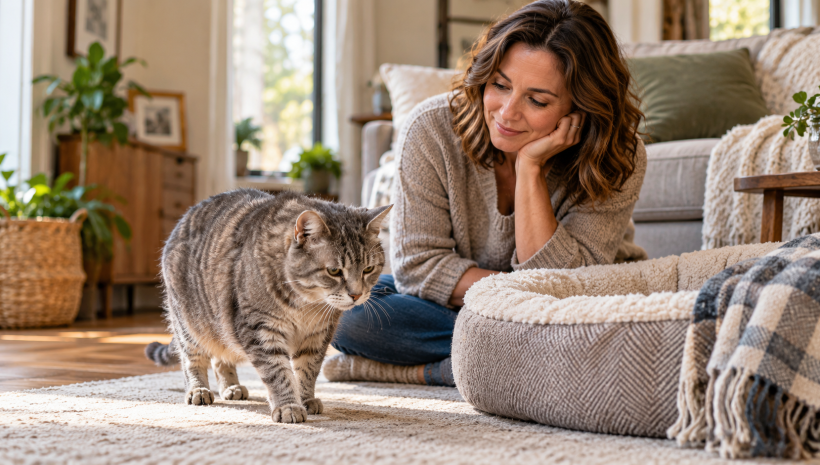

Cats have an exceptional ability to mask illness, often hiding vulnerability until a health issue has advanced significantly. For cat owners who share a deep bond with their animal companions, noticing a subtle shift in daily routines, activity levels, or social habits can be unnerving. Understanding how to observe these subtle changes and knowing when to transition from home monitoring to professional veterinary care is an essential part of responsible feline companionship.
Recognizing Subtle Behavioral Shifts
In the wild, prey animals and solitary hunters hide signs of weakness to avoid predation. Domestic cats retain this instinct, meaning that an uncomfortable cat will often look remarkably normal to the untrained eye. Instead of dramatic distress calls, feline illness frequently announces itself through quiet, incremental changes in behavior.
Key behavioral shifts to watch for include sudden social withdrawal, reluctance to jump onto favorite perches, increased hiding, changes in grooming habits, or modifications in litter box usage. A cat that stops greeting you at the door, sleeps significantly more, or demonstrates uncharacteristic irritability may be communicating physical discomfort or pain. According to guidance on cat behavior and health, monitoring these early indicators is crucial for catching medical conditions before they escalate (Cat Behavior & Health 101).
Observing these shifts requires consistent daily attention to your cat’s normal patterns. For instance, a cat that routinely sleeps on the bed at night but suddenly begins retreating to a quiet, secluded closet may be signaling a physical problem. Similarly, a cat that hesitates before leaping onto the windowsill or avoids climbing altogether could be experiencing joint discomfort or systemic illness. Paying close attention to grooming routines is equally important; a cat that neglects its coat, resulting in a matted or unkempt appearance, is often struggling with pain, dental disease, or internal illness that makes grooming physically demanding. Litter box changes—such as straining, visiting the box more frequently with small outputs, or eliminating outside the box—also serve as critical diagnostic clues that require careful record-keeping before your veterinary visit.

Respiratory Changes and Environmental Triggers
Respiratory health is a particularly critical area where subtle signs warrant careful attention. Feline respiratory conditions, such as bronchitis or asthma, can manifest through subtle breathing pattern changes long before an overt crisis occurs (Bronchitis in Cats: Signs and When To Call Your Vet).
Owners should observe their cat closely for specific respiratory indicators:
- Occasional or persistent coughing
- Audible wheezing or whistling sounds during breathing
- Increased respiratory rate or effort at rest
- Open-mouth breathing or noticeable abdominal effort when inhaling
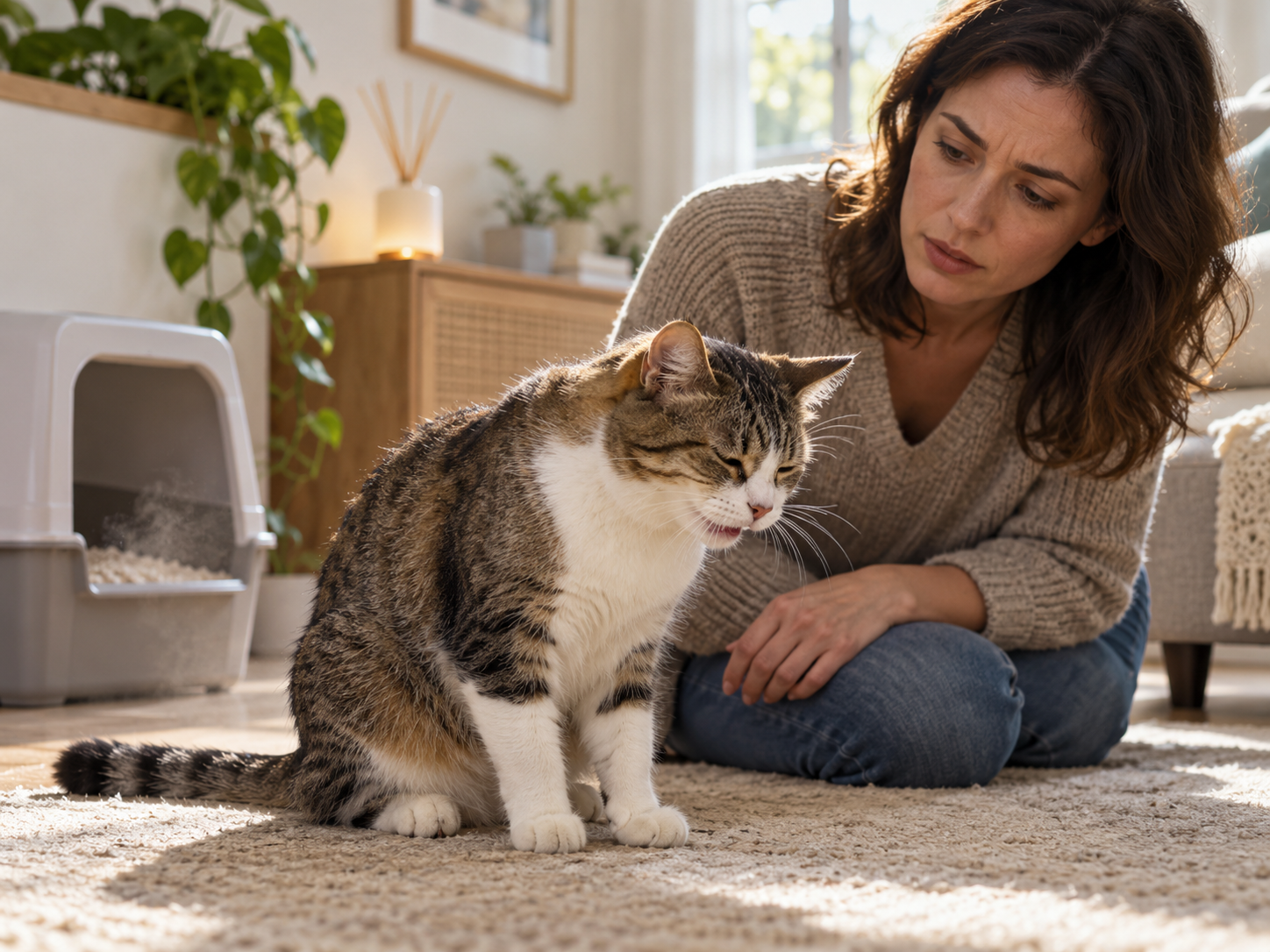
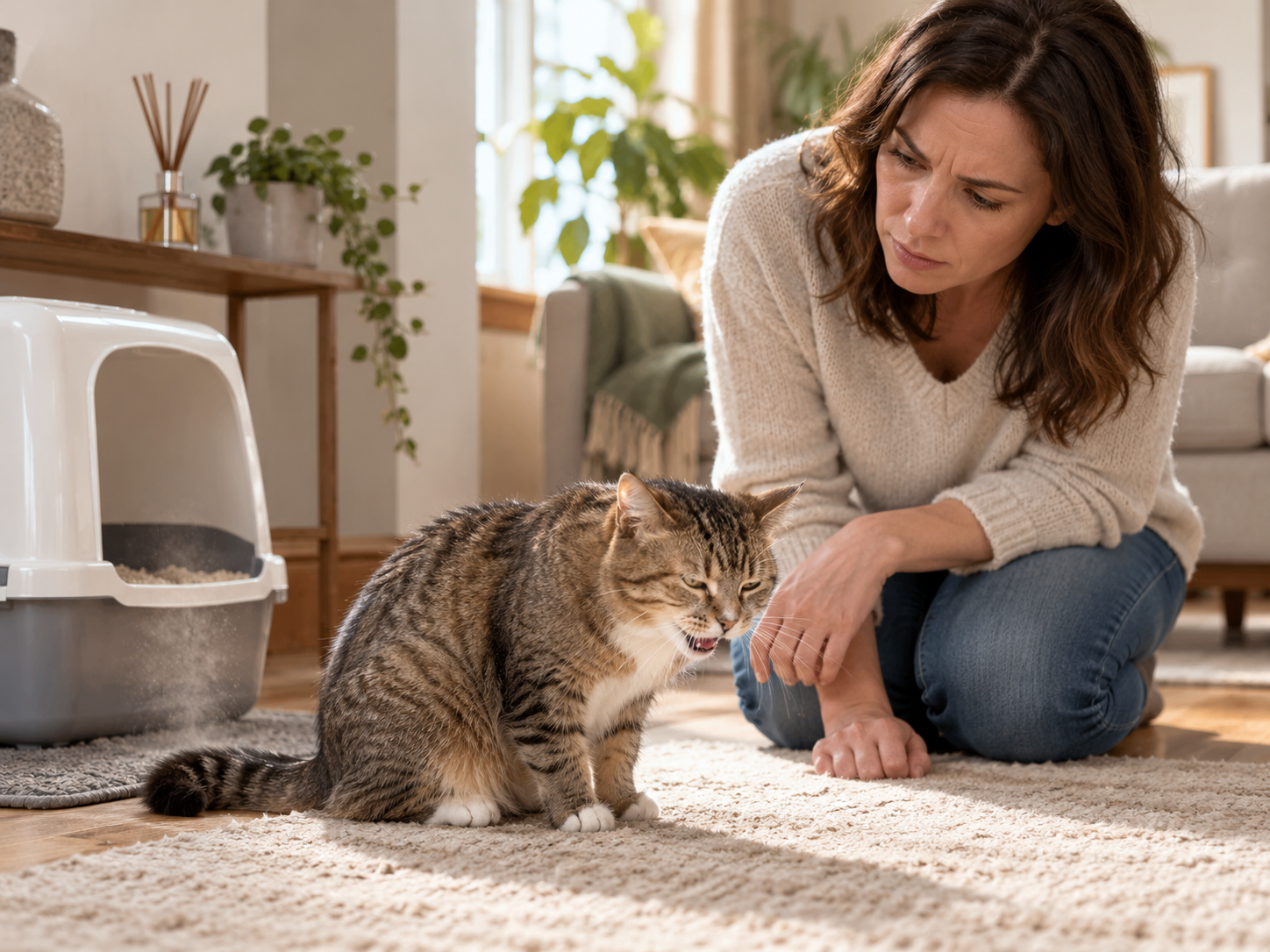
Environmental factors within the home often trigger or exacerbate these respiratory signs. Common indoor irritants include heavily scented air fresheners, aerosol sprays, scented candles, accumulated dust, mold, and certain types of dusty cat litter (Bronchitis in Cats: Signs and When To Call Your Vet). Reducing these airborne irritants can significantly support respiratory comfort, but any persistent respiratory sign requires veterinary diagnosis rather than simple environmental adjustment.
Understanding the mechanics of feline respiration helps owners identify abnormalities early. A healthy resting cat typically takes between twenty and thirty breaths per minute, and breathing should be smooth and silent, with minimal chest or abdominal movement. When respiratory effort increases, you may notice the cat’s flanks moving more noticeably or the neck extending to ease airflow. Feline bronchitis and similar airway diseases cause inflammation that constricts the airways, leading to the characteristic coughing and wheezing noted above. While removing household triggers like scented plugins, aerosols, and dusty litters creates a healthier indoor atmosphere, these measures are supportive rather than curative. A veterinary examination is essential to distinguish between allergies, infections, and chronic inflammatory conditions like feline asthma.
Establishing an Observation Routine and Decision Rules
When managing feline health at home, structured observation helps remove guesswork and ensures timely intervention. Establishing a daily routine to check your cat’s appetite, water intake, litter box output, and activity level makes subtle deviations much easier to spot. Maintain a written or digital log if you notice minor irregularities, noting the exact date, time, and context of the behavior. This record provides invaluable data for your veterinarian during consultations.
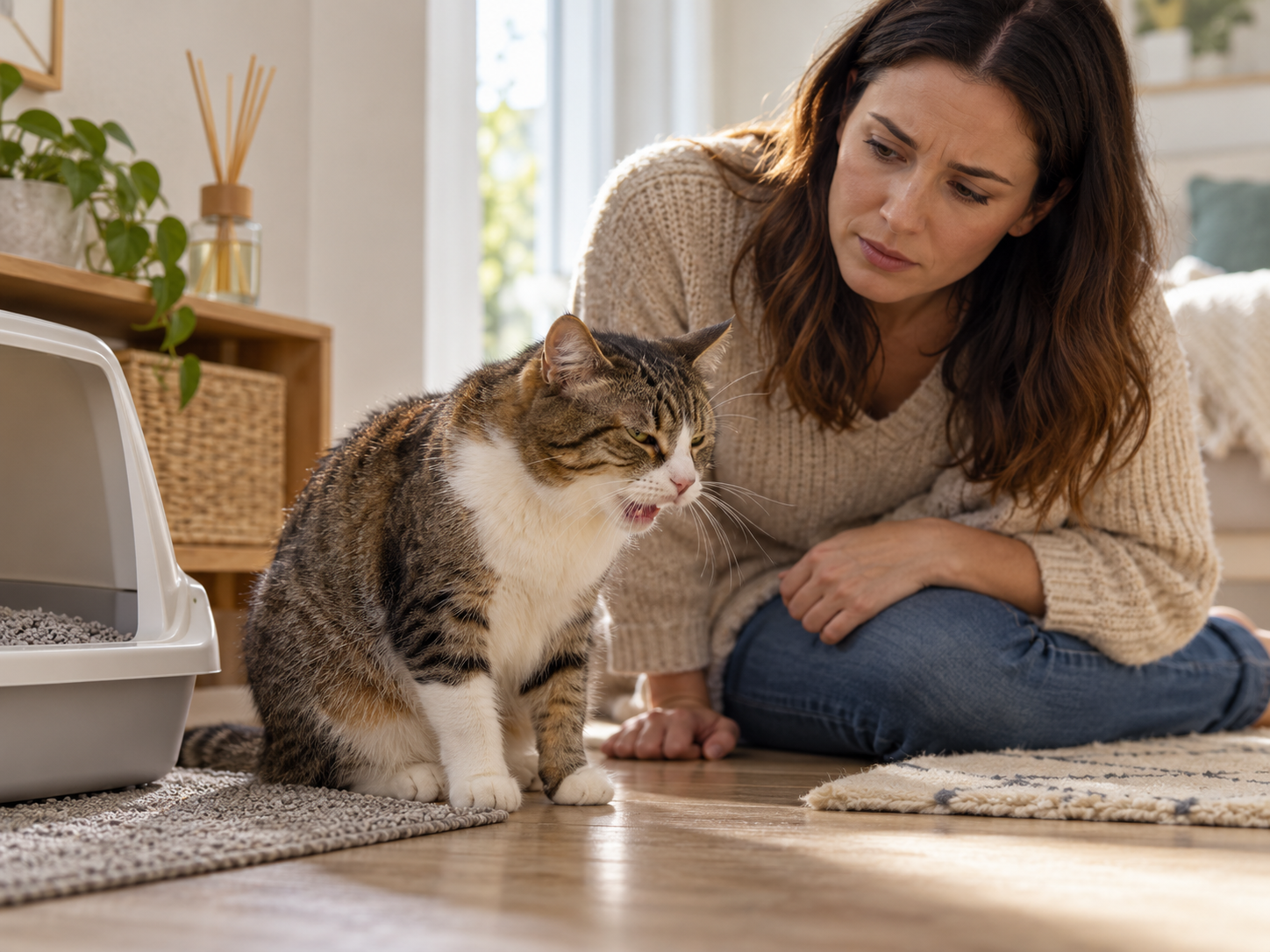
Deciding when to call the veterinarian can be challenging when symptoms are subtle. There is no single safe waiting period for every behavioral change. Sudden, severe, or persistent changes deserve veterinary advice, and breathing difficulty should be treated urgently. Cornell advises that any question about a cat’s ability to breathe comfortably warrants veterinary evaluation right away Cornell Feline Health Center: Dyspnea.
Applying clear decision rules prevents dangerous delays in treatment. If your cat exhibits moderate lethargy or slight aversiveness to touch for a day, close monitoring is appropriate. However, if that lethargy is accompanied by complete inappetence, hiding, or any sign of respiratory distress, professional care should be sought immediately. Never wait for a cat to display overt suffering before seeking help. Professional veterinary assessments ensure that underlying causes—ranging from mild irritations to chronic respiratory disease or systemic illness—are accurately identified and treated. Partnering with your veterinarian early protects your cat’s long-term well-being and respects the unique, individual nature of your relationship.
Preparing for Veterinary Evaluations
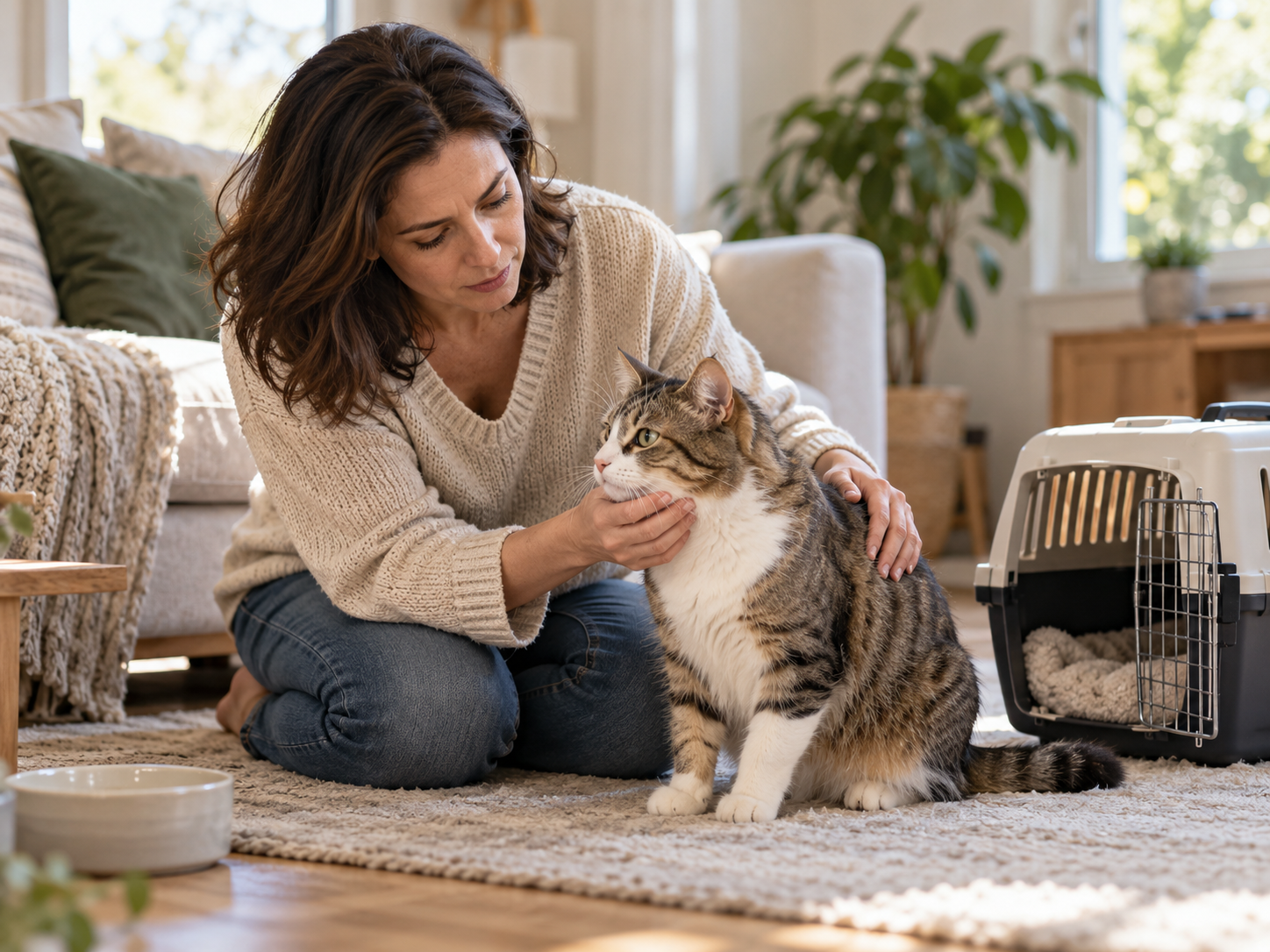
When home monitoring indicates the need for professional care, thorough preparation ensures a productive veterinary visit. Gather your observation logs, noting the duration and frequency of the behavioral shifts or respiratory signs you have recorded. Be prepared to describe your cat’s typical daily routine, recent changes in the household environment, and any potential exposure to household irritants or toxins.
During the examination, your veterinarian will perform a comprehensive physical assessment, which may include listening to your cat’s lungs and heart, evaluating joint mobility, checking dental health, and running diagnostic tests such as blood work, fecals, or diagnostic imaging. Honest and detailed communication about what you have observed at home allows the veterinary team to formulate an accurate diagnosis and an effective treatment plan. Following through with prescribed medications, environmental modifications, and follow-up appointments ensures that your cat returns to a comfortable baseline as quickly as possible.
Frequently Asked Questions
What are common early signs that a cat might be sick?
Early signs often include subtle changes in routine, such as reduced appetite, increased hiding, reluctance to jump, minor shifts in litter box habits, or a quieter, more withdrawn demeanor.
How can I tell if my cat’s coughing is a veterinary emergency?
Coughing, wheezing, or any visible difficulty breathing should be evaluated by a veterinarian promptly. If your cat is experiencing open-mouth breathing, blue-tinged gums, or extreme respiratory distress, treat the situation as an immediate emergency.
What environmental factors can trigger feline respiratory issues?
Common household triggers include air fresheners, scented candles, aerosol sprays, tobacco smoke, household dust, mold spores, and dusty litters that irritate sensitive feline airways (Bronchitis in Cats: Signs and When To Call Your Vet).