For cat owners who share a deep, meaningful bond with their animal companions, watching a beloved feline enter their later years brings a mix of tenderness and vigilance. When a cat begins to slow down, it is easy to attribute every extra nap or hesitation to the natural passage of time. However, understanding what is typical for an aging cat—and what signals an underlying health concern—ensures that your senior companion receives the comfort and veterinary support they deserve.
Recognizing the Senior Milestone: When Does Aging Begin?
Determining when a cat officially enters their senior years is the first step in tailoring their daily care. Current AAHA/AAFP life-stage guidance classifies cats over 10 years of age as senior, while emphasizing that individual aging and care needs vary 2021 AAHA/AAFP Feline Life Stage Guidelines. While some felines remain remarkably spry well into their teens, others begin showing signs of physiological slowing earlier. Pet owners frequently spot slight changes in behavior, energy levels, and appearance during this window, raising important questions about whether these shifts reflect normal aging or underlying medical issues Source. Recognizing this milestone helps you adjust your expectations and pay closer attention to your cat’s daily habits.
As felines progress through this senior window, understanding the difference between normal age-related transitions and clinical symptoms becomes vital. Because individual cats age at different rates, looking closely at your specific cat’s baseline behavior rather than relying solely on calendar age provides the most accurate gauge of their health status. When you notice subtle shifts in how they navigate their environment, interact with household members, or manage their daily routines, documenting these changes can help your veterinarian provide targeted support.
Normal Aging vs. Subtle Warning Signs: What to Look For
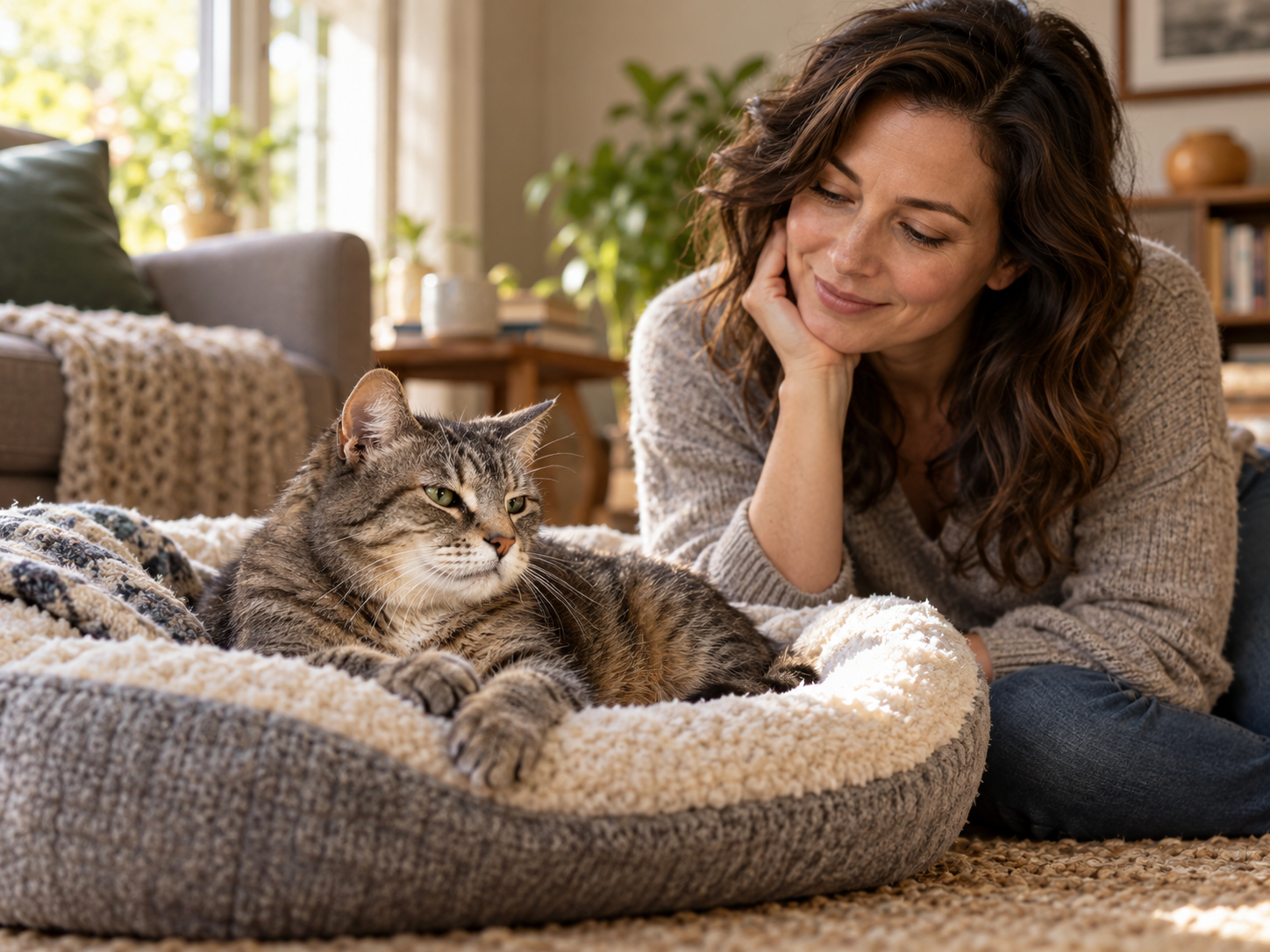
As cats mature, their daily routines naturally evolve. Gradual decreases in activity, shorter play periods, and increased napping can be normal parts of aging in mature and senior cats. Owners frequently notice that their cats enjoy shorter play sessions, tire more quickly, and settle into longer, deeper naps than they did in their youth Source. Sleeping more and slowing down around 12 or 13 years old can be an entirely expected part of the aging process Source.
However, veterinary professionals recommend monitoring behavioral shifts in older cats to rule out underlying health problems rather than assuming all slowing down is purely cosmetic or age-related. Because cats are notoriously adept at masking discomfort, subtle changes in temperament, reduced grooming, or reluctance to engage with household routines should be evaluated by a veterinarian rather than dismissed as mere seniority.
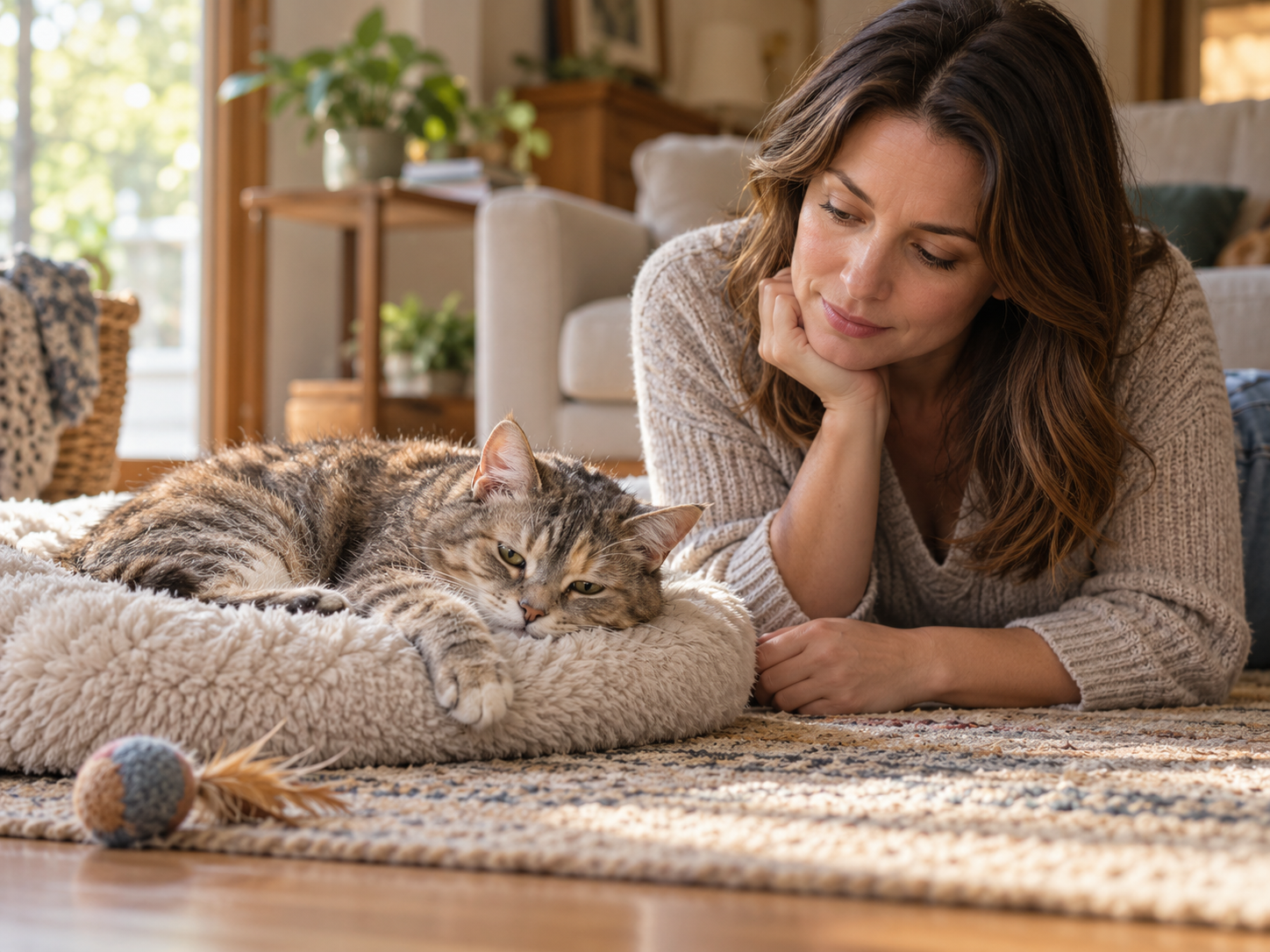
When monitoring an aging cat, owners should look for specific patterns rather than isolated incidents. A cat that gradually reduces playtime over several months is often exhibiting normal senior progression. Conversely, a cat that suddenly stops jumping, hides away for days, or shows a drastic change in appetite is displaying warning signs that require professional evaluation. Maintaining a daily log of eating, sleeping, and activity patterns can help clarify whether a change is gradual and benign or sharp and potentially medical.
Stoic Cats and Hidden Pain: Investigating Mobility and Joint Health
One of the greatest challenges in senior cat care is their stoic nature. Cats rarely cry out or show obvious signs of distress when dealing with chronic discomfort such as osteoarthritis. Instead, they adapt quietly by stopping certain behaviors—such as jumping onto favorite windowsills, climbing to high perches, or navigating stairs with their former agility.
Because these movement changes often develop gradually, owners may mistake them for simple laziness. Veterinary professionals emphasize that hesitation to jump or stiffness upon rising often points to joint pain or other medical conditions requiring professional diagnosis Source. Ensuring regular veterinary check-ups allows professionals to assess mobility, examine joint health, and discuss appropriate pain management or supportive therapies tailored to your cat’s specific needs.
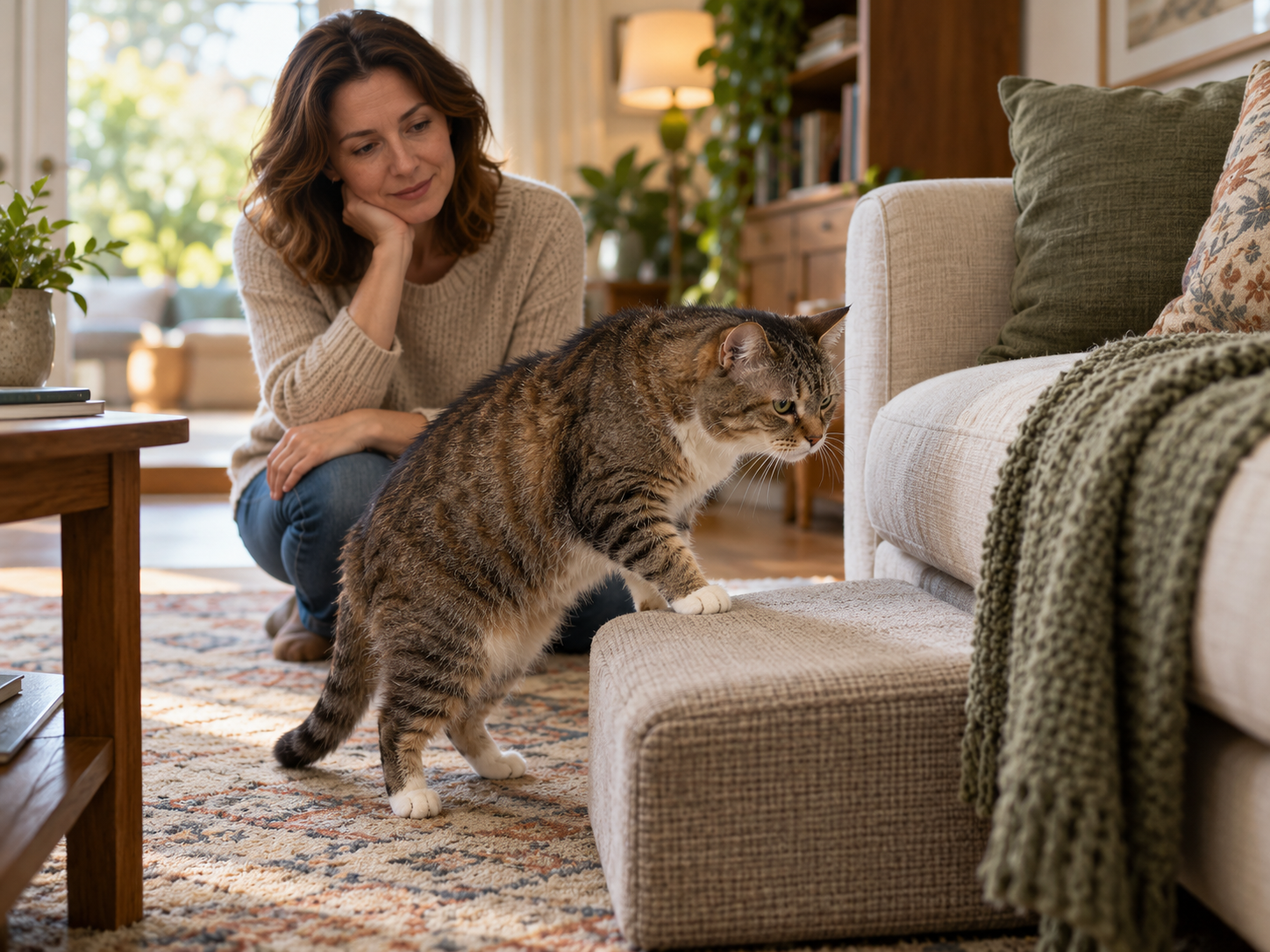
Understanding how cats mask pain is essential for every senior pet owner. In the wild, showing vulnerability makes an animal a target, an instinct that domestic cats retain fiercely. When a cat with joint degeneration stops leaping onto the bed, they are not simply getting lazy; they are calculating whether the physical cost of the jump is worth the effort. Recognizing this quiet compromise allows you to step in with veterinary guidance, environmental modifications, and appropriate relief before chronic pain severely diminishes your cat’s daily joy and mobility.
Adapting the Routine and Environment for Your Senior Cat
As felines transition through their senior years, their daily requirements change just as human needs do. Senior cats require adjustments in nutrition, home environment setup, and mobility support as their physiological needs evolve. Because senior pets have different nutritional and physical requirements than younger animals, making thoughtful changes to their daily care helps maintain their health and comfort Source.
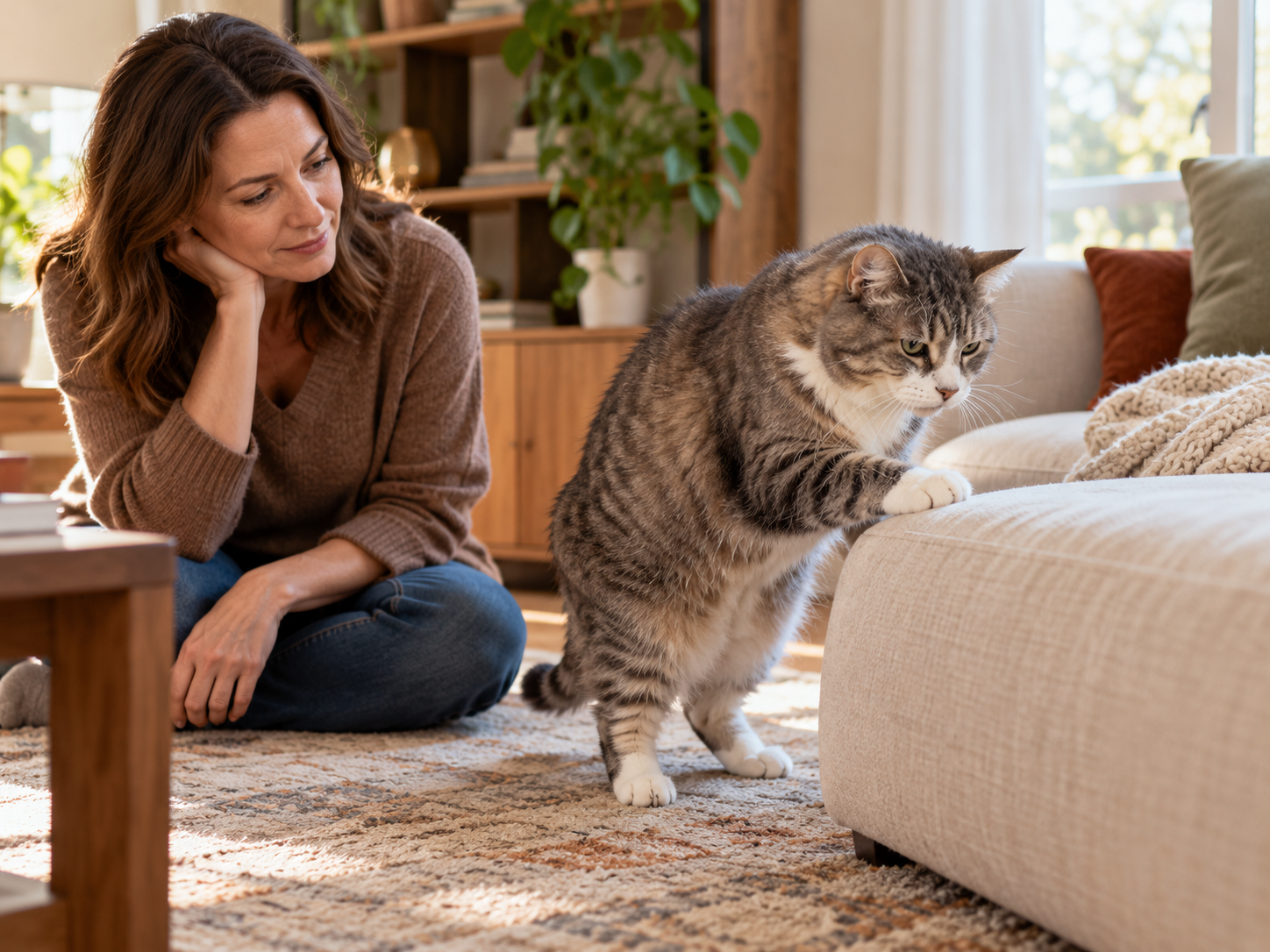
Practical home modifications can make a profound difference in an older cat’s quality of life. Consider introducing the following supportive measures:
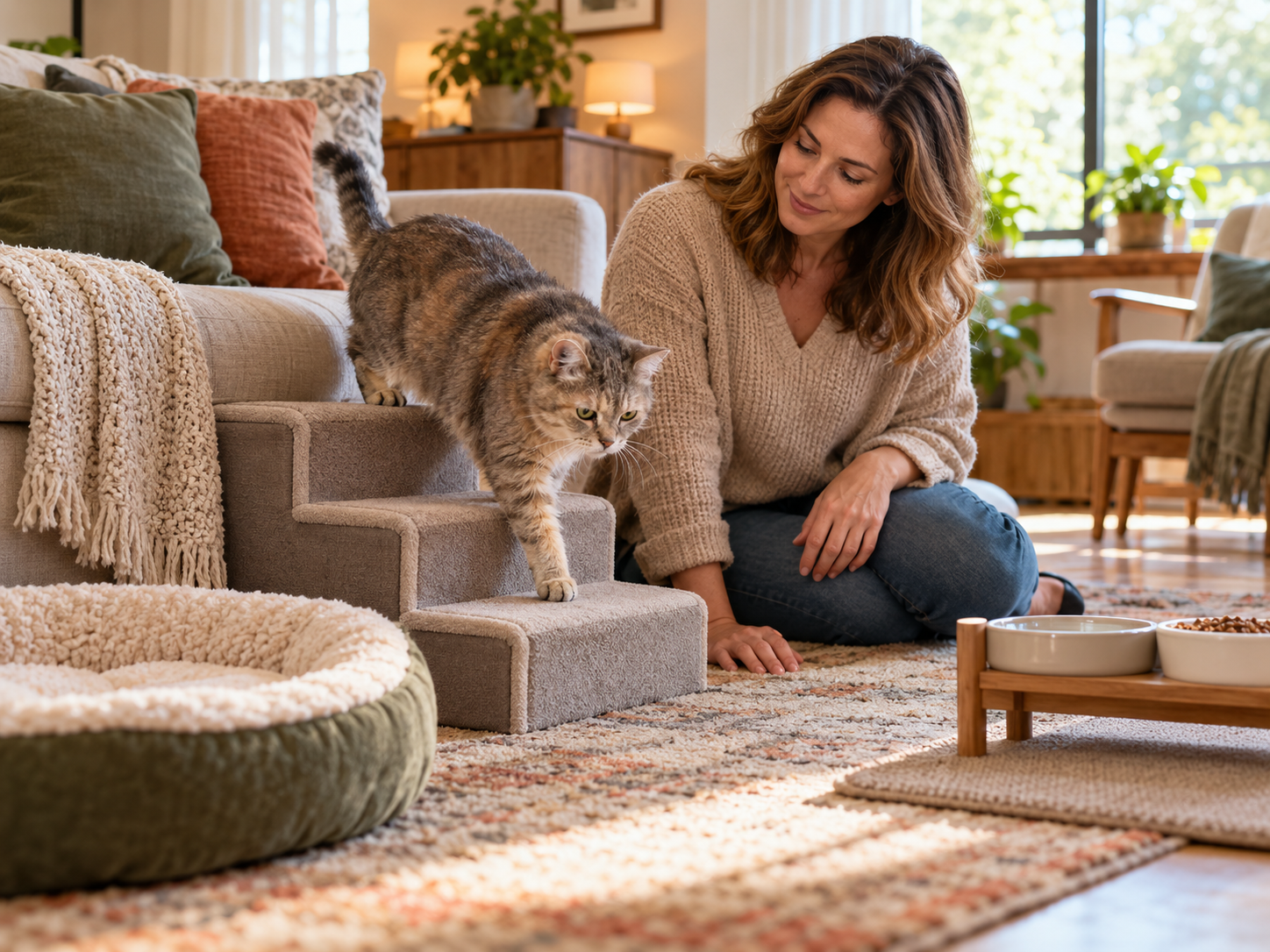
- Stairs and Ramps: Place sturdy pet steps or gentle ramps near favorite sleeping spots, couches, or beds to reduce strain on jumping joints.
- Accessible Litter Boxes: Choose litter boxes with low sides so cats with stiff hips or arthritis can step in and out without discomfort.
- Plush, Warm Bedding: Provide extra-cushioned, easily accessible beds in quiet, warm areas of the home free from cold drafts.
- Resource Placement: Ensure food, water, and resting areas are located on the main floor so your cat does not have to navigate stairs for basic daily needs.
Implementing these adjustments does not require an entire home renovation; rather, it involves observing where your cat encounters daily friction and removing those physical barriers. For instance, if your senior cat loves spending time on a sunny windowsill but hesitates before jumping, placing a sturdy step stool or a carpeted ramp beneath the window restores their access without demanding painful leaps. Similarly, moving water bowls and food dishes to easily reachable, quiet corners ensures that daily sustenance never becomes an exhausting chore.
Partnering with Your Veterinarian Through the Senior Years
Navigating the senior stage successfully requires a collaborative partnership between you and your veterinary team. Because aging felines face an increased risk of dental disease, kidney changes, endocrine disorders, and joint stiffness, routine wellness checks should transition from annual visits to semi-annual examinations. These frequent check-ups allow your veterinarian to establish a reliable health baseline, catch subtle laboratory shifts early, and adjust care plans as your cat’s physiological needs continue to evolve.
Preparing for veterinary visits by noting any behavioral shifts, changes in litter box habits, or minor hesitations in movement ensures that your appointment addresses your cat’s most pressing needs. Discussing pain management options openly with your veterinarian can unlock therapies that dramatically improve mobility and overall comfort. By combining a keen eye for behavioral changes with proactive veterinary care and a thoughtfully adapted home environment, you can ensure your senior cat enjoys comfort, dignity, and deep companionship throughout their golden years.