
When new cat parents bring a feline companion home, the journey into shared living is often filled with joy alongside unexpected challenges. New cat parents often make preparation and behavioral mistakes due to a lack of information Common Mistakes Made by New Cat Parents. When unwanted behaviors arise—such as scratching furniture, counter surfing, or vocalizing at night—well-meaning owners frequently reach for traditional disciplinary tactics borrowed from canine training approaches. However, cats are distinct species with unique social structures, sensory experiences, and cognitive responses. Understanding why traditional methods fail is the first step toward building a respectful, harmonious relationship with your cat.
The Pitfalls of Aversives: Spray Bottles, Noise, and Punishment
A common reflex when a cat engages in undesirable behavior is to spray them with water, rattle a can of coins, or scold them loudly. These punitive tools are marketed as quick fixes, but behavior specialists emphasize that using spray bottles and punishment creates fear and distrust rather than teaching desired behaviors Common Mistakes Made by New Cat Parents.
Cats do not connect the sudden burst of water or the loud noise with their own misbehavior. Instead, they associate the unpleasant sensation with the human holding the spray bottle or with the immediate environment. Consequently, the cat learns to be fearful of you or becomes secretive, performing the unwanted behavior only when you are out of sight. Rather than understanding that scratching the sofa is forbidden, the cat learns that hands and humans are unpredictable and intimidating. This damages the emotional bond between owner and cat, introducing chronic stress that can manifest as new behavioral issues like inappropriate elimination or hiding.
To break this cycle, it helps to examine what aversive stimuli actually communicate to a feline. When a cat is startled by a physical deterrent, their nervous system registers a threat from the immediate handler. Over time, this conditioning erodes the foundation of trust necessary for cooperative living. By eliminating aversive techniques entirely, you remove an invisible barrier of fear, allowing your cat to relax in your presence and respond more predictably to gentle guidance.

Understanding Forced Physical Contact and Cat Boundaries
Another frequent misstep involves physical boundaries. Humans naturally express affection through hugs, kisses, and prolonged petting sessions. For cats, however, intense physical restraint or continuous stroking can quickly become overwhelming and overstimulating.
Recognizing behavioral changes promptly and respecting a cat’s physical boundaries is vital for maintaining trust How to Avoid Common Cat Health Mistakes. Cats communicate comfort and discomfort through subtle body language: a twitching tail tip, flattened ears, rippling skin along the back, or a sudden swivel of the head toward your hand. When owners ignore these signals and persist in forced cuddling, cats may resort to biting, swatting, or scratching to enforce the boundaries they tried to communicate politely first. Respecting when a cat walks away or signals saturation helps them feel secure in their home environment.
Understanding these bodily cues requires attentive observation during everyday interactions. A relaxed cat typically displays soft eyes, upright ears, and a loose posture, whereas a cat approaching its tolerance threshold exhibits tension in the musculature or sudden tail flicking. Paying close attention to these warning signs allows you to stop petting before the cat feels compelled to defend themselves. This builds immense confidence, teaching your cat that their subtle signals are heard and respected by their human companions.

Unintentional Reinforcement: How Accidental Rewards Happen
In human-animal interactions, timing is everything. A major hurdle in resolving nuisance behaviors is that accidental rewards reinforce unwanted behaviors when timing aligns with the cat’s action Common Mistakes Made by New Cat Parents.
Consider a cat that meows persistently at 5:00 AM for breakfast. If the tired owner gets up and feeds the cat just to secure some quiet, the cat learns an unmistakable lesson: loud, sustained vocalization yields food. Even though the owner’s intention was to stop the noise, the immediate delivery of food acts as a powerful reward for the exact behavior the owner dislikes. Similarly, if a cat scratches a door and the owner jumps up to investigate or scold, the cat receives attention—which can be a prized currency. Recognizing these inadvertent feedback loops allows owners to withhold reinforcement for behaviors they wish to extinguish.
Consistency is the primary mechanism for dismantling accidental reinforcement. If a cat learns that persistence eventually pays off, the unwanted behavior becomes intermittent and thus extremely resistant to change. By establishing predictable routines—such as feeding only when the cat is quiet and calm—you reshape the animal’s understanding of how to communicate needs effectively without resorting to disruptive habits.
Positive Alternatives: Behavior-Based Solutions and Preventive Care
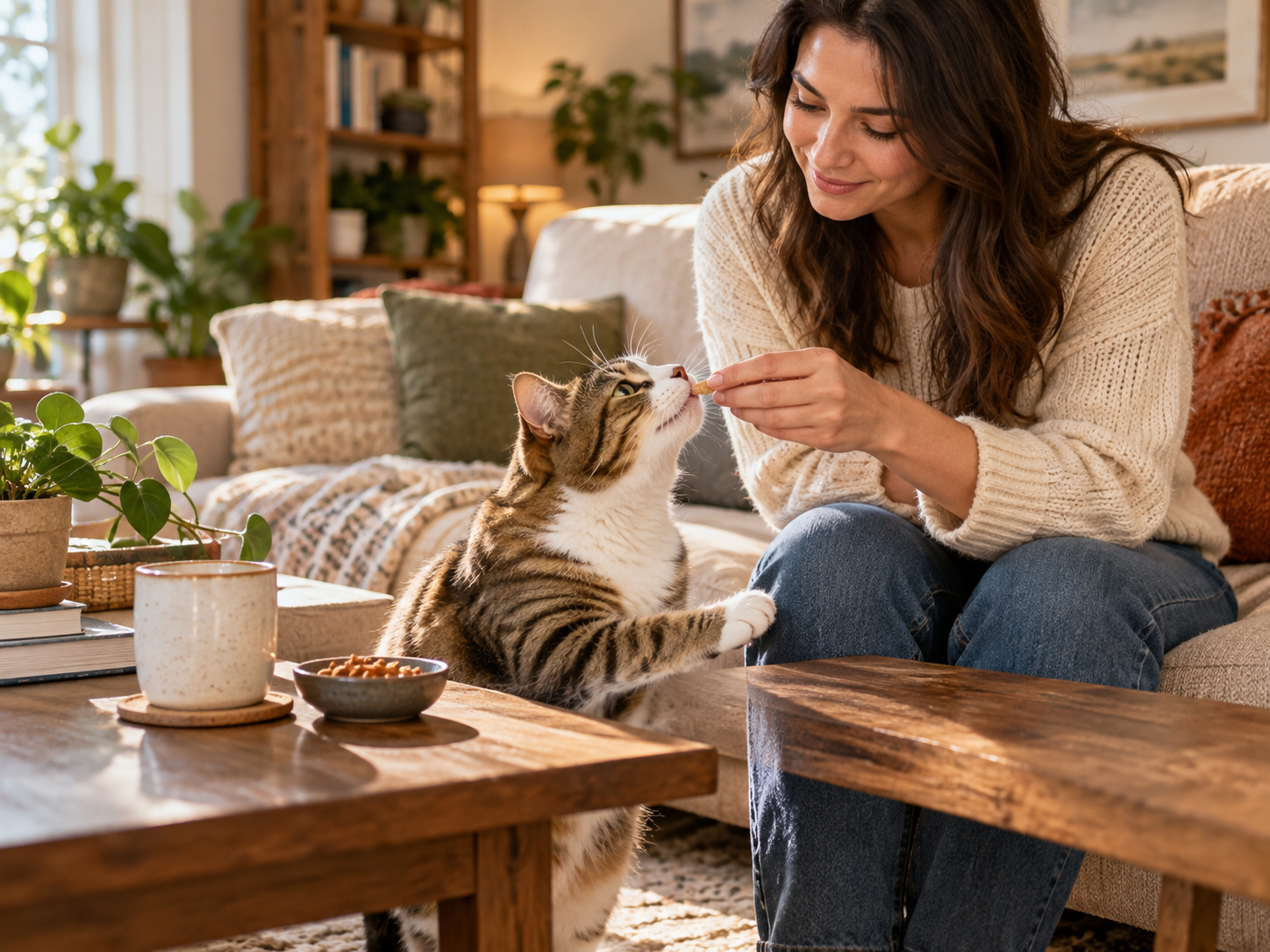
Shifting away from punishment requires adopting positive, proactive strategies. Behavior specialists and veterinary resources emphasize positive reinforcement and environmental management Common Mistakes Made by New Cat Parents, How to Avoid Common Cat Health Mistakes.

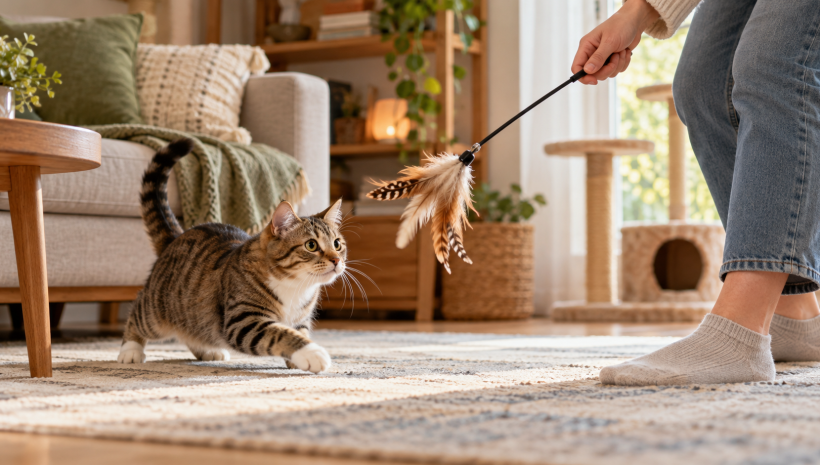
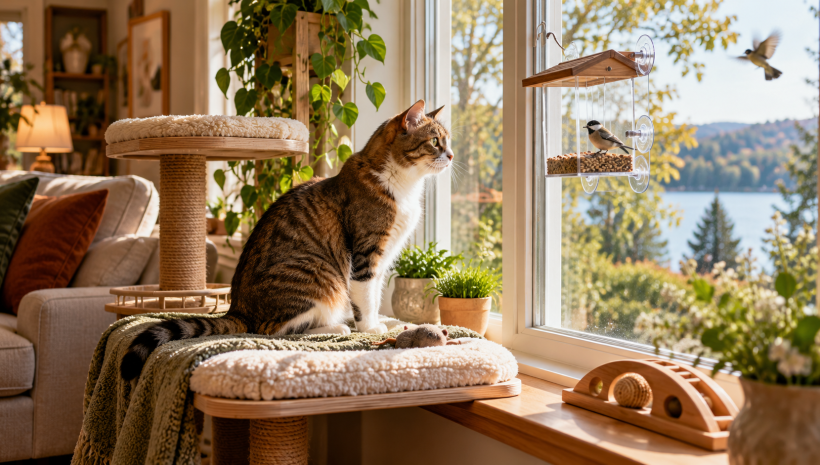
Environmental management means setting your cat up for success before issues start. If a cat scratches furniture, provide appealing scratching posts made of sisal or cardboard placed right next to the preferred scratching spots, and reward the cat with treats or praise when they use them correctly. If a cat countersurfs, clear food items away and provide a high vertical perch nearby where they can observe family activities peacefully.
Routine veterinary checkups are equally essential. Sudden behavioral shifts—such as indoor elimination, aggression during handling, or lethargy—often signal underlying medical discomfort rather than mere disobedience How to Avoid Common Cat Health Mistakes. Prioritizing health evaluations ensures your cat is not reacting to pain or illness when acting out of character.
Implementing these positive alternatives transforms daily routines into opportunities for learning. When you redirect undesirable scratching to appropriate surfaces and reward correct choices, you guide your cat toward acceptable outlets for natural instincts. Combined with regular veterinary oversight to rule out hidden medical concerns, this proactive framework ensures long-term behavioral stability and physical well-being.
By replacing spray bottles with redirection, honoring physical boundaries, and avoiding accidental rewards, you create a predictable, safe environment. When you approach your cat’s training with patience and respect for their natural instincts, you strengthen a meaningful relationship built on mutual trust.
Frequently Asked Questions
Why are spray bottles ineffective for cat training?
Spray bottles cause fear and confusion rather than teaching appropriate alternatives. Cats learn to fear the person holding the bottle or become secretive, performing unwanted actions when humans are absent.
How can I tell if my cat is uncomfortable with physical contact?
Watch for subtle body language cues such as a twitching tail tip, flattened ears, skin rippling along the back, or turning the head toward your hand. These signs indicate it is time to give your cat space.
What is an accidental reward in cat training?
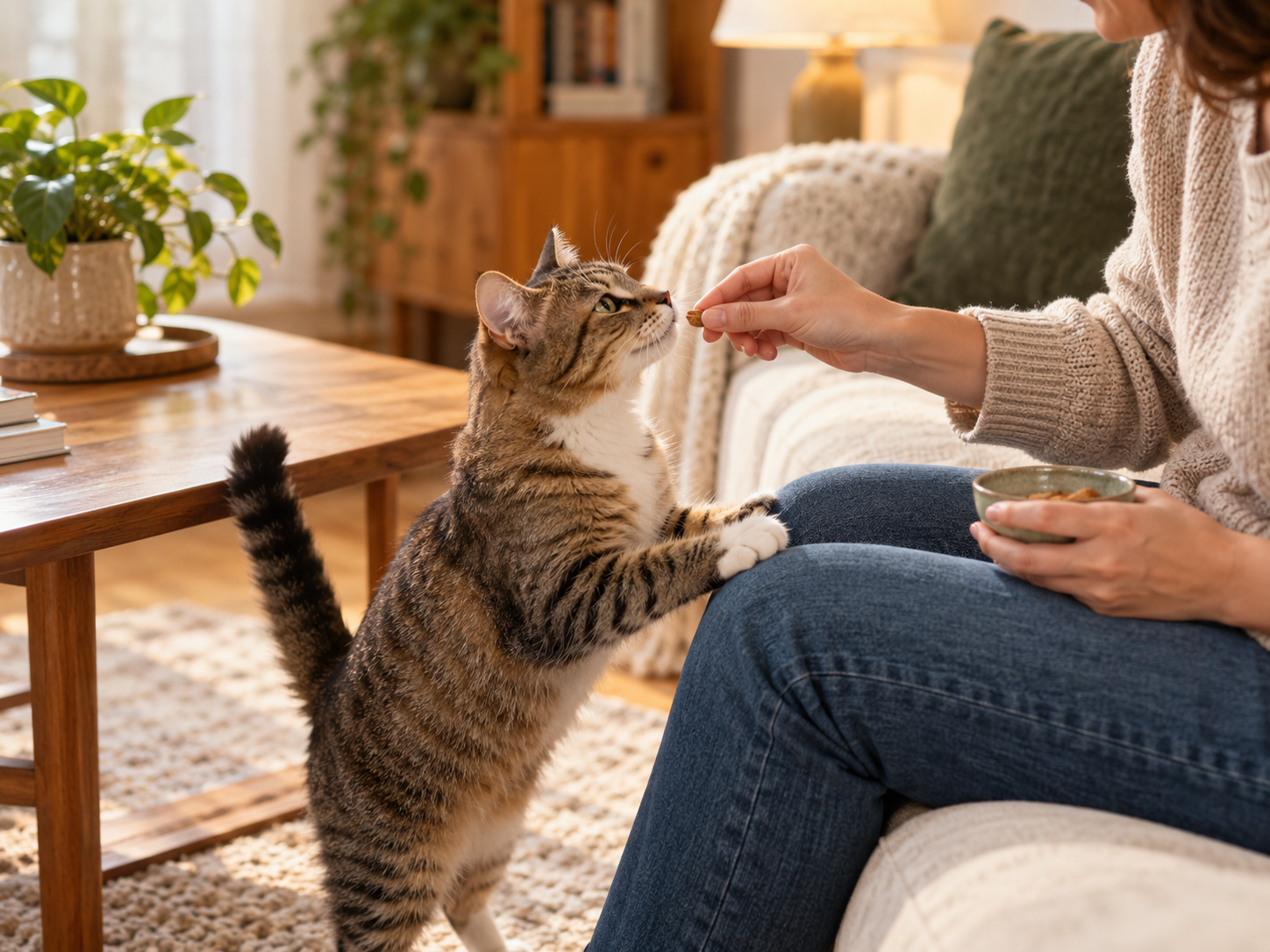
An accidental reward occurs when an owner unintentionally reinforces an unwanted behavior—such as feeding a cat that meows early in the morning or giving attention when a cat scratches a door—thereby teaching the cat that the behavior works.
What methods should I use instead of punishment?
Focus on positive reinforcement, environmental management (such as providing correct scratching posts or perches), and rewarding desired behaviors with treats or praise.