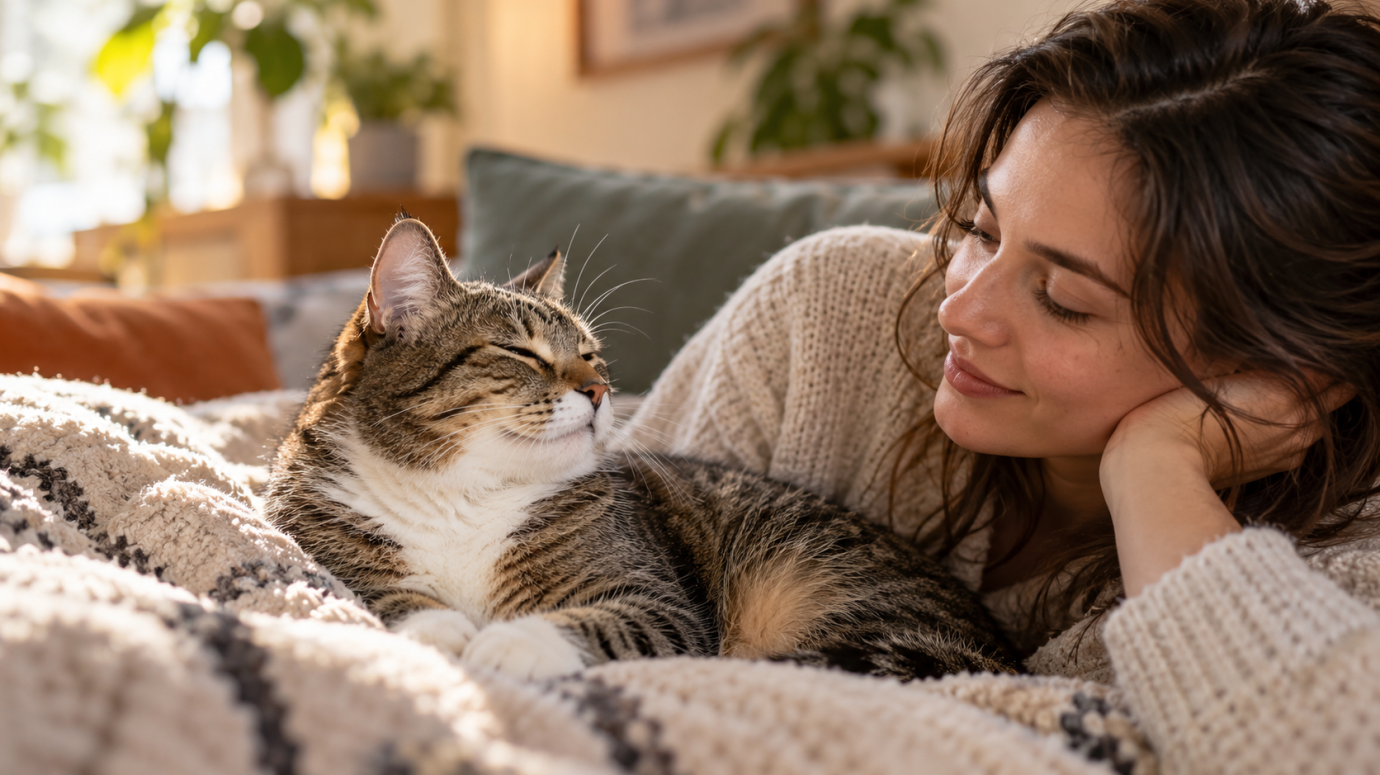
For anyone who shares their home with a cat, quiet moments of shared observation are a familiar part of daily life. Among the most endearing expressions in the feline repertoire is the slow blink—a deliberate, unhurried closing and reopening of the eyes. Cat owners have long interpreted this gentle gesture as an expression of affection and contentment. In recent years, scientific studies have begun to examine whether this behavioral cue truly signifies trust, confirming that slow blinking functions as a meaningful form of positive communication between cats and humans Source.
Understanding what scientific research reveals about this behavior helps owners decode their cats’ intentions, strengthen daily bonds, and respond in ways that promote a comfortable, stress-free environment.
What Research Reveals About the Cat Slow Blink
Scientific investigation into feline facial expressions has provided concrete support for what observant owners have long believed. Studies conducted in 2020 and expanded through subsequent behavioral research demonstrate that slow blinking acts as a positive communication signal that encourages cats to approach and feel comfortable around humans Source.
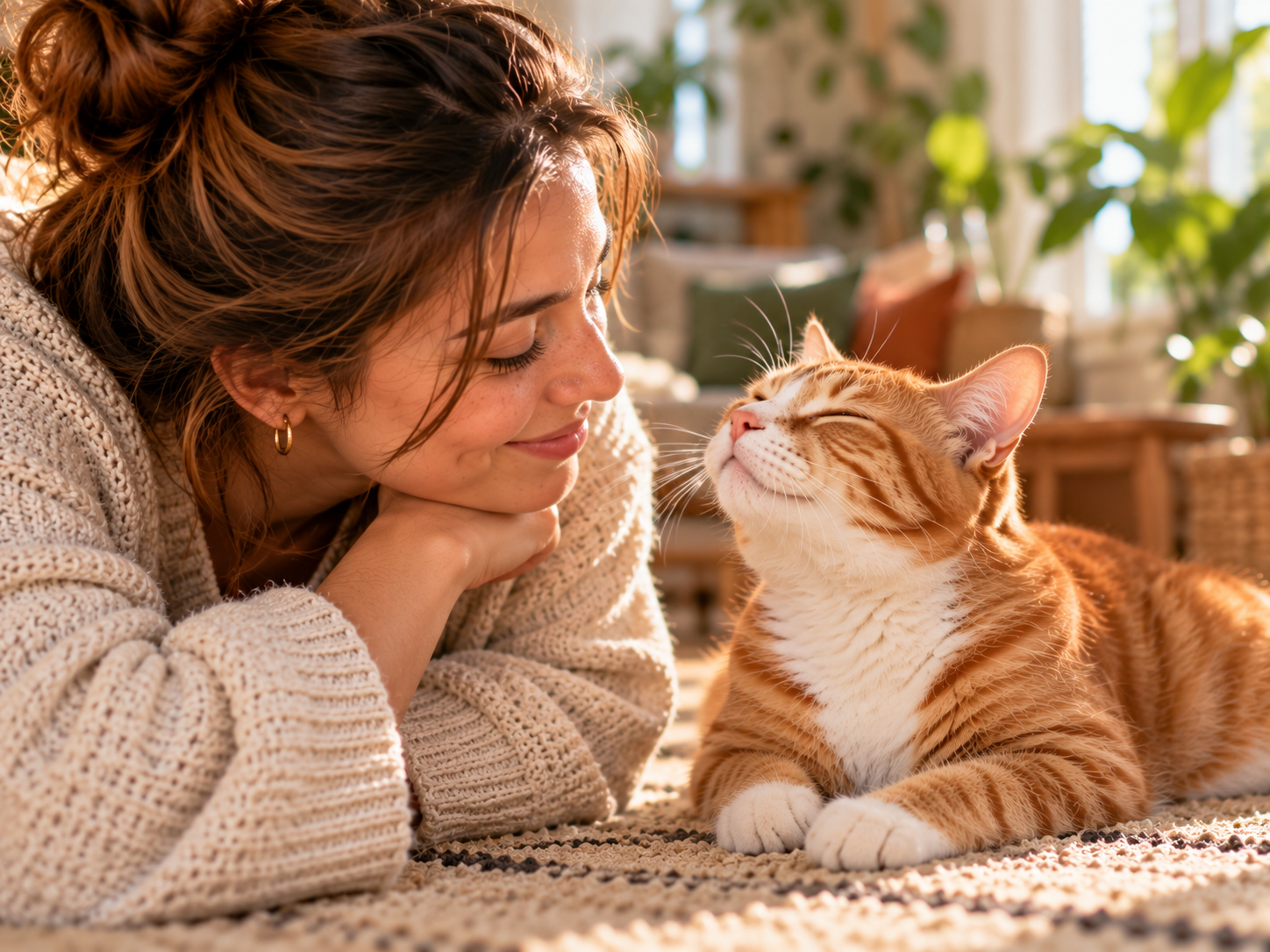
In controlled experiments, researchers observed how domestic cats interacted with both their owners and unfamiliar human participants. The findings revealed that cats are more likely to slow blink at humans who have just slow-blinked at them compared to humans who maintain a neutral expression. Furthermore, researchers observed that slow blinking helps familiar and unfamiliar cats engage more openly with humans, effectively reducing perceived tension and signaling a lack of threat Source.
In the broader context of animal behavior, direct eye contact is often interpreted by predators as a sign of aggression or a challenge. By deliberately breaking eye contact through a slow, relaxed blink, a cat communicates peaceful intentions. Cats use slow blinking to signal affection and trust toward their human companions, translating an instinctual reduction of vulnerability into a gesture of social bonding Source. Detailed observations across multiple settings show that this visual exchange lowers defensive barriers, allowing both parties to share space peacefully without anxiety or sudden flight responses.
How Cats Communicate Intention and Comfort
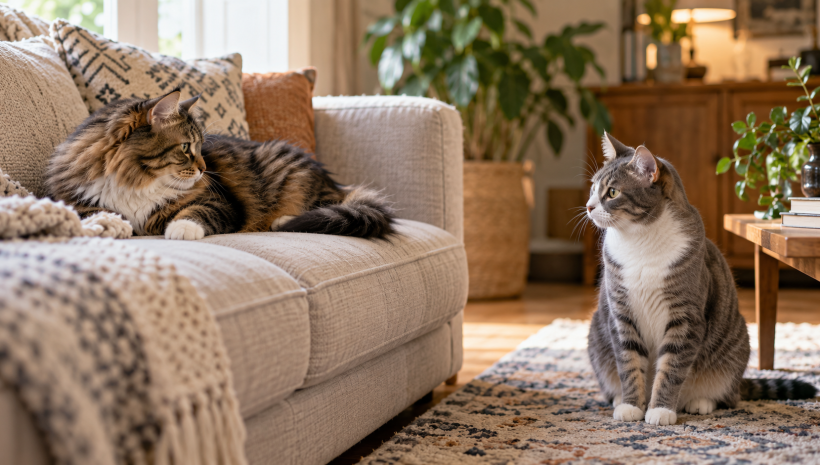
Veterinary insights and behavioral observations help owners decode facial expressions and feline intentions beyond the slow blink alone. Because cats rely heavily on subtle body language—including ear positioning, whisker orientation, and tail posture—interpreting facial cues requires looking at the animal’s overall state of relaxation. Observing these physical indicators alongside eye movements ensures that owners accurately interpret whether a cat is genuinely content or simply tolerating a situation.
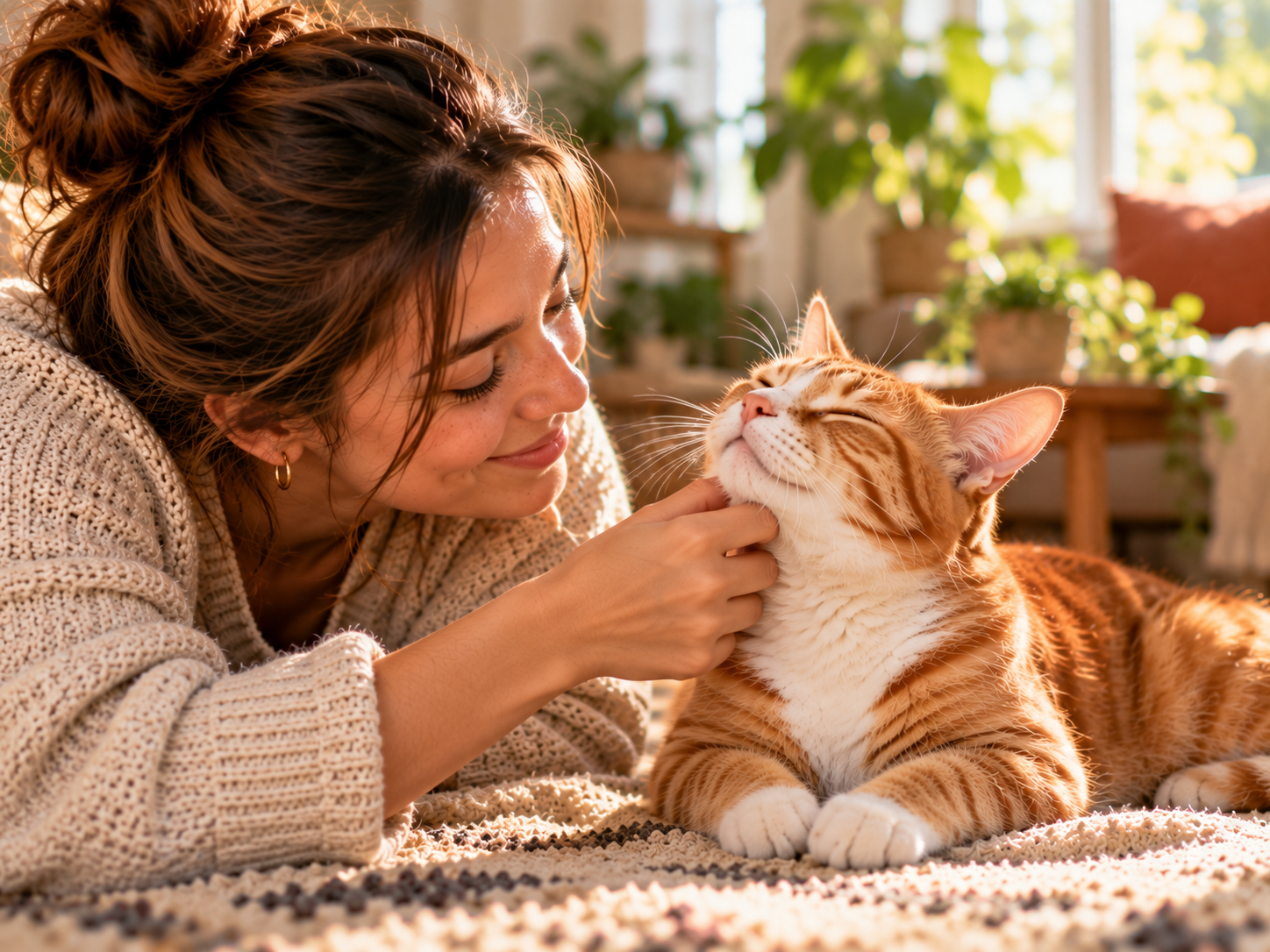
According to veterinary guidance from organizations like Banfield Pet Hospital, slow blinking is a key behavior that communicates how cats are feeling and helps owners decode their intentions Source. When a cat feels secure in its environment, its facial muscles soften, its eyes may narrow lazily, and it may initiate or return a slow blink. Conversely, a cat experiencing stress or fear will typically keep its eyes wide open, pupils dilated, and gaze fixed without blinking, remaining on high alert.
Recognizing these distinctions allows cat owners to respect individual boundaries. Every cat possesses a unique temperament; while one cat may readily exchange slow blinks with a human companion across the room, another may prefer more subtle acknowledgment, such as a gentle head turn or relaxed posture. Respecting these individual differences ensures that communication remains comfortable for the cat and prevents accidental provocation during quiet interactions.
Strengthening Your Bond Through Intentional Blinking
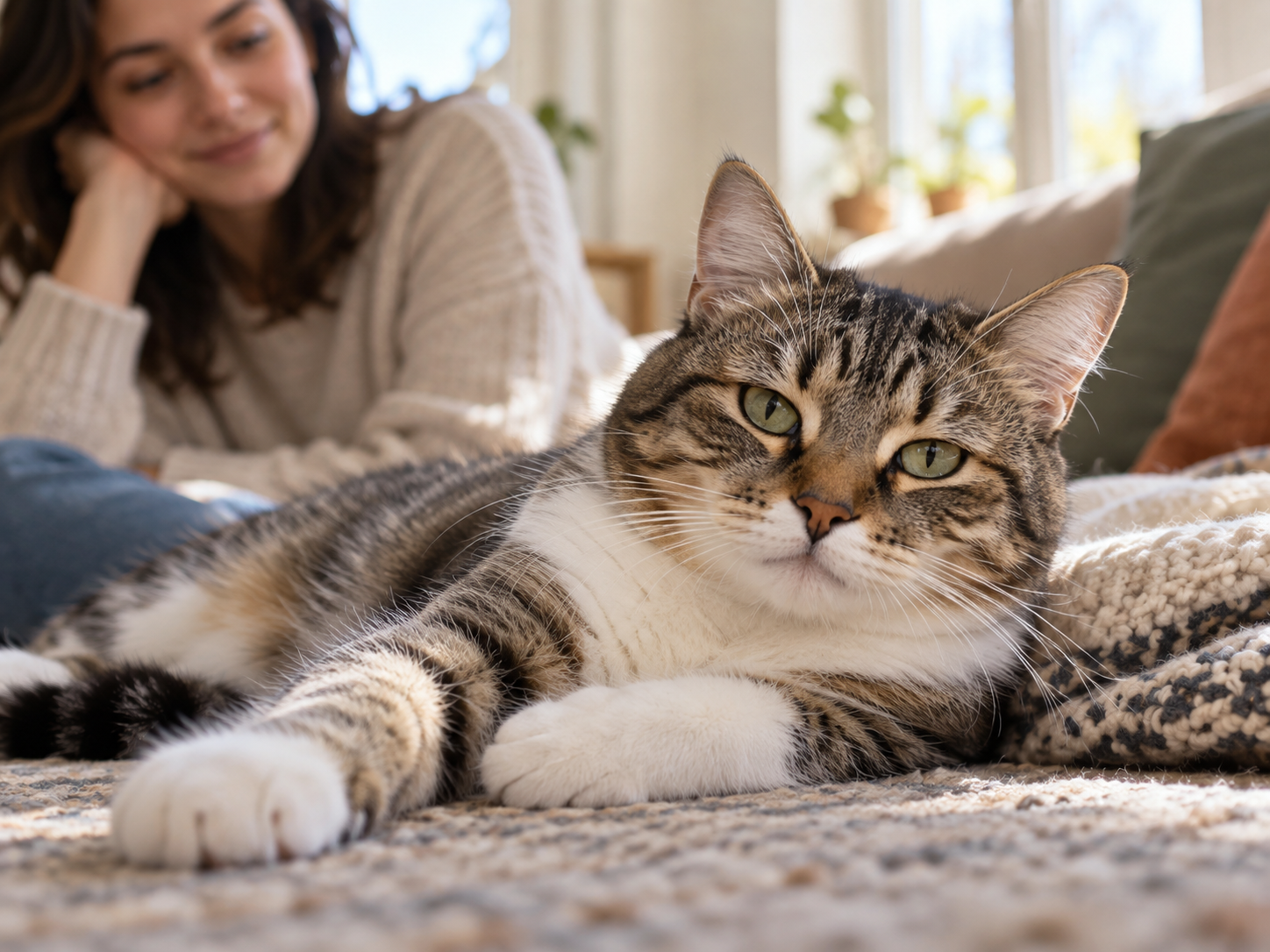
For cat owners seeking to deepen their relationship with both familiar pets and newly adopted cats, intentional slow blinking offers a simple, evidence-based tool. Because research confirms that slow blinking acts as a positive communication signal that encourages cats to approach and feel comfortable around humans, owners can actively participate in this visual dialogue Source. Practicing this structured interaction builds predictable routines that help animals acclimate to human presence over time.
To practice intentional slow blinking effectively:
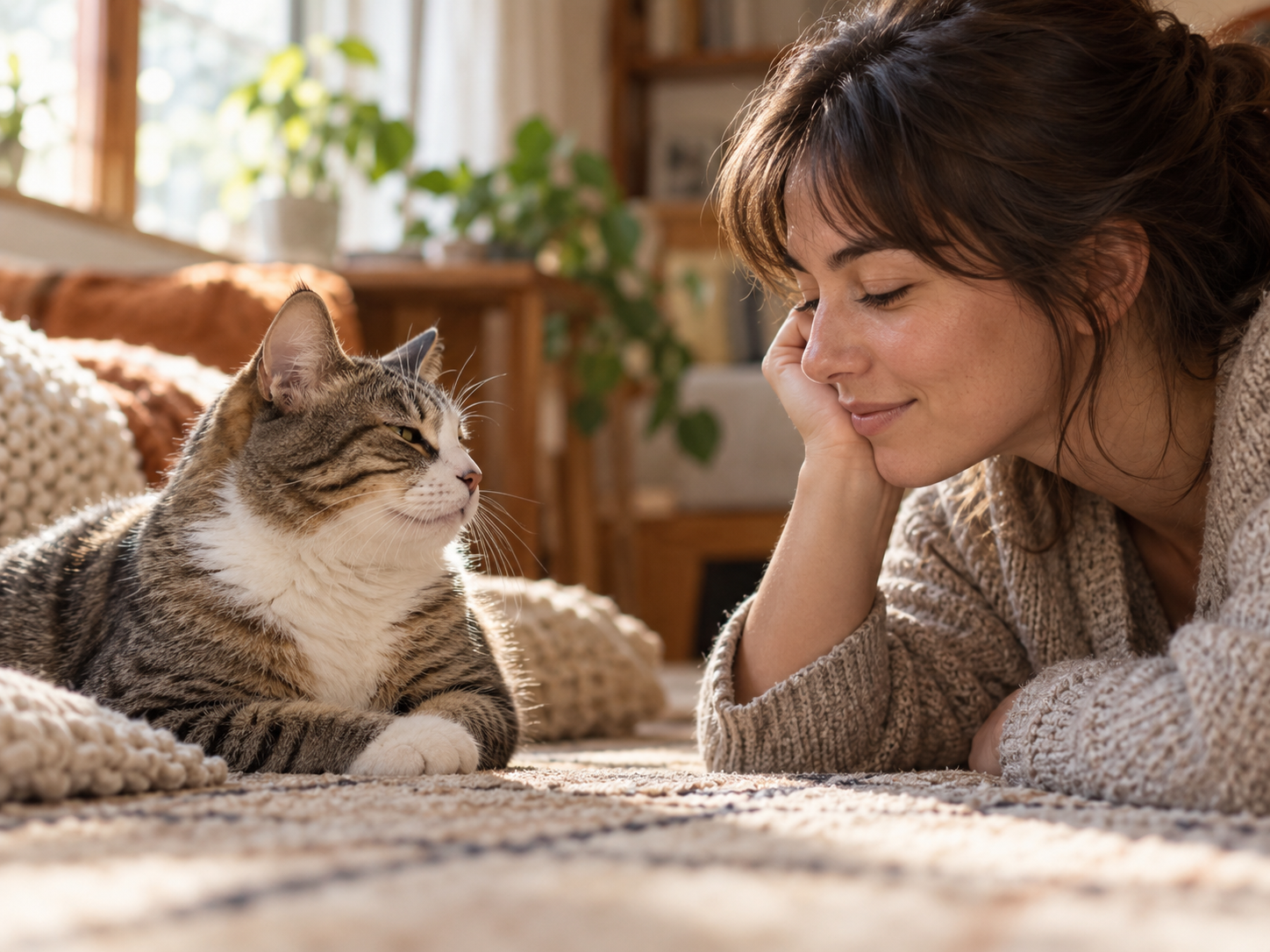
1. Establish a comfortable distance: Sit or stand a few feet away from your cat without looming over them. Give them plenty of physical space so they feel entirely safe. 2. Wait for relaxed attention: Ensure your cat is looking in your general direction and is calm, rather than focused on play or startled by environmental noises. 3. Initiate a soft gaze: Look gently toward your cat, softening your eyes without locking into an intense, unblinking stare. 4. Blink slowly: Close your eyes slowly and completely for a second or two, then open them just as gradually. 5. Observe the response: Watch for a return blink, softened ears, or a relaxed shift in posture. Never force interaction if the cat looks away or walks off.
By incorporating this gentle practice into daily routines, owners can reinforce feelings of security and affection, supporting a harmonious relationship rooted in mutual understanding Source. Consistency in applying these signals helps establish a reliable framework of communication that reinforces trust during every daily encounter.
Frequently Asked Questions
Does a slow blink always mean my cat trusts me?
While scientific research confirms that slow blinking is a positive communication signal associated with comfort and trust, context matters. A slow blink generally indicates that a cat feels relaxed in your presence and views you as non-threatening. However, cats may also slow blink when they are feeling sleepy or unwinding in a safe space. Always evaluate the slow blink alongside other body language cues, such as relaxed ears and loose posture, to ensure accurate interpretation of the animal’s mood.
Can slow blinking help me bond with a cat I just adopted?
Yes. Research shows that slow blinking helps familiar and unfamiliar cats engage more openly with humans Source. For a newly adopted cat navigating an unfamiliar environment, maintaining a soft gaze and offering slow blinks from a distance can communicate peaceful intentions without overwhelming them. It allows the cat to approach at their own pace, making the transition into a new home much smoother and less intimidating.
How should I return a slow blink to my cat?
When your cat slow blinks at you, respond by gently closing your eyes for a couple of seconds and opening them slowly. Avoid staring directly or unblinking beforehand. Keeping your expression soft and your movements unhurried mirrors feline communication and reassures your cat of your friendly intentions, thereby strengthening the emotional connection shared between animal and owner.