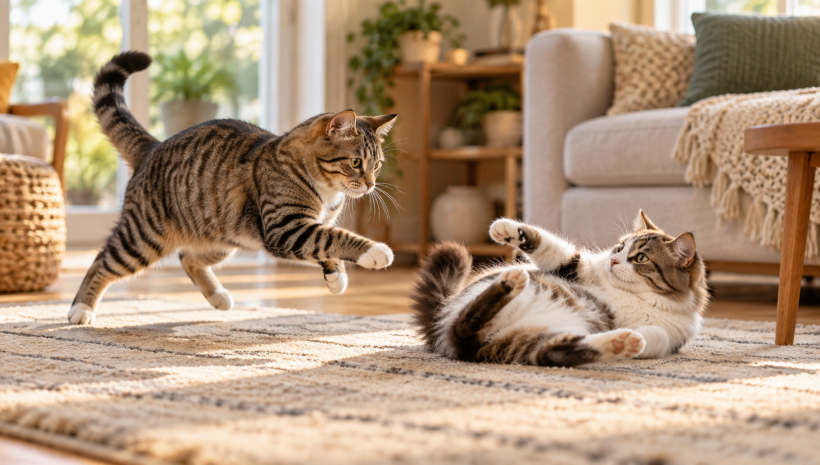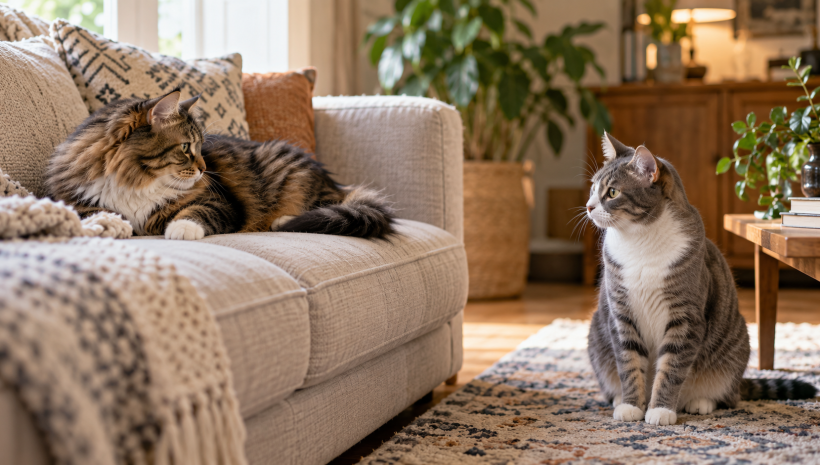

Cats communicate primarily through subtle physical signals across multiple body parts—including the tail, ears, eyes, whiskers, and posture—rather than relying solely on vocalizations Cats communicate primarily through subtle physical signals across multiple body parts (tail, ears, eyes, whiskers, and posture) rather than just vocalizations. While a meow or a purr easily catches our attention, a cat’s physical stance tells a much deeper story about how they feel in their environment. Interpreting feline body language requires evaluating the entire cat simultaneously along with the immediate environmental context Interpreting feline body language requires evaluating the entire cat simultaneously along with the immediate environmental context. By looking beyond a single twitching ear or swishing tail and observing the whole animal, you can better understand your cat’s emotional state and build a more respectful, communicative relationship.
Introduction: Reading the Whole Cat in Context
Understanding how to communicate with your cat is as straightforward as learning to read their body language Understanding how to communicate with your cat is as easy as learning to read cat body language. Cats are remarkably expressive creatures, but their signals are often quiet and multifaceted. Vocalizations form only a small part of feline communication, while ears, eyes, whiskers, paws, and tail tips provide crucial clues Vocalizations are just a small part of cat communication; ears, eyes, whiskers, toes, and tail tips give clues. When observing your cat, it is vital to read the whole animal at once—including the tail, ears, eyes, whiskers, and posture, alongside what is happening around them Read the whole cat at once (tail, ears, eyes, whiskers, and posture, plus what is happening around them).
Context is equally critical. Reading body language helps identify situations or environments that make a cat happy or cause fear Reading body language helps identify situations or environments that make a cat happy or cause fear. A posture that indicates relaxation in a familiar, sunlit room might mean something entirely different in a bustling hallway or at the veterinary clinic. Always consider everything going on around the cat, putting yourself in their paws regarding sights, sounds, and smells Consider everything going on around the cat, putting yourself in the cat’s paws regarding sights, sounds, and smells. Evaluating these elements together prevents misinterpretations and allows you to respond to your cat’s genuine needs with empathy and care.
Tail Language: Clues to Mood and Confidence
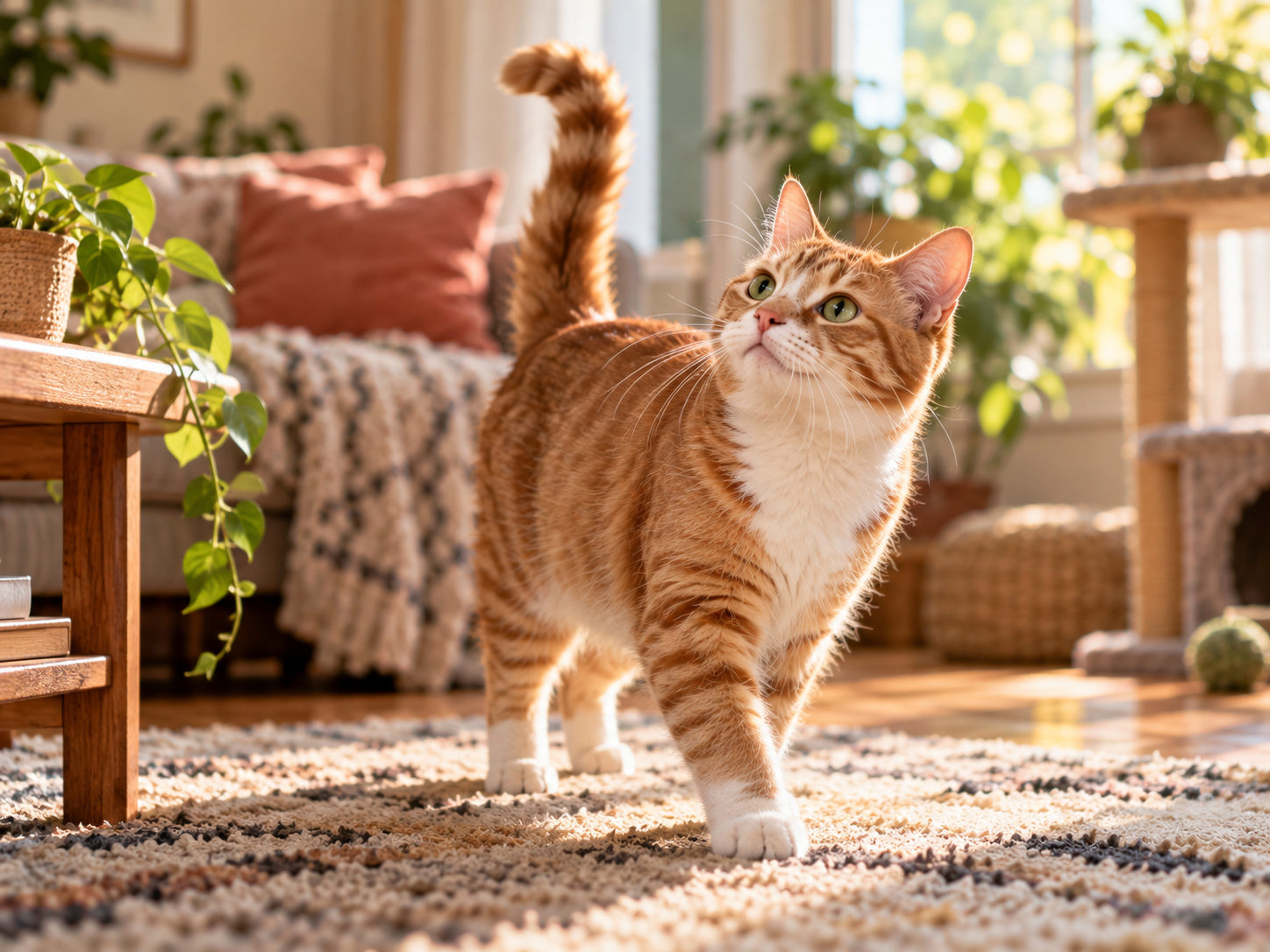
Tail position provides great insight into what a cat is feeling Tail position provides great insight into what a cat is feeling. Because the tail is flexible and highly mobile, it acts as an emotional barometer. Tail movements reveal a lot about moods Tail movements can reveal a lot about moods, ranging from serene contentment to acute defensiveness.
For instance, a vertical tail means all is well and the cat is investigating Tail vertically up means all is well and cat is investigating. When a cat walks toward you with their tail held high—often featuring a slight hook or question-mark bend at the tip—it generally signals confidence, happiness, and a welcoming attitude. It serves as an invitation to interact positively.
On the other hand, low, tucked tails, twitching tips, or rapid swishing usually indicate rising tension, irritation, or an impending desire to retreat. When evaluating the tail, always look at the speed and amplitude of the movement. A slow, gentle twitch might simply indicate focus on a toy or bird outside the window, while a hard, thumping lash against the floor serves as a clear warning sign to give the cat space.

Facial Signals: Ears, Eyes, and Whiskers
A cat’s face is a rich landscape of micro-expressions. Cats communicate effectively through subtle changes in posture, facial expressions, and tail movements Cats communicate effectively through subtle changes in posture, facial expressions, and tail movements, and the face holds some of the most telling indicators of emotional arousal.
Ears
Ear orientation shifts rapidly in response to environmental sounds and internal moods. Forward-facing ears generally signal a relaxed or curious cat who is engaged with their surroundings. When ears swivel backward, flatten sideways (often called “airplane ears”), or pin flat against the head, the cat may be experiencing defensive or offensive arousal, fear, or anger.
Eyes
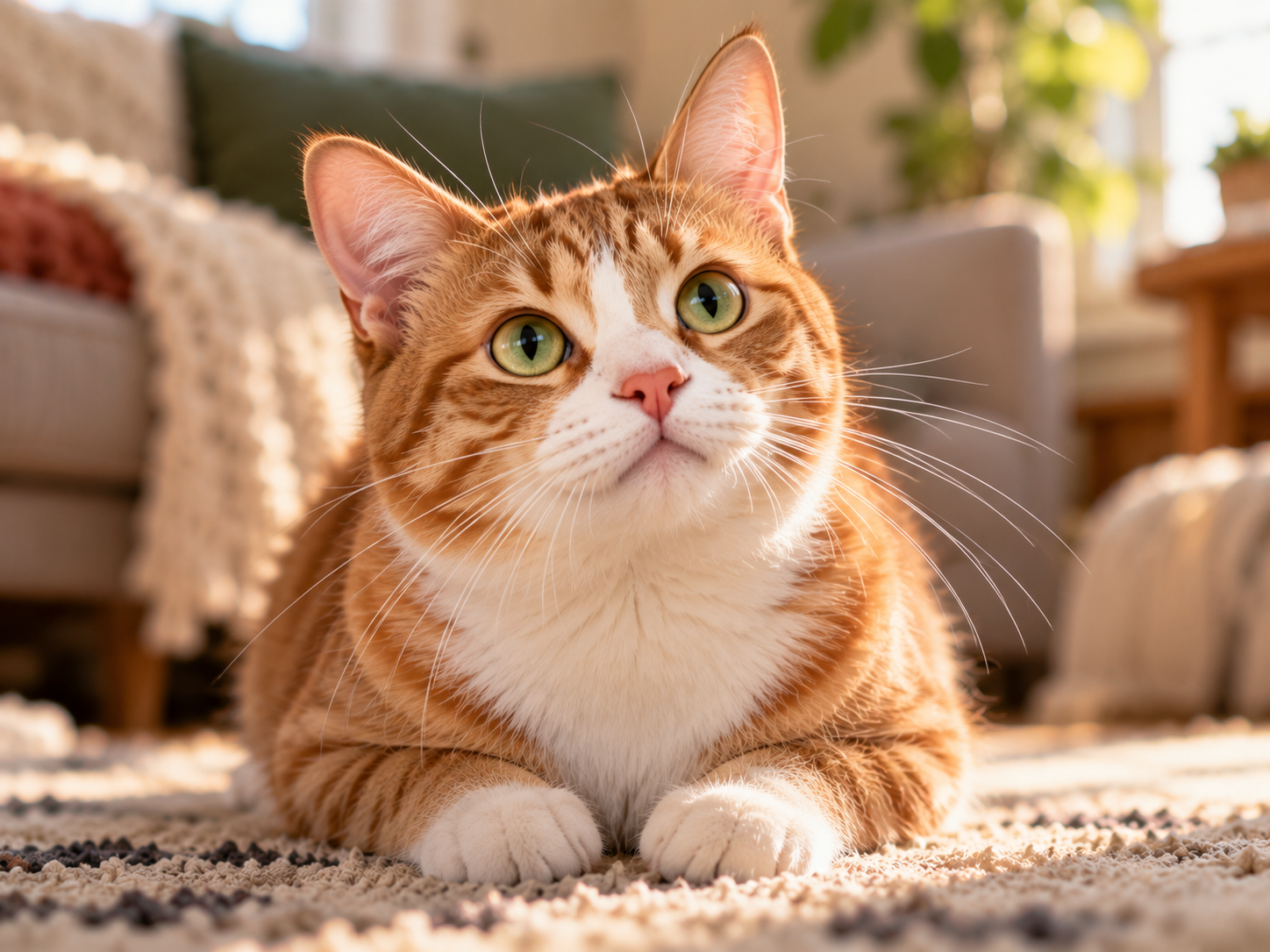
Eye shape and pupil dilation offer windows into a cat’s mental state. Soft, blinking eyes or half-closed “love blinks” convey trust and relaxation. Conversely, wide-open eyes with constricted or massively dilated pupils can indicate high excitement, fear, or predatory focus. It is important to remember that pupil size responds to light levels as well as emotion, so always factor ambient lighting into your observation.
Whiskers
Whiskers are sensitive tactile organs that also reflect mood. When a cat is relaxed, whiskers are loose and slightly fanned out to the sides. When a cat feels threatened or highly aroused, whiskers pull tightly back against the cheeks or flare forward to gauge space as they prepare for action.
Overall Posture and Environmental Context
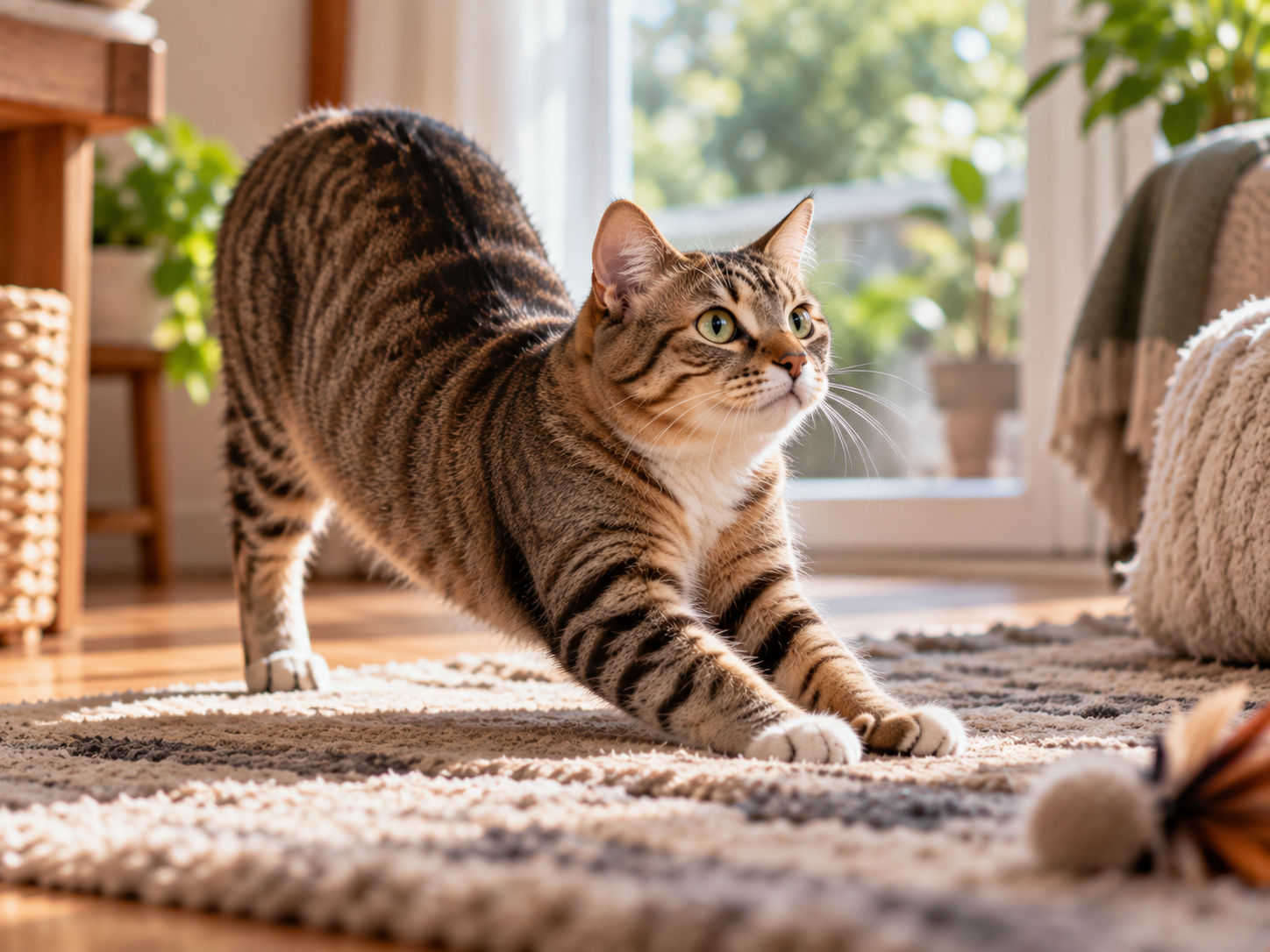
To fully understand what your cat is communicating, you must step back and examine their full-body stance. A relaxed cat keeps their body loose, elongated, and often resting comfortably on their side or back, exposing their vulnerable belly in secure environments. In contrast, a frightened or defensive cat compresses their body, tucks in their limbs, arches their back, or fluffs their fur to appear larger.
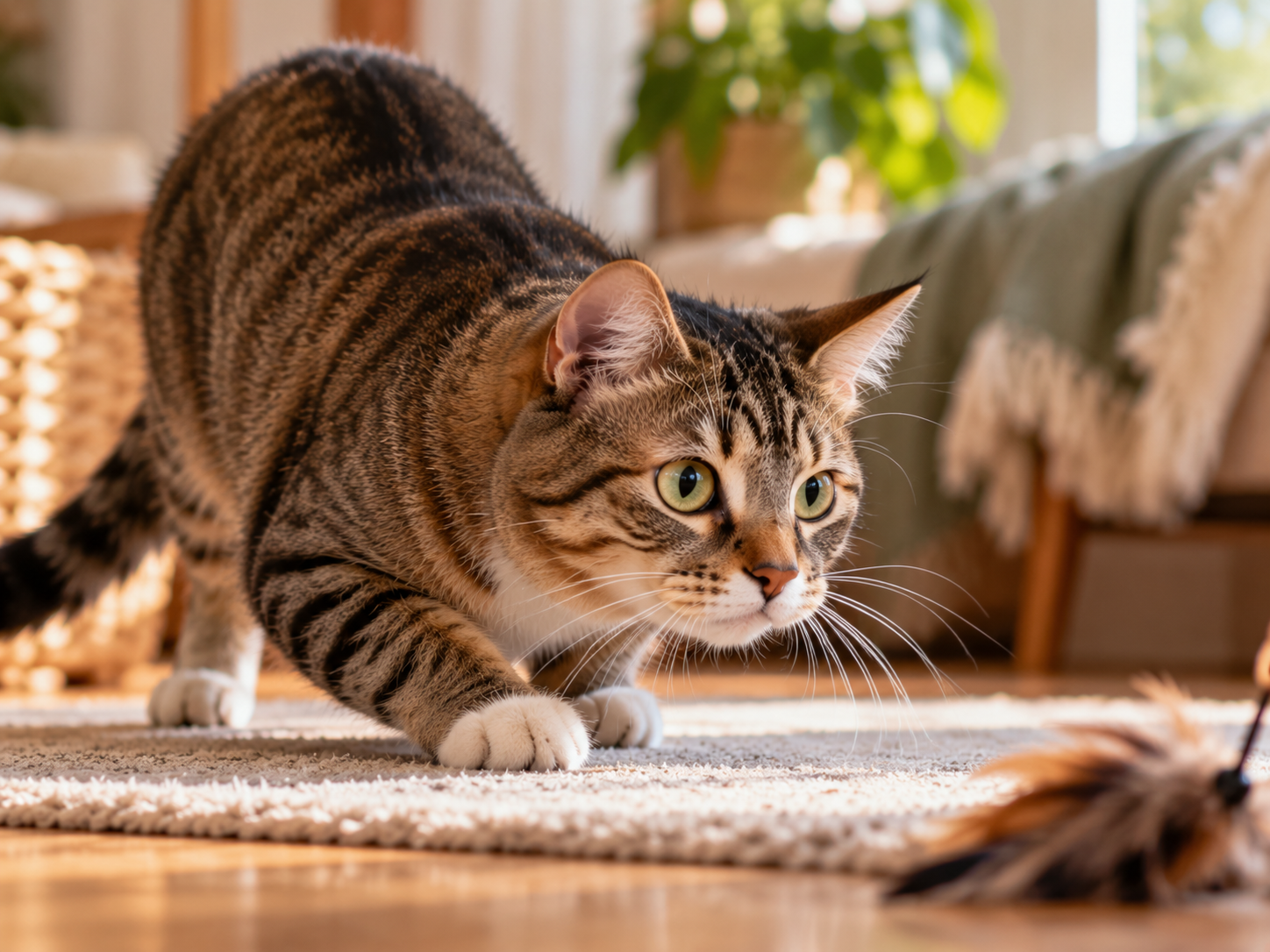
Evaluating the environmental context means asking what just occurred in the room. Did a loud noise happen? Is there an unfamiliar visitor at the door? Is another pet nearby? By connecting physical cues like flattened ears and a low posture with an environmental trigger such as a sudden vacuum cleaner noise, you can deduce that the cat is experiencing situational stress rather than unprovoked aggression. Respecting these physical boundaries allows you to create a predictable, safe sanctuary where your cat feels genuinely understood.
Frequently Asked Questions
What does a vertical tail mean in cats?
A vertical tail generally signals confidence, happiness, and a willingness to investigate or interact positively Tail vertically up means all is well and cat is investigating.
Why is it important to read multiple body parts at once?
Cats communicate through subtle physical signals across multiple anatomical features Cats communicate primarily through subtle physical signals across multiple body parts (tail, ears, eyes, whiskers, and posture) rather than just vocalizations. Relying on just one indicator can lead to misinterpretation, since emotional states involve the whole body.
How does the immediate environment affect a cat’s body language?
The surrounding sights, sounds, and smells directly influence how safe or stressed a cat feels Consider everything going on around the cat, putting yourself in the cat’s paws regarding sights, sounds, and smells. Evaluating context helps explain why a cat adopts a defensive or relaxed posture in a specific situation.