Cats are often viewed as fiercely independent and self-sufficient creatures, capable of navigating any environment with calm poise. Yet beneath that composed exterior, feline stress is surprisingly common. Just like humans, cats experience stress and anxiety from changes in their surroundings, routine disruptions, or unfamiliar stimuli PetGuide. Because cats are masters of disguise when hiding vulnerability, many subtle indicators of distress go completely unnoticed by well-managed owners The Cat Site.
Recognizing early warning signs helps keep cats comfortable and secure, preventing minor discomfort from escalating into severe behavioral challenges or medical complications PetGuide. Understanding these micro-signals allows you to respond with empathy and practical adjustments. When you look closely at your cat’s daily life, observing subtle changes in body language and habits is the most effective way to intercept mounting tension before it turns into chronic anxiety or illness.
Introduction: The Hidden Language of Feline Stress
In the wild, showing vulnerability or weakness can put an animal at risk. Domestic cats retain this evolutionary instinct, frequently masking pain, fear, and anxiety until it becomes difficult to conceal. A cat experiencing chronic or acute stress may not yowl or cower overtly; instead, they display subtle shifts in posture, daily habits, and interactions with household members.
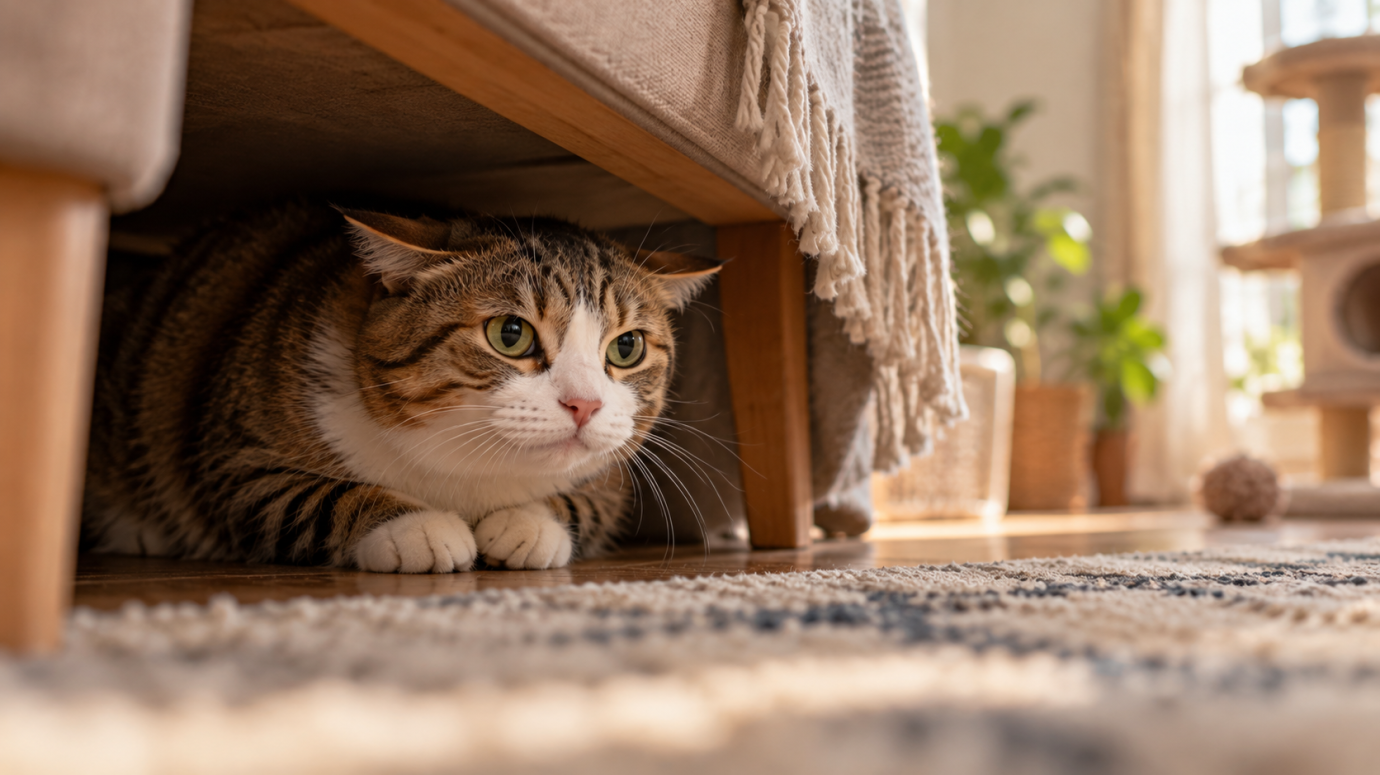
Cats often mask vulnerability and stress, making behavioral shifts like increased hiding under beds or avoidance of touch easy to miss The Cat Site. Paying close attention to these quiet changes is essential for maintaining your cat’s overall well-being. Understanding this hidden language requires shifting your focus away from overt vocalizations and toward minute details in daily posture, movement, and spatial choices.
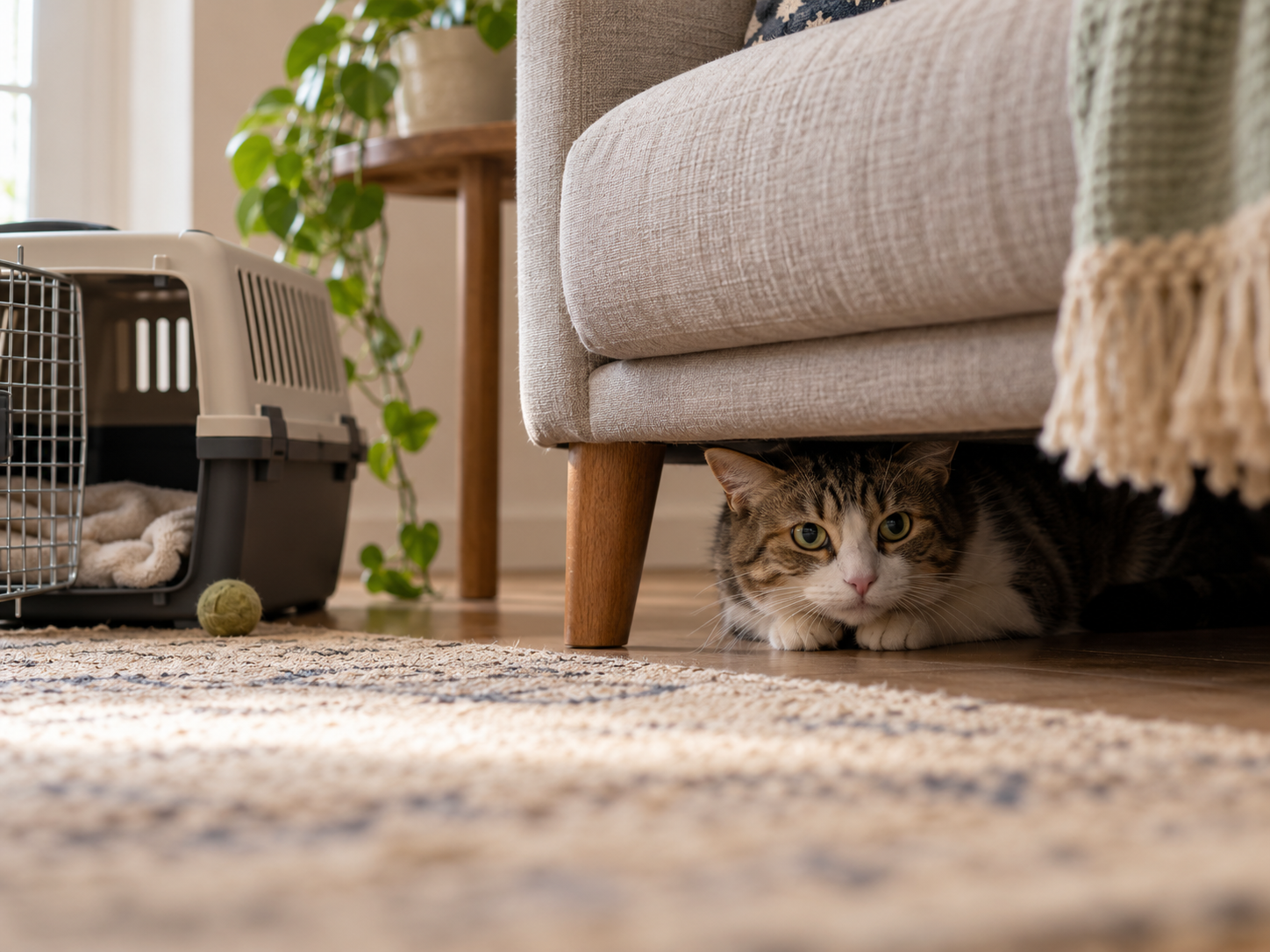
When environmental pressures accumulate—such as construction noise, new human schedules, or tension with other pets—a cat’s coping mechanisms are tested. Recognizing these early signs ensures you can intervene constructively. By evaluating your cat’s environment and daily responses, you can uncover hidden stressors that might otherwise remain invisible until health or behavior suffers significantly.
1. Flattened Ears: Reading Mood and Distress
Feline ears are expressive communication tools. While a relaxed cat keeps ears facing forward or slightly outward, stressed or defensive cats alter their ear positions rapidly.
Flattening ears is a subtle sign of feline distress and an important indicator of mood and fear or aggression Cuteness. When a cat pins ears backward or swivels them sideways into what are often called ‘airplane ears,’ they are usually reacting to a perceived threat, loud noises, or unwanted handling. Many cat parents miss this subtle form of communication, writing it off as a fleeting quirk rather than an active warning that the cat feels overwhelmed or unsafe Cuteness.
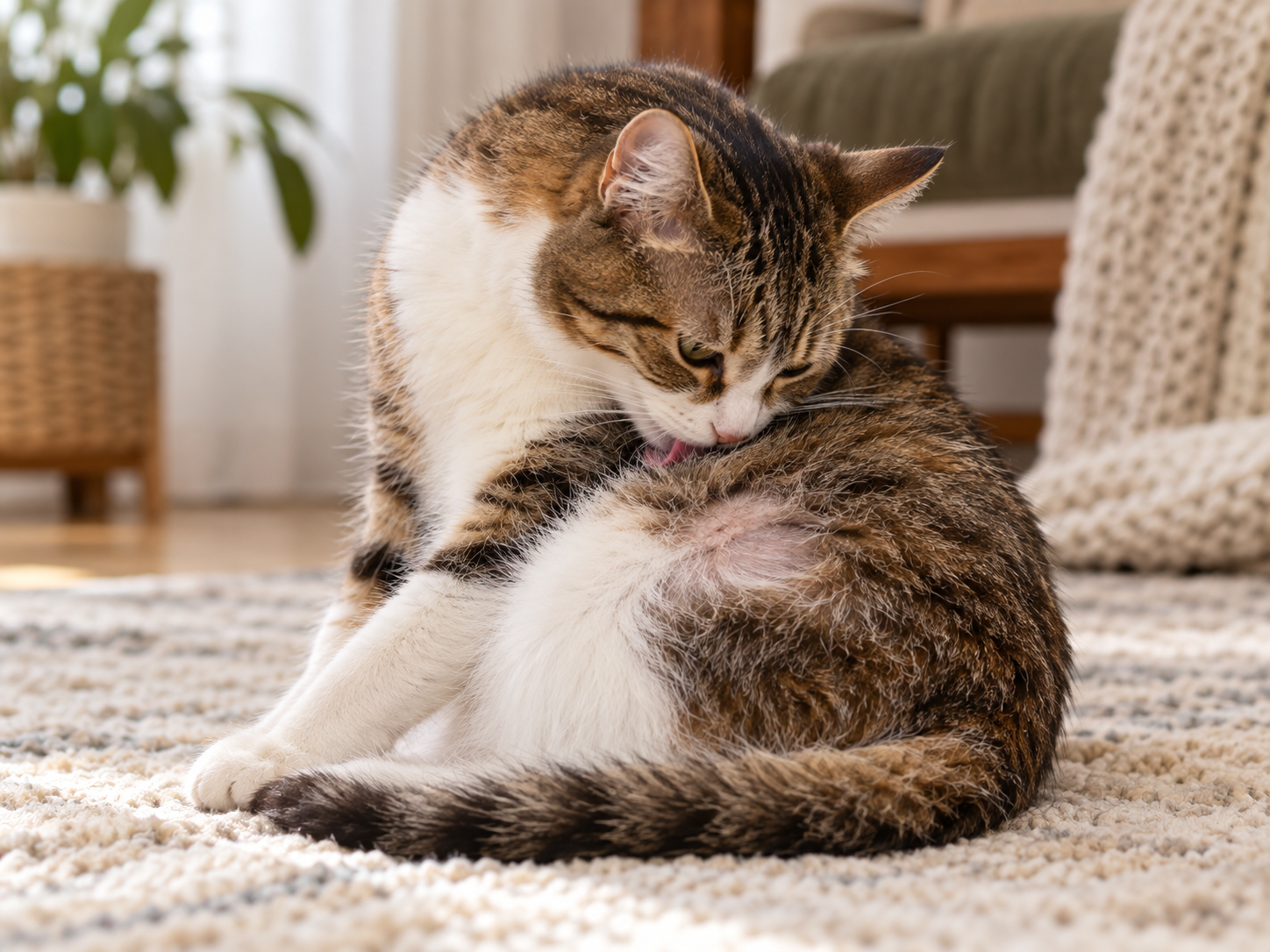
Observing ear position requires close daily attention during interactions, grooming, or environmental changes. If you notice your cat flattening or swiveling their ears during routine petting or when strangers visit, treat this posture as a clear cue to pause, step back, and give the animal space. Respecting these micro-signals prevents escalation, helping your cat feel safe and understood in their own home environment.
2. Overgrooming: When Comfort Licking Becomes a Warning
Grooming is a normal part of feline hygiene and self-soothing. However, when stress levels rise, some cats turn to compulsive licking or chewing on their fur to release endorphins and cope with anxiety.
Excessive grooming resulting in bald or raw patches is a strong behavioral indicator of feline distress WackoJaco. You might notice your cat repeatedly focusing on the belly, inner thighs, or base of the tail, leaving thinning fur or irritated skin. Because this behavior often happens when owners are asleep or away, it can progress significantly before being detected. If you observe excessive licking, consult a veterinarian to rule out medical causes like allergies or parasites before addressing potential environmental stressors.
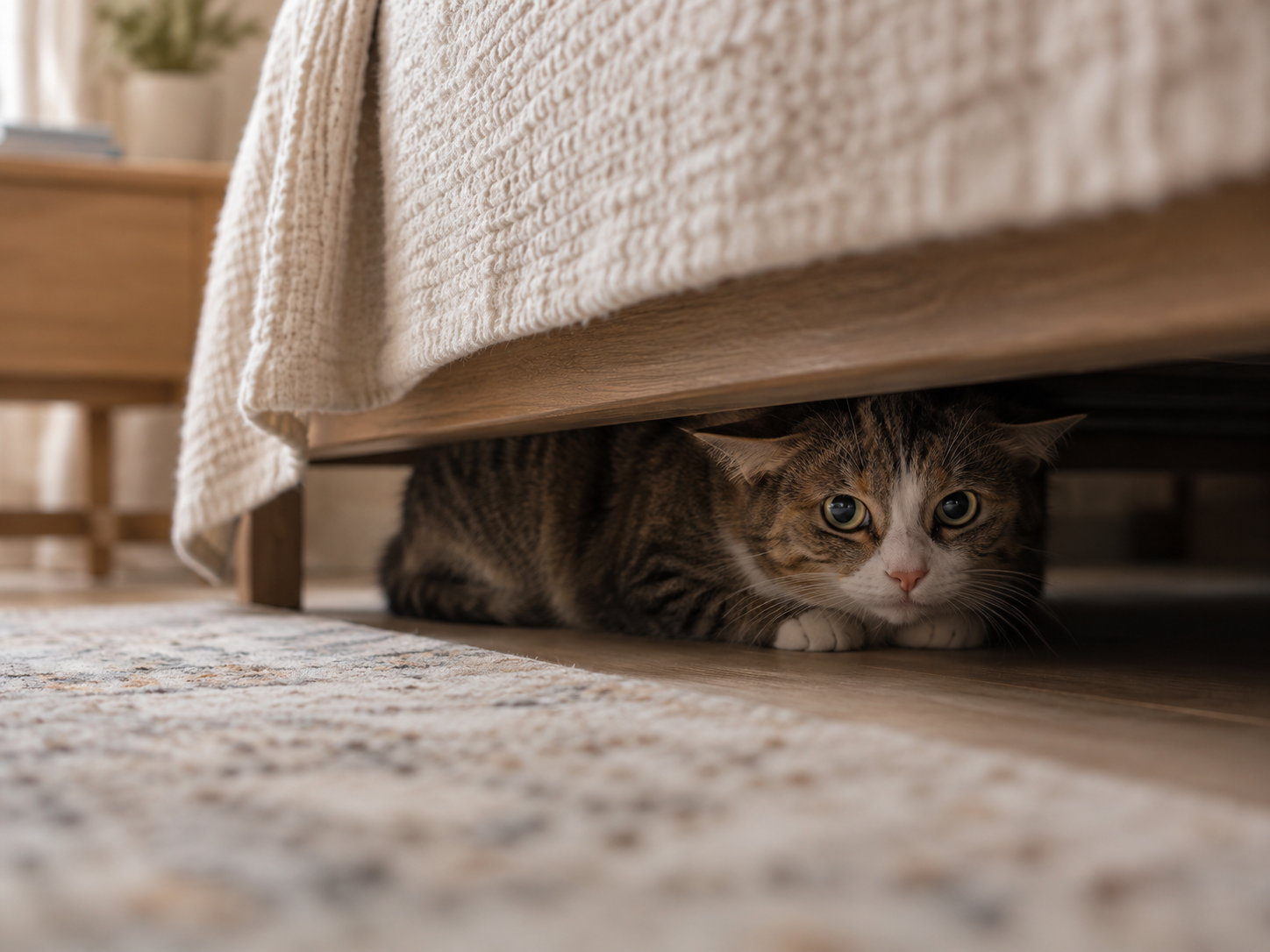
Monitoring your cat’s coat condition regularly helps catch grooming changes early. When a cat licks themselves raw, it indicates that internal tension has crossed the threshold into physical self-soothing. Addressing both the underlying emotional triggers and any physical discomfort under veterinary guidance ensures a comprehensive recovery plan for your pet.
3. Hiding and Avoidance: Escaping the Environment
Every cat enjoys a quiet nap in a cozy nook, but a sudden or dramatic increase in seclusion often signals underlying anxiety.
Cats often mask vulnerability and stress, making behavioral shifts like increased hiding under beds or avoidance of touch easy to miss The Cat Site. Spending hours under the bed, retreating to high closets, or pulling away from regular petting sessions can indicate stress rather than just an off day The Cat Site. If your cat begins avoiding human contact or fleeing when you enter the room, take time to evaluate recent changes in the home, such as new furniture, visitors, or schedule shifts.
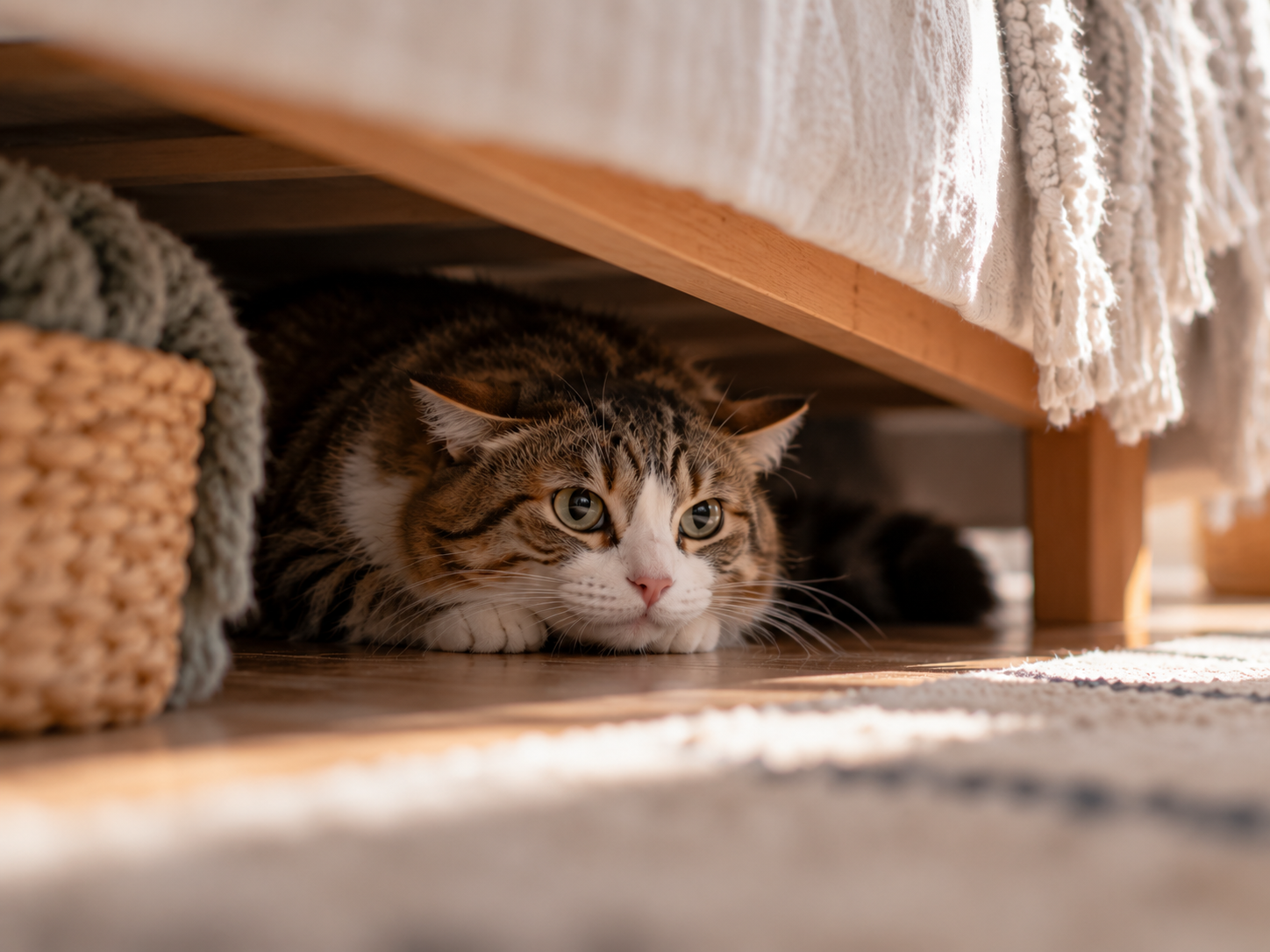
Distinguishing between normal resting habits and stress-induced hiding involves tracking duration and social withdrawal. If a cat that usually greets you at the door begins vanishing for extended periods or flinching from gentle affection, it is time to assess their environmental security. Providing secure, elevated perches and quiet, untouched retreat spaces allows cats to regulate their comfort levels without feeling cornered or forced into unwanted interactions.
4. Routine Changes and Elimination Shifts
Cats thrive on predictability and consistency. When their daily routine is upended, or when emotional tension in the household rises, their elimination habits can change dramatically.
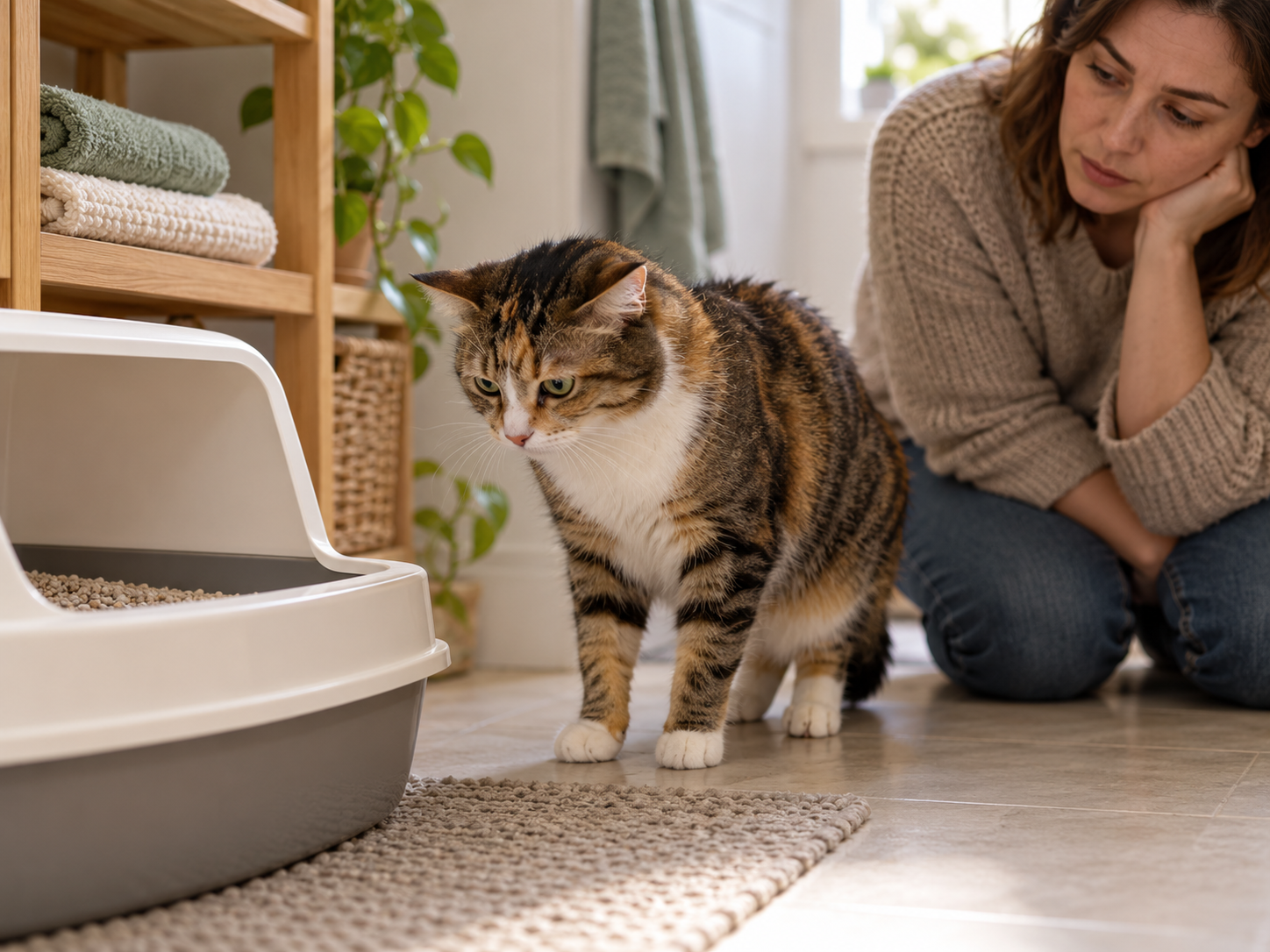
Litter box changes, such as urinating outside the box, can signal underlying stress or medical concerns WackoJaco. Urinating or defecating on carpets, clothing, or furniture is frequently an attempt to communicate distress or mark territory when the cat feels insecure WackoJaco. Always treat litter box avoidance as both a potential medical concern—such as a urinary tract infection—and a sign of emotional stress.
Investigating elimination shifts requires immediate veterinary consultation to rule out painful medical conditions, followed by a careful review of box cleanliness, litter type, box placement, and household multi-cat dynamics. Maintaining predictable feeding and play schedules alongside pristine litter box maintenance provides the structural consistency necessary to restore your cat’s confidence and security.
Conclusion: Supporting Your Cat Through Stress
Identifying feline stress requires patience, keen observation, and a willingness to look beyond the surface. Whether it is noticing airplane ears, monitoring excessive grooming, respecting increased hiding behavior, or investigating sudden elimination changes, tuning into these subtle cues deepens your bond with your feline companion.
Flattening ears is a subtle sign of feline distress and an important indicator of mood and fear or aggression Cuteness. Whenever behavioral shifts persist or worsen, schedule a veterinary visit to ensure your cat is healthy, comfortable, and receiving the appropriate support for a calm, balanced life. By staying vigilant and responsive to these quiet signals, you create a nurturing environment where your cat can thrive with absolute peace of mind.